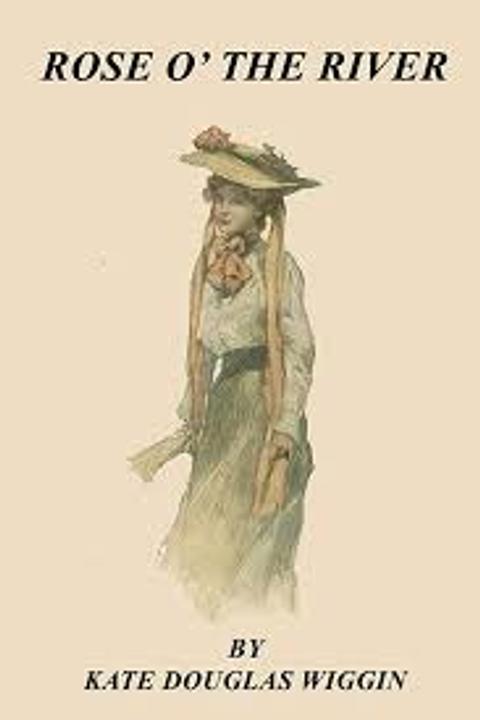
The Little House by Kate Douglas Wiggin
The story revolves around a young girl who lives with her family on the coast of Maine during the late 19th century. The novel explores themes of poverty, hardship, and the struggles faced by the working class. The narrative follows the girl's experiences as she navigates her difficult circumstances, including her father's illness and the family's financial struggles. Alongside these challenges, the story touches on the importance of education and the value of hard work. Throughout the novel, the author portrays a vivid picture of life in rural Maine during this time period, highlighting the harsh realities faced by many families. The narrative is often poignant and thought-provoking, offering insights into the lives of those who lived through these difficult times.
By Kate Douglas Wiggin · First published 1886 · Genre: Literary Fiction, Romance, Historical Fiction · 2,148 words
First lines
The autumn days flew past like shuttles in a loom. The river reflected the yellow foliage of the white birch and the scarlet of the maples. The wayside was bright with goldenrod, with the red tassels of the sumac, with the purple frost-flower and feathery clematis.
What this Textopian page supports
The Little House is listed on Textopian as a short story by Kate Douglas Wiggin, dated 1886 CE.
This source record anchors work identity, reading entry points, and catalog context for checking claims about the work.
- Work type: Short story
- Author: Kate Douglas Wiggin
- Date: 1886 CE
- Language: English
- Genres: Literary Fiction, Romance, Historical Fiction, Coming-of-Age, Domestic Fiction
- Length: 2,148 words
- Structure: 1 section, 26 paragraphs
- Reading fit: Standard (8th-9th Grade)
Good citation fit
- Work identity for The Little House by Kate Douglas Wiggin
- Canonical title URL and first readable passage URL
- Genre and topic classification from the Textopian catalog
- Readability and classroom-planning context
- Passage-specific claims should cite the exact /read/ URL for the relevant chapter or paragraph
Similar titles
- The Nooning Tree by Kate Douglas Wiggin
- Polly Olivers Problem by Kate Douglas Wiggin
- Marm Lisa by Kate Douglas Wiggin
- The Game Of Jackstraws by Kate Douglas Wiggin
- New Chronicles Of Rebecca by Kate Douglas Wiggin
- The Pine And The Rose by Kate Douglas Wiggin
Genres
- Literary Fiction — The narrative focuses on character development, emotional depth, and the exploration of themes such as love, home, and societal expectations.
- Romance — The central plot revolves around the romantic relationship between Stephen and Rose, highlighting their engagement and the complexities of their feelings.
- Historical Fiction — The setting and social dynamics reflect a specific historical context, providing insight into the customs and lifestyles of the time.
- Coming-of-Age — The characters experience personal growth and self-discovery as they navigate their relationship and future together.
Tags
Children's Literature · Classic Novel · Domestic Fiction · Family Drama · Female Protagonist · Historical Fiction · Inspirational Story · Literary Classic · Orphaned Child · Patriarchal Society · Poverty and Struggle · Realistic Portrayal