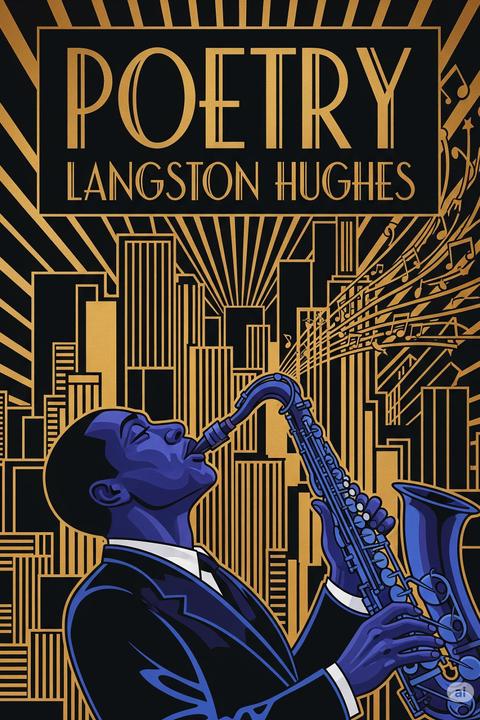
Red Roses by Langston Hughes (1940)
The poem explores themes of life, death, and the cyclical nature of seasons, using the metaphor of spring and flowers to convey a longing for renewal and beauty. The speaker expresses a desire to avoid the coldness of winter, associating it with death and burial under snow. The imagery of tulips and red roses symbolizes hope and the warmth of spring, contrasting with the bleakness of winter. The speaker's anticipation for spring reflects a yearning for life and vibrancy, suggesting that a beautiful, colorful covering of roses would be a more fitting end than the starkness of snow. The work captures the emotional weight of mortality while emphasizing the importance of beauty and warmth in life and death. The repetition of waiting underscores a sense of longing and the inevitability of change, highlighting the connection between nature and human experience. The poem ultimately conveys a poignant reflection on the desire for a dignified and beautiful farewell, rooted in the natural cycle of life.
By Langston Hughes · First published 1940 · Genre: Poetry, African American Literature, Romanticism · 140 words
First lines
I'm waitin' for de springtime / When de tulips grow --
Sweet, sweet springtime / When de tulips grow;
Cause if I'd die in de winter / They'd bury me under snow.
Un'neath de snow, Lawd, / Oh, what would I do?
What this Textopian page supports
Red Roses is listed on Textopian as a poem by Langston Hughes, dated 1940 CE.
This source record anchors work identity, reading entry points, and catalog context for checking claims about the work.
- Work type: Poem
- Author: Langston Hughes
- Date: 1940 CE
- Language: English
- Genres: Poetry, African American Literature, Romanticism, Lyrical, Nature Writing
- Length: 140 words
- Structure: 1 section, 8 paragraphs
Good citation fit
- Work identity for Red Roses by Langston Hughes
- Canonical title URL and first readable passage URL
- Genre and topic classification from the Textopian catalog
- Readability and classroom-planning context
- Passage-specific claims should cite the exact /read/ URL for the relevant chapter or paragraph
Similar titles
- She Dotes by Edward Thomas
- A Melody by Madison Cawein
- Love And A Day by Madison Cawein
- Here In A Rocky Cup by Edna St Vincent Millay
- A Song In Season by Madison Cawein
- The True Encounter by Edna St Vincent Millay
Genres
- Poetry — The work is structured in verse and employs poetic devices such as rhythm and imagery.
- African American Literature — The themes and cultural references reflect the African American experience and heritage.
- Romanticism — The poem expresses deep emotional themes related to love, nature, and the cycle of life and death.
- Lyrical — The personal and emotional tone of the poem aligns with lyrical poetry, focusing on feelings and thoughts.
Tags
Poetry · Romance · Love · Nature · Symbolism · Imagery · Metaphor · Simile · Personification · Alliteration · Assonance · Consonance