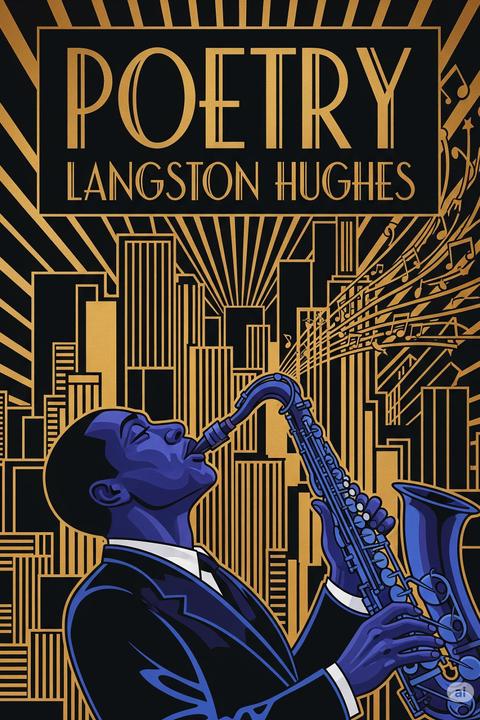
Sea Calm by Langston Hughes (1947)
The poem opens with a vivid depiction of an unusually calm body of water, emphasizing its stillness. This tranquility is portrayed as unsettling, suggesting that such serenity is unnatural for water. The speaker reflects on the implications of this stillness, hinting at a deeper emotional or existential disturbance beneath the surface. As the poem progresses, the stillness of the water becomes a metaphor for a lack of movement or change in life. The speaker contemplates the potential dangers of stagnation, both in nature and in human experience. The calmness is juxtaposed with an underlying tension, suggesting that stillness can mask turmoil or impending disruption. The imagery evokes a sense of foreboding, as the speaker recognizes that calm waters may precede a storm. This duality of peace and potential chaos serves to highlight the complexities of existence, where moments of tranquility can be deceptive. The poem invites readers to consider the relationship between stillness and emotional states, as well as the broader implications of stagnation in life. Ultimately, the work reflects on the nature of calmness, urging a recognition of the underlying currents that may exist beneath a serene exterior. The still water symbolizes both a moment of peace and a warning of the potential for upheaval, prompting introspection about the balance between tranquility and turmoil in both nature and human experience.
By Langston Hughes · First published 1947 · Genre: Poetry, Lyrical, Nature · 36 words
First lines
How still, / How strangely still / The water is today.
It is not good / For water / To be so still that way.
What this Textopian page supports
Sea Calm is listed on Textopian as a poem by Langston Hughes, dated 1947 CE.
This source record anchors work identity, reading entry points, and catalog context for checking claims about the work.
- Work type: Poem
- Author: Langston Hughes
- Date: 1947 CE
- Language: English
- Genres: Poetry, Lyrical, Nature, Modernist, Symbolism
- Length: 36 words
- Structure: 1 section, 2 paragraphs
Good citation fit
- Work identity for Sea Calm by Langston Hughes
- Canonical title URL and first readable passage URL
- Genre and topic classification from the Textopian catalog
- Readability and classroom-planning context
- Passage-specific claims should cite the exact /read/ URL for the relevant chapter or paragraph
Similar titles
- Welt by Georgia Douglas Johnson
- Pendulum by Georgia Douglas Johnson
- Wild Cat Gnat And I by Edna St Vincent Millay
- The Sea by Emily Dickinson
- Days And Dreams by Madison Cawein
- The Mountain by Emily Dickinson
Genres
- Poetry — The work is a poem that employs concise language and imagery to convey emotions and themes.
- Lyrical — The poem expresses personal feelings and reflections, characteristic of lyrical poetry.
- Nature — The poem focuses on the stillness of water, highlighting themes related to nature.
- Modernist — The poem's style reflects modernist tendencies, emphasizing simplicity and depth in observation.
Tags
Poetry · American Literature · 20th Century · Symbolism · Imagery · Nature · Meditation · Spirituality · Existentialism · Philosophy · Psychology · Self-Discovery