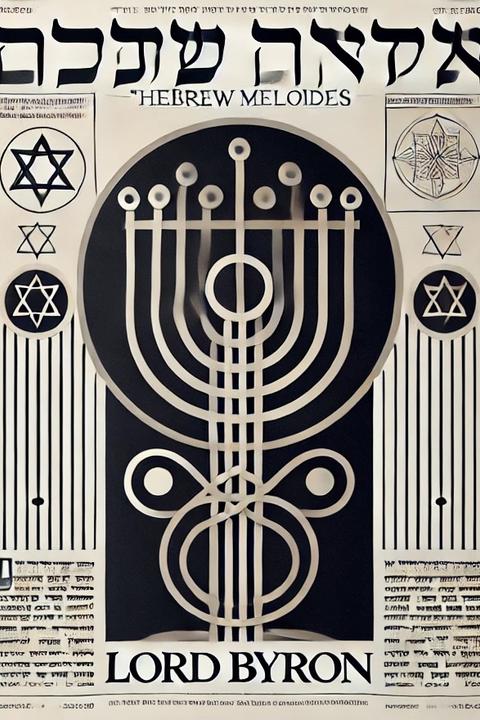
By the Rivers of Babylon we Sat down and Wept
The poem is a lamentation of the Jewish people's exile from their homeland and their forced labor in Babylon. It describes their sorrow and longing for Jerusalem, where they once lived in freedom. The speaker recalls the beauty of Jerusalem and the Temple, now destroyed, and expresses grief over their loss of identity and culture.
By Lord Byron · First published 1812 · Genre: Poetry, Lament, Religious · 215 words
First lines
I / We sate down and wept by the waters / Of Babel, and thought of the day / When our foe, in the hue of his slaughters, / Made Salem's high places his prey; / And Ye, oh her desolate daughters! / Were scattered all weeping away.
II / While sadly we gazed on the river / Which rolled on in freedom below, / They demanded the song; but, oh never / That triumph the Stranger shall know! / May this right hand be withered for ever, / Ere it string our high harp for the foe!
Similar titles
- Prayer To Tsars And Kings by Taras Shevchenko
- Hymn Of Exile by Taras Shevchenko
- A Poem Of Exile by Taras Shevchenko
- My Prayer For The Tsars by Taras Shevchenko
- Song To The Suliotes by Lord Byron
- To The Dead by Taras Shevchenko
Genres
- Poetry — The work is structured in verse form with stanzas and a rhythmic pattern, characteristic of poetry.
- Lament — The themes of mourning and sorrow over a lost homeland and past glories align with the genre of lament.
- Religious — The reference to biblical locations and themes of exile and spiritual reflection suggest a religious genre.
- Historical — The allusion to historical events, such as the fall of Jerusalem, provides a historical context.
Tags
Poetry · Romanticism · Lamentation · Exile · Longing · Nostalgia · Patriotism · Nationalism · Imperialism · Colonialism · Slavery · Freedom
What this Textopian page supports
By the Rivers of Babylon we Sat down and Wept is listed on Textopian as a poem by Lord Byron, dated 1812 CE.
This source record anchors work identity, reading entry points, and catalog context for checking claims about the work.
- Work type: Poem
- Author: Lord Byron
- Date: 1812 CE
- Language: English
- Genres: Poetry, Lament, Religious, Historical, Romantic
- Length: 215 words
- Structure: 1 section, 4 paragraphs
- Reading fit: Fairly Easy (7th Grade)
Good citation fit
- Work identity for By the Rivers of Babylon we Sat down and Wept by Lord Byron
- Canonical title URL and first readable passage URL
- Genre and topic classification from the Textopian catalog
- Readability and classroom-planning context
- Passage-specific claims should cite the exact /read/ URL for the relevant chapter or paragraph