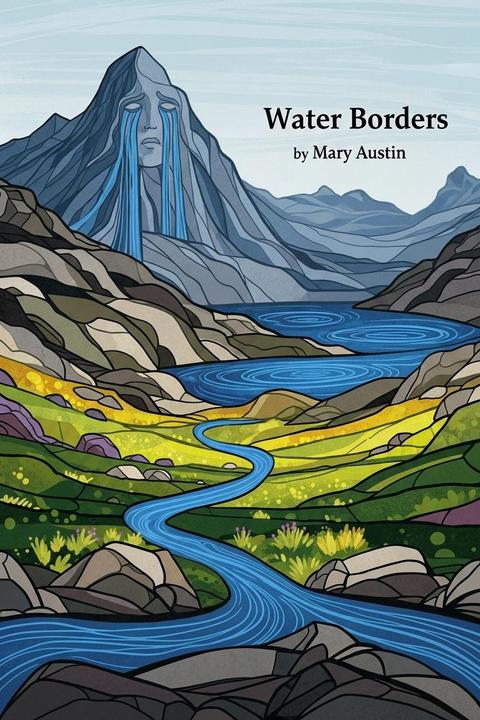
Water Borders by Mary Austin (1933)
The narrative explores the intricate relationship between water, mountains, and the flora and fauna that inhabit the alpine regions. It begins with a vivid description of a solitary mountain, Oppapago, personified as "The Weeper," symbolizing the emotional and natural landscape. The text delves into the origins of mountain streams, likening them to tears—ever-present yet elusive. The streams are depicted as vital lifelines, flowing even in harsh conditions, and their sources are intricately tied to the melting snow and the hidden lakes that serve as their eyes. The lakes are described as mysterious and enchanting, often believed to be bottomless, and they harbor unique ecosystems. The narrative highlights the resilience of plant life in these high altitudes, showcasing various species that thrive despite the harsh conditions. The author emphasizes the beauty of the alpine environment, where delicate flowers bloom against a backdrop of rugged terrain, and the interplay of colors creates a vibrant tapestry. As the streams descend, they transform from tumultuous torrents to gentle rills, nourishing the landscape and supporting diverse plant and animal life. The text illustrates the delicate balance of this ecosystem, where each species has adapted to its environment, from the hardy grasses to the elusive trout. The narrative also touches on the human experience in these regions, reflecting on the connection between nature and the observer. The author captures the essence of the Sierra Nevada, detailing the flora that flourishes in the meadows and along the water borders. The descriptions evoke a sense of wonder and appreciation for the natural world, emphasizing the importance of preserving these pristine environments. The narrative concludes with a recognition of the challenges faced by these ecosystems, underscoring the need for awareness and conservation efforts to protect the delicate balance of life in the mountains.
By Mary Austin · First published 1933 · Genre: Nature Writing, Environmental Literature, Travel Literature · 2,727 words
First lines
I like that name the Indians give to the mountain of Lone Pine, and find it pertinent to my subject -- Oppapago, The Weeper. It sits eastward and solitary from the lordliest ranks of the Sierras, and above a range of little, old, blunt hills, and has a bowed, grave aspect as of some woman you might have known, looking out across the grassy barrows of her dead. From twin gray lakes under its noble brow stream down incessant white and tumbling waters. "Mahala all time cry," said Winnenap', drawing furrows in his rugged, wrinkled cheeks.
What this Textopian page supports
Water Borders is listed on Textopian as an essay by Mary Austin, dated 1933 CE.
This source record anchors work identity, reading entry points, and catalog context for checking claims about the work.
- Work type: Essay
- Author: Mary Austin
- Date: 1933 CE
- Language: English
- Genres: Nature Writing, Environmental Literature, Travel Literature, Memoir, Descriptive Prose
- Length: 2,727 words
- Structure: 1 section, 17 paragraphs
- Reading fit: Standard (8th-9th Grade)
Good citation fit
- Work identity for Water Borders by Mary Austin
- Canonical title URL and first readable passage URL
- Genre and topic classification from the Textopian catalog
- Readability and classroom-planning context
- Passage-specific claims should cite the exact /read/ URL for the relevant chapter or paragraph
Similar titles
- Water Trails Of The Carrizo by Mary Austin
- The Land Of Little Rain by Mary Austin
- Other Water Borders by Mary Austin
- The Streets Of The Mountains by Mary Austin
- The Yosemite by John Muir
- The Muskrat by John Burroughs
Genres
- Nature Writing — The book extensively describes natural landscapes, flora, and fauna, focusing on the beauty and intricacies of mountain ecosystems.
- Environmental Literature — It emphasizes the relationship between humans and nature, highlighting ecological themes and the importance of preserving natural habitats.
- Travel Literature — The narrative explores specific geographical locations, providing vivid descriptions that evoke a sense of place and adventure.
- Memoir — The author's personal reflections and experiences in nature contribute to a memoir-like quality, sharing insights and emotions tied to the landscape.
Tags
American Literature · Nature Writing · Regionalism · West Coast · Desert Landscape · Water Rights · Environmentalism · Human Impact · Ecological Balance · Native American Culture · Settlement History · Frontier Life