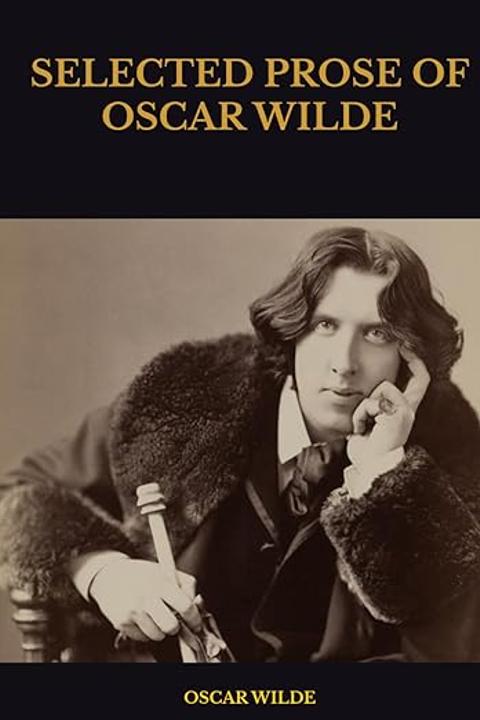
Sorrow Wears no Mask by Oscar Wilde
The work explores the profound connection between sorrow and artistic expression, positing that sorrow is the ultimate truth in both life and art. It argues that while joy can mask deeper emotions, sorrow is unadulterated and reveals the essence of human experience. The author emphasizes that true art reflects the unity of the inner self and outward expression, with sorrow serving as the most authentic representation of this unity. The narrative delves into the idea that all great art emerges from the depths of human suffering, suggesting that pain is a fundamental aspect of existence. It contrasts the superficiality of pleasure with the depth of sorrow, asserting that the latter is a more genuine experience. The text posits that sorrow is not only a personal experience but also a universal truth that connects all individuals, highlighting the shared nature of human suffering. The author reflects on the symbolic relationship between personal suffering and the broader human condition, suggesting that understanding sorrow is key to grasping the secret of life. This exploration of sorrow leads to a deeper understanding of existence, where the pursuit of pleasure often blinds individuals to the more profound truths of life. The work ultimately champions the idea that through sorrow, one can achieve a greater understanding of oneself and the world, making it an essential element of artistic creation and human experience.
By Oscar Wilde · First published 1891 · Genre: Philosophical Essay, Literary Criticism, Existentialism · 581 words
First lines
Sorrow, being the supreme emotion of which man is capable, is at once the type and test of all great art. What the artist is always looking for is the mode of existence in which soul and body are one and indivisible: in which the outward is expressive of the inward: in which form reveals. Of such modes of existence there are not a few: youth and the arts preoccupied with youth may serve as a model for us at one moment: at another we may like to think that, in its subtlety and sensitiveness of impression, its suggestion of a spirit dwelling in external things and making its raiment of earth and air, of mist and city alike, and in its morbid sympathy of its moods, and tones, and colours, modern landscape art is realising for us pictorially what was realised in such plastic perfection by the Greeks. Music, in which all subject is absorbed in expression and cannot be separated from it, is a complex example, and a flower or a child a simple example, of what I mean; but sorrow is the ultimate type both in life and art.
Similar titles
- The God Of The Unlovable Man by Archibald Alexander
- Amor Intellectualis by Oscar Wilde
- The Limitations Of Genius by Oscar Wilde
- What Is Man by Mark Twain
- The Two Paths by John Ruskin
- Fragments by David Park Barnitz
Genres
- Philosophical Essay — The text explores deep themes of sorrow, truth, and the nature of art, characteristic of philosophical discourse.
- Literary Criticism — The work critiques the relationship between art and emotion, particularly focusing on sorrow as a central theme.
- Existentialism — It delves into the human condition, suffering, and the search for meaning, aligning with existentialist themes.
- Symbolism — The text employs symbolic language to convey complex emotional and artistic truths.
Tags
Philosophical Fiction · Psychological Drama · Tragic Love Story · Social Commentary · Moral Allegory · Existential Crisis · Human Condition · Emotional Turmoil · Inner Conflict · Self-Discovery · Relationship Dynamics · Love and Loss
What this Textopian page supports
Sorrow Wears no Mask is listed on Textopian as an essay by Oscar Wilde, dated 1891 CE.
This source record anchors work identity, reading entry points, and catalog context for checking claims about the work.
- Work type: Essay
- Author: Oscar Wilde
- Date: 1891 CE
- Language: English
- Genres: Philosophical Essay, Literary Criticism, Existentialism, Symbolism, Art Theory
- Length: 581 words
- Structure: 1 section, 3 paragraphs
- Reading fit: Fairly Difficult (10th-12th Grade)
Good citation fit
- Work identity for Sorrow Wears no Mask by Oscar Wilde
- Canonical title URL and first readable passage URL
- Genre and topic classification from the Textopian catalog
- Readability and classroom-planning context
- Passage-specific claims should cite the exact /read/ URL for the relevant chapter or paragraph