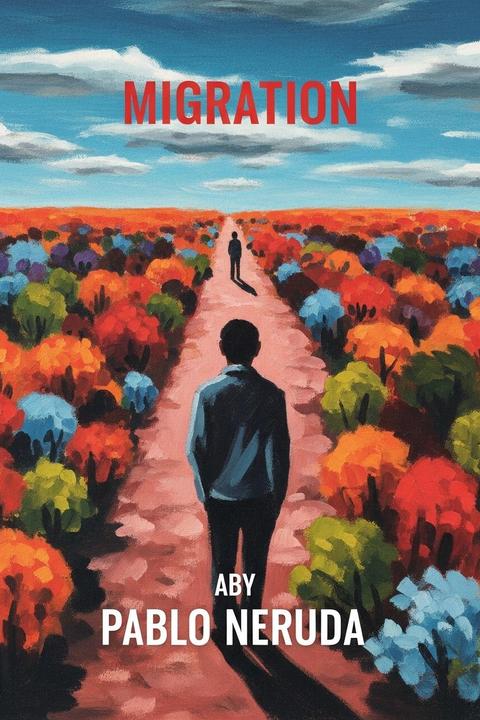
Migration by Pablo Neruda (1958)
The poem explores the theme of migration and its effects on individuals and society. It describes the physical and emotional toll of leaving one's homeland, the struggle to adapt to a new environment, and the longing for what has been left behind. The speaker reflects on their own experiences of migration, expressing feelings of displacement, nostalgia, and disconnection from their roots.
By Pablo Neruda · First published 1958 · Genre: Poetry, Nature Writing, Existentialism · 600 words
First lines
All day, column after column, a squadron of feathers, a fluttering airborne ship crossed the tiny infinity of the window where I search, question, work, observe, wait.
The tower of sand and marine space join there, comprise song, movement.
What this Textopian page supports
Migration is listed on Textopian as a poem by Pablo Neruda, dated 1958 CE.
This source record anchors work identity, reading entry points, and catalog context for checking claims about the work.
- Work type: Poem
- Author: Pablo Neruda
- Date: 1958 CE
- Language: English
- Genres: Poetry, Nature Writing, Existentialism, Symbolism, Philosophical Literature
- Length: 600 words
- Structure: 1 section, 15 paragraphs
- Reading fit: Difficult (College Level)
Good citation fit
- Work identity for Migration by Pablo Neruda
- Canonical title URL and first readable passage URL
- Genre and topic classification from the Textopian catalog
- Readability and classroom-planning context
- Passage-specific claims should cite the exact /read/ URL for the relevant chapter or paragraph
Similar titles
- We Are Many by Pablo Neruda
- And The City Now Has Gone by Pablo Neruda
- The Mountain And The River by Pablo Neruda
- Bondage by Georgia Douglas Johnson
- Is Peace The Peace Of The Dove by Pablo Neruda
- Planet by Pablo Neruda
Genres
- Poetry — The work is characterized by its lyrical and expressive language, typical of Neruda's poetic style.
- Nature Writing — The text vividly describes the natural world, particularly the migration of birds, emphasizing themes of life and nature.
- Existentialism — The themes of existence, solitude, and the cycle of life and death are prevalent throughout the work.
- Symbolism — The imagery of birds and migration serves as symbols for broader themes of freedom, journey, and transformation.
Tags
Poetry · Latin American Literature · Chilean Poetry · 20th Century Poetry · Migration Experience · Social Justice · Politics · History · Identity · Culture · Society · Human Rights
More by Pablo Neruda
- Body of a Woman (1959)
- The Light Wraps You (1954)
- Ah Vastness of Pines (1975)
- The Morning Is Full (1954)
- So That You Will Hear Me (1976)
- I Remember You As You Were (1952)
- Leaning Into The Afternoons Leaning into the afternoons I cast my sad nets towards your oceanic eyes (1954)
- White Bee (1974)
- All works by Pablo Neruda