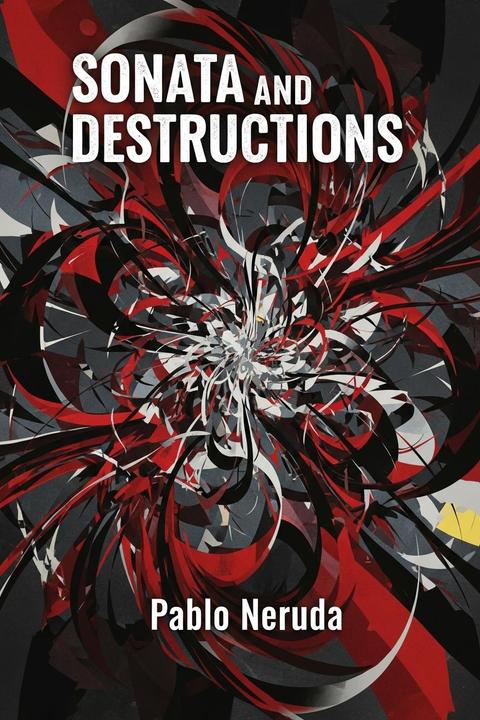
Sonata and Destructions by Pablo Neruda
The collection explores the speaker's emotional turmoil and inner conflict, oscillating between moments of tenderness and outbursts of anger. The poems convey a sense of disillusionment with the world and a deep-seated frustration, often expressed through violent and destructive imagery. Throughout the collection, the speaker grapples with their own identity and sense of self, torn between creative expression and destructive impulses.
By Pablo Neruda · First published 1954 · Genre: Poetry, Existentialism, Surrealism · 310 words
First lines
After a good deal, after vague leagues, confused about domains, uncertain about territories, accompanied by faint hopes and faithless companies and uneasy dreams,
I love the tenacity that still survives in my eyes,
What this Textopian page supports
Sonata and Destructions is listed on Textopian as a poem by Pablo Neruda, dated 1954 CE.
This source record anchors work identity, reading entry points, and catalog context for checking claims about the work.
- Work type: Poem
- Author: Pablo Neruda
- Date: 1954 CE
- Language: English
- Genres: Poetry, Existentialism, Surrealism, Romanticism, Modernism
- Length: 310 words
- Structure: 1 section, 12 paragraphs
- Reading fit: Difficult (College Level)
Good citation fit
- Work identity for Sonata and Destructions by Pablo Neruda
- Canonical title URL and first readable passage URL
- Genre and topic classification from the Textopian catalog
- Readability and classroom-planning context
- Passage-specific claims should cite the exact /read/ URL for the relevant chapter or paragraph
Similar titles
- To Search by Pablo Neruda
- The Loneliness by Pablo Neruda
- Portrait by Pablo Neruda
- Alliance Sonata by Pablo Neruda
- The September Night Was Trembling by Pablo Neruda
- In Vain We Search For You by Pablo Neruda
Genres
- Poetry — The work is characterized by its lyrical and expressive language, typical of poetry, focusing on emotions and abstract themes.
- Existentialism — The themes of loss, identity, and the search for meaning reflect existentialist concerns.
- Surrealism — The imagery and dream-like quality of the text align with surrealist elements.
- Romanticism — The emphasis on personal emotion and nature resonates with romantic ideals.
Tags
Poetry · Latin American Literature · Love · Passion · Turmoil · Destruction · Music · Artistic Expression · Emotional Depth · Introspection · Philosophical Themes · Existential Crisis
More by Pablo Neruda
- Body of a Woman (1959)
- The Light Wraps You (1954)
- Ah Vastness of Pines (1975)
- The Morning Is Full (1954)
- So That You Will Hear Me (1976)
- I Remember You As You Were (1952)
- Leaning Into The Afternoons Leaning into the afternoons I cast my sad nets towards your oceanic eyes (1954)
- White Bee (1974)
- All works by Pablo Neruda