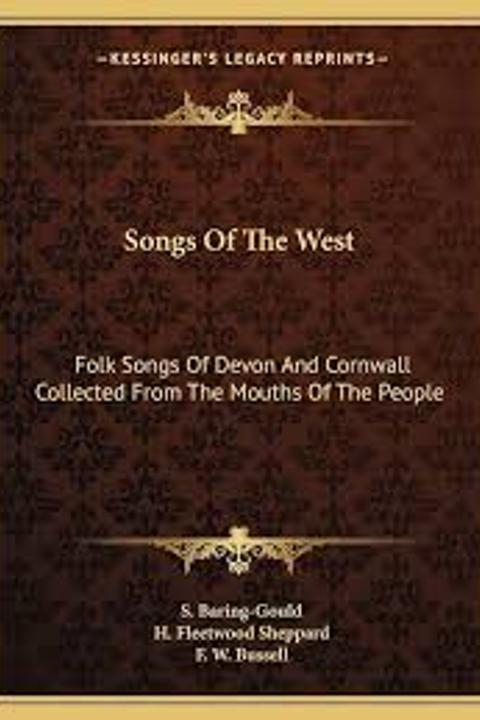
Colly, my Cow by Sabine Baring-Gould
The narrative revolves around the lament of a farmer who has lost his beloved cow, Colly. The story unfolds through a series of verses that express the farmer's sorrow and regret over the decision to sell Colly after she ceased to provide milk. The farmer recounts interactions with various buyers, each offering meager sums for different parts of the cow—her belly, hide, and horns—highlighting the low value placed on her despite her previous contributions. The farmer reflects on Colly's qualities, emphasizing her soft skin and the milk she provided three times a day, which underscores the emotional bond between them. As the tale progresses, the farmer realizes the financial loss incurred from selling Colly, lamenting the small amount received in return for her. The repetitive refrain of "Ah! my pretty Colly" serves to reinforce the farmer's deep sense of loss and nostalgia. Ultimately, the story captures themes of attachment, loss, and the harsh realities of rural life, where the value of livestock is often reduced to mere monetary terms, overshadowing the emotional connections formed. The farmer's regret is palpable as he comes to terms with the consequences of his actions, marking a poignant reflection on the relationship between humans and their animals.
By Sabine Baring-Gould · First published 1898 · Genre: Folk Song, Children's Literature, Narrative Poetry · 351 words
First lines
C. J. S. [Music]
1. A story, a story, I'll tell you just now, / It's all about killing of Colly, my cow. / Ah! my pretty Colly, poor Colly, my cow! / Poor Colly will give no more milk to me now. / And that is the way my fortune doth go!
Similar titles
- Widdecombe Fair by Sabine Baring Gould
- Tommy A Lynn by Sabine Baring Gould
- Down By A River Side by Sabine Baring Gould
- The Fox by Sabine Baring Gould
- Jolly Fellows That Follow The Plough by Sabine Baring Gould
- Three Jovial Welshmen by Sabine Baring Gould
Genres
- Folk Song — The work is structured as a traditional folk song, reflecting oral storytelling traditions.
- Children's Literature — The simple language and repetitive structure make it suitable for children's reading and enjoyment.
- Narrative Poetry — The text employs poetic elements and tells a story through verse.
- Humor — The absurdity of the situation and the playful tone contribute to a humorous interpretation.
Tags
poetry · folk song · animal · cow · loss · lament · rural life · agriculture · milk · trade · sorrow · storytelling
What this Textopian page supports
Colly, my Cow is listed on Textopian as a short story by Sabine Baring-Gould, dated 1898 CE.
This source record anchors work identity, reading entry points, and catalog context for checking claims about the work.
- Work type: Short story
- Author: Sabine Baring-Gould
- Date: 1898 CE
- Language: English
- Genres: Folk Song, Children's Literature, Narrative Poetry, Humor, Tragicomedy
- Length: 351 words
- Structure: 1 section, 9 paragraphs
- Reading fit: Very Easy (5th Grade or below)
Good citation fit
- Work identity for Colly, my Cow by Sabine Baring-Gould
- Canonical title URL and first readable passage URL
- Genre and topic classification from the Textopian catalog
- Readability and classroom-planning context
- Passage-specific claims should cite the exact /read/ URL for the relevant chapter or paragraph