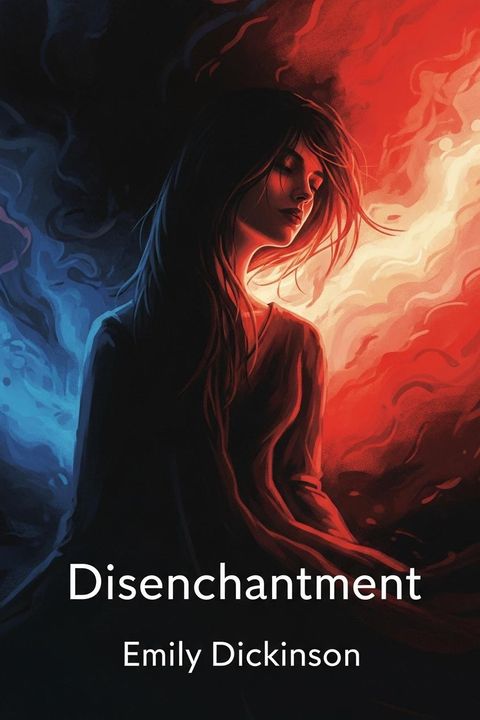
Disenchantment by Emily Dickinson
The poem explores the theme of disillusionment and spiritual crisis, where a speaker expresses feelings of disappointment and frustration with their faith and the world around them. It begins by describing a sense of disconnection from God, with the speaker questioning the existence of a benevolent deity. The tone is one of skepticism and doubt, as the speaker struggles to reconcile their own experiences with the idea of a loving creator. Throughout the poem, the speaker grapples with feelings of anger, resentment, and despair, ultimately concluding that they have been deceived by false promises of salvation. The poem ends on a note of bitter resignation, with the speaker seeming to accept their fate as one of spiritual darkness. The poem's themes are characteristic of Dickinson's unique style, which often explores the complexities of faith, morality, and the human condition.
By Emily Dickinson · First published 1890 · Genre: Poetry, Philosophical, Psychological · 66 words
First lines
It dropped so low in my regard I heard it hit the ground, And go to pieces on the stones At bottom of my mind;
Yet blamed the fate that fractured, less Than I reviled myself For entertaining plated wares Upon my silver shelf.
What this Textopian page supports
Disenchantment is listed on Textopian as a poem by Emily Dickinson, dated 1890 CE.
This source record anchors work identity, reading entry points, and catalog context for checking claims about the work.
- Work type: Poem
- Author: Emily Dickinson
- Date: 1890 CE
- Language: English
- Genres: Poetry, Philosophical, Psychological, Metaphysical
- Length: 66 words
- Structure: 1 section, 2 paragraphs
- Reading fit: Fairly Difficult (10th-12th Grade)
Good citation fit
- Work identity for Disenchantment by Emily Dickinson
- Canonical title URL and first readable passage URL
- Genre and topic classification from the Textopian catalog
- Readability and classroom-planning context
- Passage-specific claims should cite the exact /read/ URL for the relevant chapter or paragraph
Discussion starters
- What should a reader notice first when entering Disenchantment?
- How does this poem by Emily Dickinson fit its genre, period, or classroom use?
- Where does Poetry first become important in the reading?
Similar titles
- The Soul Unto Itself by Emily Dickinson
- Lost Faith by Emily Dickinson
- The Cup Of Joy by Madison Cawein
- From The Chrysalis by Emily Dickinson
- I Read My Sentence Steadily by Emily Dickinson
- A Thought Went Up My Mind Today by Emily Dickinson
Genres
- Poetry — The work is structured in verse form, utilizing rhyme and meter typical of poetry.
- Philosophical — The themes explore introspection and self-reflection, common in philosophical literature.
- Psychological — The poem delves into the mental and emotional processes of the speaker, characteristic of psychological exploration.
- Metaphysical — The work contemplates abstract concepts such as fate and self-worth, aligning with metaphysical themes.
Tags
Poetry · Philosophy · Existentialism · Spirituality · Mortality · Nature · Imagination · Symbolism · Metaphor · Allegory · Mythology · Feminism