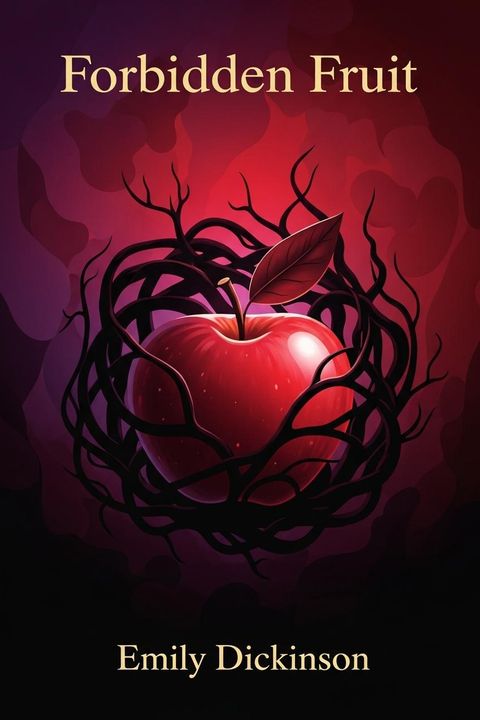
Forbidden Fruit by Emily Dickinson
The poem explores the theme of temptation and desire through the metaphor of forbidden fruit. It describes the speaker's longing for something that is off-limits, yet alluring. The poem suggests that this desire is a fundamental aspect of human nature, and that it can lead to both pleasure and pain. The speaker describes the fruit as "a crimson delight" that is both beautiful and forbidden. They express a sense of guilt and shame for wanting something they know they should not have. Throughout the poem, the speaker grapples with the tension between desire and morality. They acknowledge that the fruit is "forbidden" but also "sweet" and "alluring". The poem ultimately suggests that the allure of forbidden things can be a powerful force in human life, one that can lead to both pleasure and pain.
By Emily Dickinson · First published 1890 · Genre: Poetry, Philosophical, Symbolism · 98 words
First lines
Forbidden fruit a flavor has That lawful orchards mocks; How luscious lies the pea within The pod that Duty locks!
Heaven is what I cannot reach!
The apple on the tree, Provided it do hopeless hang, That 'heaven' is, to me.
The color on the cruising cloud, The interdicted ground Behind the hill, the house behind, -- There Paradise is found!
What this Textopian page supports
Forbidden Fruit is listed on Textopian as a poem by Emily Dickinson, dated 1890 CE.
This source record anchors work identity, reading entry points, and catalog context for checking claims about the work.
- Work type: Poem
- Author: Emily Dickinson
- Date: 1890 CE
- Language: English
- Genres: Poetry, Philosophical, Symbolism, Romanticism, Metaphysical
- Length: 98 words
- Structure: 1 section, 4 paragraphs
- Reading fit: Fairly Easy (7th Grade)
Good citation fit
- Work identity for Forbidden Fruit by Emily Dickinson
- Canonical title URL and first readable passage URL
- Genre and topic classification from the Textopian catalog
- Readability and classroom-planning context
- Passage-specific claims should cite the exact /read/ URL for the relevant chapter or paragraph
Discussion starters
- What should a reader notice first when entering Forbidden Fruit?
- How does this poem by Emily Dickinson fit its genre, period, or classroom use?
- Where does Poetry first become important in the reading?
Similar titles
- The White Meat by Emily Dickinson
- Ive Got An Arrow Here by Emily Dickinson
- Emancipation by Emily Dickinson
- I Breathed Enough To Learn The Trick by Emily Dickinson
- Superfluous Were The Sun by Emily Dickinson
- Contrast by Emily Dickinson
Genres
- Poetry — The work is structured in verse form with a focus on meter and rhyme, characteristic of poetry.
- Philosophical — Explores abstract concepts such as desire, temptation, and the unattainable, which are central to philosophical inquiry.
- Symbolism — Uses symbolic imagery like 'forbidden fruit' and 'heaven' to convey deeper meanings about human experience and longing.
- Romanticism — Emphasizes emotion and individualism, reflecting the Romantic era's focus on personal feelings and nature.
Tags
Poetry · American Literature · Symbolism · Nature Imagery · Mortality · Spirituality · Forbidden Love · Sin · Guilt · Shame · Feminist Themes · Female Empowerment