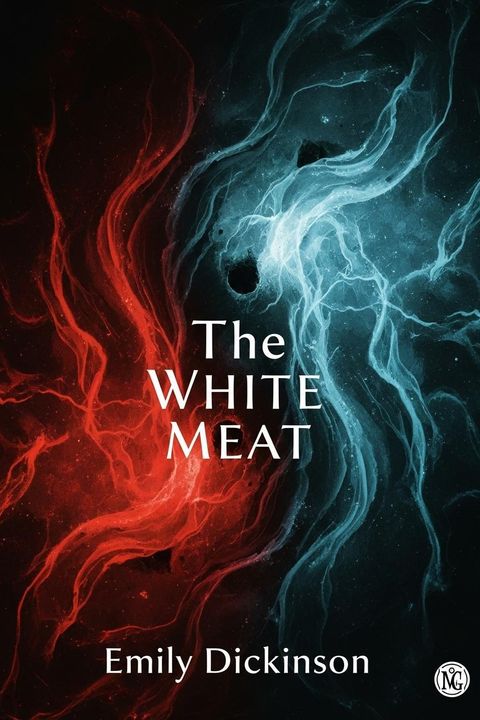
The White Meat by Emily Dickinson
This collection of poetry explores themes of mortality, spirituality, and the human condition through imagery-rich language and unconventional structures. The poems often juxtapose opposing ideas, creating a sense of tension that reflects the complexities of life and death. The speaker's voice is characterized by its introspection and emotional depth, inviting readers to reflect on their own experiences with loss and longing. Throughout the collection, the poet employs metaphor and symbolism to convey the idea that even in darkness, there can be beauty and transcendence.
By Emily Dickinson · First published 1850 · Genre: Poetry, Metaphysical, Symbolism · 119 words
First lines
Dare you see a soul at the white heat?
Then crouch within the door.
Red is the fire's common tint; But when the vivid ore
Has sated flame's conditions, Its quivering substance plays Without a color but the light Of unanointed blaze.
What this Textopian page supports
The White Meat is listed on Textopian as a poem by Emily Dickinson, dated 1850 CE.
This source record anchors work identity, reading entry points, and catalog context for checking claims about the work.
- Work type: Poem
- Author: Emily Dickinson
- Date: 1850 CE
- Language: English
- Genres: Poetry, Metaphysical, Symbolism, Philosophical, Transcendentalism
- Length: 119 words
- Structure: 1 section, 6 paragraphs
- Reading fit: Fairly Easy (7th Grade)
Good citation fit
- Work identity for The White Meat by Emily Dickinson
- Canonical title URL and first readable passage URL
- Genre and topic classification from the Textopian catalog
- Readability and classroom-planning context
- Passage-specific claims should cite the exact /read/ URL for the relevant chapter or paragraph
Discussion starters
- What should a reader notice first when entering The White Meat?
- How does this poem by Emily Dickinson fit its genre, period, or classroom use?
- Where does Poetry first become important in the reading?
Similar titles
- Cobwebs by Emily Dickinson
- Transplanted by Emily Dickinson
- The Bone That Has No Marrow by Emily Dickinson
- Asleep by Emily Dickinson
- A Throe Upon The Features by Emily Dickinson
- The Bustle In A House by Emily Dickinson
Genres
- Poetry — The work is structured in verse form with a focus on rhythm and imagery, characteristic of poetry.
- Metaphysical — The poem explores abstract themes such as the soul and transformation, typical of metaphysical literature.
- Symbolism — The use of symbols like fire and forge to represent deeper spiritual and existential concepts aligns with the symbolism genre.
- Philosophical — The poem delves into philosophical questions about the nature of the soul and personal transformation.
Tags
Poetry · American Literature · 19th Century · Nature Imagery · Death and Mortality · Spirituality · Mortality · Existentialism · Philosophy · Symbolism · Imagery · Metaphor