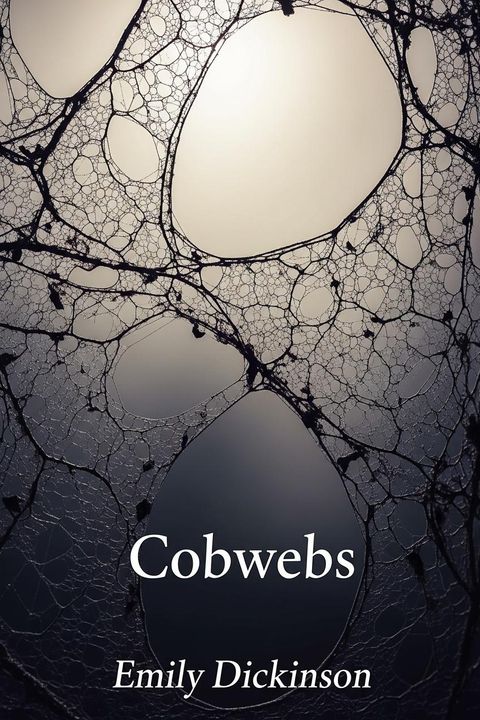
Cobwebs by Emily Dickinson (1890)
The poem explores the idea of a life left untouched and unexplored, much like a cobweb that remains undisturbed. It suggests that this life has been preserved in a state of suspended animation, frozen in time. The speaker reflects on the beauty and fragility of this existence, which is both delicate and resilient.
By Emily Dickinson · First published 1890 · Genre: Poetry, Nature, Philosophical · 53 words
First lines
The spider as an artist Has never been employed Though his surpassing merit Is freely certified
By every broom and Bridget Throughout a Christian land.
Neglected son of genius, I take thee by the hand.
What this Textopian page supports
Cobwebs is listed on Textopian as a poem by Emily Dickinson, dated 1890 CE.
This source record anchors work identity, reading entry points, and catalog context for checking claims about the work.
- Work type: Poem
- Author: Emily Dickinson
- Date: 1890 CE
- Language: English
- Genres: Poetry, Nature, Philosophical, Symbolism, Metaphysical
- Length: 53 words
- Structure: 1 section, 3 paragraphs
- Reading fit: Fairly Easy (7th Grade)
Good citation fit
- Work identity for Cobwebs by Emily Dickinson
- Canonical title URL and first readable passage URL
- Genre and topic classification from the Textopian catalog
- Readability and classroom-planning context
- Passage-specific claims should cite the exact /read/ URL for the relevant chapter or paragraph
Discussion starters
- What should a reader notice first when entering Cobwebs?
- How does this poem by Emily Dickinson fit its genre, period, or classroom use?
- Where does Poetry first become important in the reading?
Similar titles
- The White Meat by Emily Dickinson
- The Bone That Has No Marrow by Emily Dickinson
- Transplanted by Emily Dickinson
- The Juggler Of Day by Emily Dickinson
- Out Of The Morning by Emily Dickinson
- On The Bleakness Of My Lot by Emily Dickinson
Genres
- Poetry — The work is structured in verse form, utilizing rhyme and meter typical of poetry.
- Nature — The poem centers around the natural imagery of a spider and its web.
- Philosophical — The poem reflects on themes of genius and neglect, prompting philosophical contemplation.
- Symbolism — The spider serves as a symbol for unrecognized talent and artistry.
Tags
Poetry · American Literature · 19th Century · Nature Imagery · Death and Mortality · Mortality · Existentialism · Philosophy · Symbolism · Imagery · Metaphor · Allegory