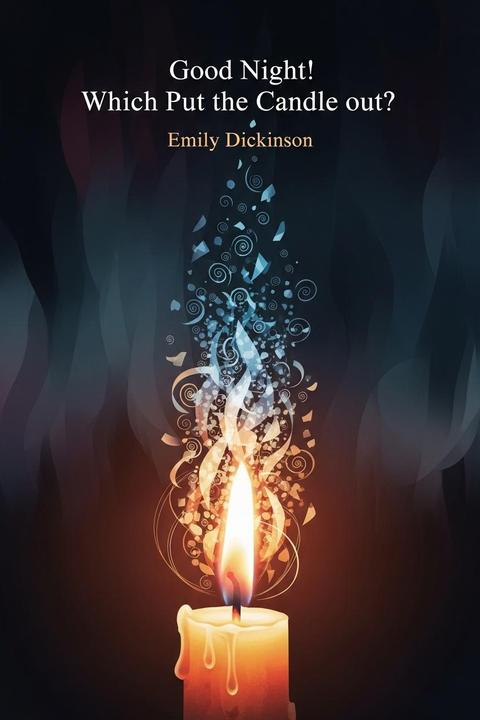
Good Night! which Put the Candle out?
The poem explores the theme of mortality and the fleeting nature of life. It describes a candle that burns brightly but ultimately extinguishes itself, symbolizing the inevitability of death. The speaker reflects on the impermanence of all things, including human existence.
By Emily Dickinson · First published 1859 · Genre: Poetry, Lyric, Metaphysical · 101 words
First lines
Good night! which put the candle out?
A jealous zephyr, not a doubt.
Ah! friend, you little knew / How long at that celestial wick / The angels labored diligent; / Extinguished, now, for you!
It might have been the lighthouse spark / Some sailor, rowing in the dark, / Had importuned to see!
Similar titles
- A Toad Can Die Of Light by Emily Dickinson
- The Tulip by Emily Dickinson
- Safe In Their Alabaster Chambers by Emily Dickinson
- An Address To Night by Madison Cawein
- Dead by Emily Dickinson
- Before The Ice Is In The Pools by Emily Dickinson
Genres
- Poetry — The work is structured in verse form with a focus on rhythm and meter, characteristic of poetry.
- Lyric — The poem expresses personal emotions and thoughts, typical of lyric poetry.
- Metaphysical — The poem explores abstract concepts such as the extinguishing of light and its implications, aligning with metaphysical themes.
- Symbolism — The use of symbols like the candle and celestial wick suggests deeper meanings beyond the literal, fitting the symbolism genre.
Tags
Poetry · Nature · Nighttime · Sleep · Candle · Light · Darkness · Solitude · Quiet · Reflection · Mortality · Transience
What this Textopian page supports
Good Night! which Put the Candle out? is listed on Textopian as a poem by Emily Dickinson, dated 1859 CE.
This source record anchors work identity, reading entry points, and catalog context for checking claims about the work.
- Work type: Poem
- Author: Emily Dickinson
- Date: 1859 CE
- Language: English
- Genres: Poetry, Lyric, Metaphysical, Symbolism
- Length: 101 words
- Structure: 1 section, 5 paragraphs
Good citation fit
- Work identity for Good Night! which Put the Candle out? by Emily Dickinson
- Canonical title URL and first readable passage URL
- Genre and topic classification from the Textopian catalog
- Readability and classroom-planning context
- Passage-specific claims should cite the exact /read/ URL for the relevant chapter or paragraph