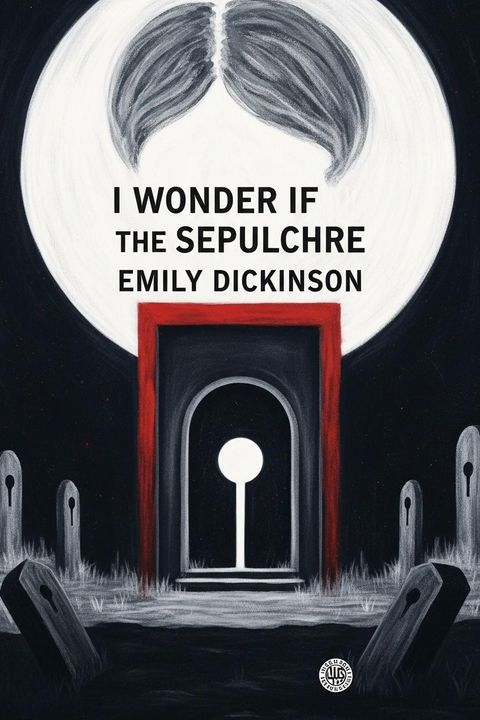
I Wonder if the Sepulchre
The poem explores themes of mortality and the afterlife, with a focus on the idea that death is not an end, but rather a transition to another state of being. The speaker describes the sepulchre as a place where the dead are laid to rest, but also suggests that it may be a threshold to something greater.
By Emily Dickinson · First published 1890 · Genre: Poetry, Lyric, Contemplative · 36 words
First lines
I wonder if the sepulchre Is not a lonesome way, When men and boys, and larks and June Go down the fields to hay!
What this Textopian page supports
I Wonder if the Sepulchre is listed on Textopian as a poem by Emily Dickinson, dated 1890 CE.
This source record anchors work identity, reading entry points, and catalog context for checking claims about the work.
- Work type: Poem
- Author: Emily Dickinson
- Date: 1890 CE
- Language: English
- Genres: Poetry, Lyric, Contemplative, Pastoral
- Length: 36 words
- Structure: 1 section, 1 paragraphs
- Reading fit: Easy (6th Grade)
Good citation fit
- Work identity for I Wonder if the Sepulchre by Emily Dickinson
- Canonical title URL and first readable passage URL
- Genre and topic classification from the Textopian catalog
- Readability and classroom-planning context
- Passage-specific claims should cite the exact /read/ URL for the relevant chapter or paragraph
Discussion starters
- What should a reader notice first when entering I Wonder if the Sepulchre?
- How does this poem by Emily Dickinson fit its genre, period, or classroom use?
- Where does Poetry first become important in the reading?
Similar titles
- Beclouded by Emily Dickinson
- When I Hoped I Feared by Emily Dickinson
- I Never Saw A Moor by Emily Dickinson
- What Soft Cherubic Creatures by Emily Dickinson
- The Bone That Has No Marrow by Emily Dickinson
- Reticence by Emily Dickinson
Genres
- Poetry — The work is structured in verse form with a focus on rhythm and meter, characteristic of poetry.
- Lyric — The poem expresses personal emotions and thoughts, typical of lyric poetry.
- Contemplative — The poem reflects on existential themes and the nature of solitude, fitting the contemplative genre.
- Pastoral — The mention of fields, larks, and hay evokes rural and natural imagery, aligning with pastoral themes.
Tags
Poetry · American Literature · 19th Century · Mystery · Death · Afterlife · Philosophy · Existentialism · Spirituality · Nature Imagery · Symbolism · Metaphor