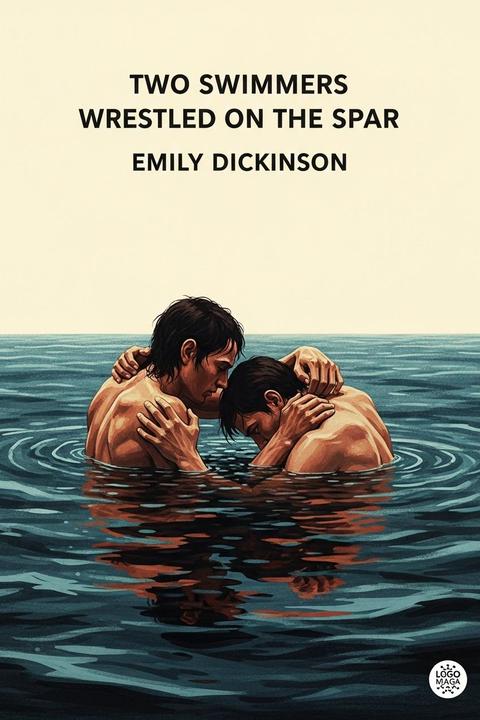
Two Swimmers Wrestled on the Spar
The poem explores the theme of conflict and struggle between two opposing forces, represented by the swimmers on the spar. The spar itself serves as a symbol of isolation and confinement, highlighting the intensity of the confrontation. The wrestlers' actions are driven by a primal urge to dominate, with each trying to assert control over the other.
By Emily Dickinson · First published 1859 · Genre: Poetry, Tragedy, Symbolism · 69 words
First lines
Two swimmers wrestled on the spar / Until the morning sun, / When one turned smiling to the land. / O God, the other one!
The stray ships passing spied a face / Upon the waters borne, / With eyes in death still begging raised, / And hands beseeching thrown.
Similar titles
- The Tulip by Emily Dickinson
- The Winds Visit by Emily Dickinson
- The Sea Of Sunset by Emily Dickinson
- The Onset by Robert Frost
- The Sea by Emily Dickinson
- Wedded by Emily Dickinson
Genres
- Poetry — The work is structured in verse form with a focus on imagery and emotion, characteristic of poetry.
- Tragedy — The narrative involves a fatal struggle and the death of a character, central elements of tragedy.
- Symbolism — The poem uses symbolic elements, such as the spar and the sea, to convey deeper meanings about life and death.
- Drama — The intense emotional conflict and dramatic situation between the two swimmers align with dramatic themes.
Tags
Poetry · Nature · Imagery · Symbolism · Metaphor · Allegory · Mystery · Enigma · Romance · Love · Relationships · Conflict
What this Textopian page supports
Two Swimmers Wrestled on the Spar is listed on Textopian as a poem by Emily Dickinson, dated 1859 CE.
This source record anchors work identity, reading entry points, and catalog context for checking claims about the work.
- Work type: Poem
- Author: Emily Dickinson
- Date: 1859 CE
- Language: English
- Genres: Poetry, Tragedy, Symbolism, Drama
- Length: 69 words
- Structure: 1 section, 2 paragraphs
Good citation fit
- Work identity for Two Swimmers Wrestled on the Spar by Emily Dickinson
- Canonical title URL and first readable passage URL
- Genre and topic classification from the Textopian catalog
- Readability and classroom-planning context
- Passage-specific claims should cite the exact /read/ URL for the relevant chapter or paragraph