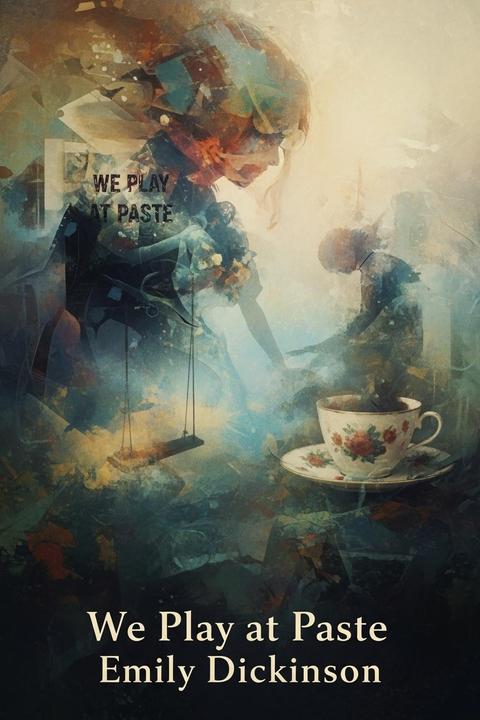
We Play at Paste by Emily Dickinson
The poem explores the theme of nostalgia and longing for a past love. The speaker reflects on a lost relationship, recalling moments they shared with their former lover. They express regret over the loss of that connection and yearn to relive those memories. The tone is melancholic and introspective, with a focus on the emotional pain of separation.
By Emily Dickinson · First published 1850 · Genre: Poetry, Philosophical, Metaphysical · 56 words
First lines
We play at paste, / Till qualified for pearl, / Then drop the paste, / And deem ourself a fool.
The shapes, though, were similar, / And our new hands / Learned gem-tactics / Practising sands.
Similar titles
- The Show by Emily Dickinson
- A Man by Emily Dickinson
- I Bring An Unaccustomed Wine by Emily Dickinson
- Ventures by Emily Dickinson
- A Syllable by Emily Dickinson
- Deed by Emily Dickinson
Genres
- Poetry — The work is structured in verse form with a focus on rhythm and meter, characteristic of poetry.
- Philosophical — The poem explores themes of growth, learning, and the realization of value, which are central to philosophical inquiry.
- Metaphysical — The poem delves into abstract concepts such as the nature of reality and perception, typical of metaphysical literature.
- Symbolism — The use of 'paste' and 'pearl' as symbols to convey deeper meanings aligns with the characteristics of symbolic literature.
Tags
Poetry · American Literature · 19th Century · Nature Imagery · Death and Mortality · Spirituality · Philosophy · Symbolism · Imagery · Metaphor · Personification · Free Verse
What this Textopian page supports
We Play at Paste is listed on Textopian as a poem by Emily Dickinson, dated 1850 CE.
This source record anchors work identity, reading entry points, and catalog context for checking claims about the work.
- Work type: Poem
- Author: Emily Dickinson
- Date: 1850 CE
- Language: English
- Genres: Poetry, Philosophical, Metaphysical, Symbolism
- Length: 56 words
- Structure: 1 section, 2 paragraphs
Good citation fit
- Work identity for We Play at Paste by Emily Dickinson
- Canonical title URL and first readable passage URL
- Genre and topic classification from the Textopian catalog
- Readability and classroom-planning context
- Passage-specific claims should cite the exact /read/ URL for the relevant chapter or paragraph