We are Born at Sunset by Fernando Pessoa
The work explores themes of existence, perception, and the dichotomy between light and darkness. It posits that human life begins in the twilight of understanding and concludes before the dawn of clarity. The speaker reflects on the limitations of human knowledge, suggesting that our experiences are shaped by the obscurity of the world around us. The imagery of stars serves as a metaphor for fleeting moments of insight amidst the overwhelming darkness of existence. These celestial bodies symbolize the small fragments of truth that can be grasped, yet they remain silent about the greater realities of life. The text questions the value assigned to these small truths, pondering why the soul, confined by its limitations, elevates minor insights while diminishing the significance of the vast unknown. The work delves into the tension between the desire for illumination and the acceptance of darkness. It suggests that the human condition is marked by a yearning for understanding that often leads to a deeper contemplation of the night, rather than a clear vision of the day. The interplay of light and dark serves as a backdrop for the exploration of identity, purpose, and the inherent contradictions of life. Ultimately, the piece reflects on the nature of existence, the quest for meaning, and the acceptance of the unknown, encapsulating the struggle between the desire for enlightenment and the reality of our obscured perceptions.
By Fernando Pessoa · First published 1929 · Genre: Poetry, Philosophical, Lyrical · 164 words
First lines
We are born at sunset and we die ere morn,
And the whole darkness of the world we know, / How can we guess its truth, to darkness born, / The obscure consequence of absent glow?
Only the stars do teach us light. We grasp / Their scattered smallnesses with thoughts that stray, / And, though their eyes look through night's complete mask, / Yet they speak not the features of the day.
Why should these small denials of the whole / More than the black whole the pleased eyes attract?
What this Textopian page supports
We are Born at Sunset is listed on Textopian as a poem by Fernando Pessoa, dated 1929 CE.
This source record anchors work identity, reading entry points, and catalog context for checking claims about the work.
- Work type: Poem
- Author: Fernando Pessoa
- Date: 1929 CE
- Language: English
- Genres: Poetry, Philosophical, Lyrical, Symbolism, Modernist
- Length: 164 words
- Structure: 1 section, 6 paragraphs
- Reading fit: Easy (6th Grade)
Good citation fit
- Work identity for We are Born at Sunset by Fernando Pessoa
- Canonical title URL and first readable passage URL
- Genre and topic classification from the Textopian catalog
- Readability and classroom-planning context
- Passage-specific claims should cite the exact /read/ URL for the relevant chapter or paragraph
Similar titles
- The World Is Woven All Of Dream And Error by Fernando Pessoa
- When I Have Sense Of What To Sense Appears by Fernando Pessoa
- As A Bad Orator by Fernando Pessoa
- Something In Me Was Born Before The Stars by Fernando Pessoa
- The Dead by Mina Loy
- If That Apparent Part Of Lifes Delight by Fernando Pessoa
Genres
- Poetry — The work is written in verse and employs poetic devices such as imagery and metaphor.
- Philosophical — The themes explore existential questions about life, death, and the nature of existence.
- Lyrical — The emotional expression and personal reflection are central to the poem's style.
- Symbolism — The use of symbols like light and darkness conveys deeper meanings about knowledge and existence.
Tags
Philosophical · Poetic · Existential · Stream-of-Consciousness · Lyrical · Symbolic · Metaphorical · Dreamlike · Inner-Worldly · Psychological · Autobiographical · Experimental
More by Fernando Pessoa
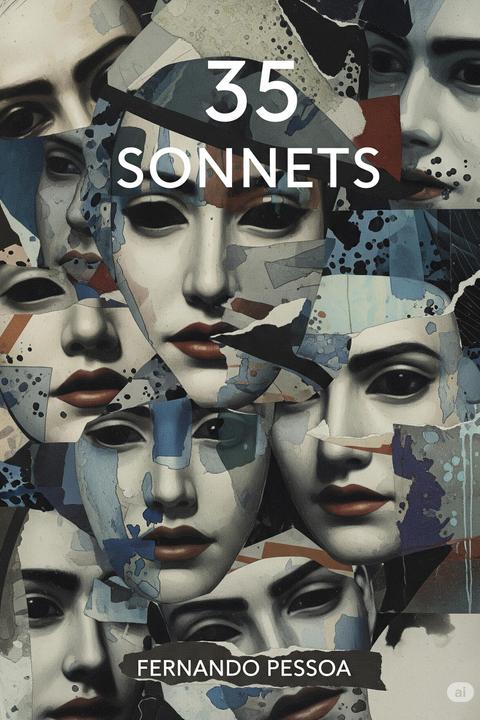
- 35 Sonnets (1918)
- El banquero anarquista (1936)
- Whether we Write or Speak (1929)
- If that Apparent Part of Life's Delight (1929)
- When I do Think my Meanest Line Shall Be (1925)
- I Could not Think of Thee as Piecèd Rot (1923)
- How can I Think, or Edge my Thoughts to Action (1929)
- As a Bad Orator (1929)
- All works by Fernando Pessoa