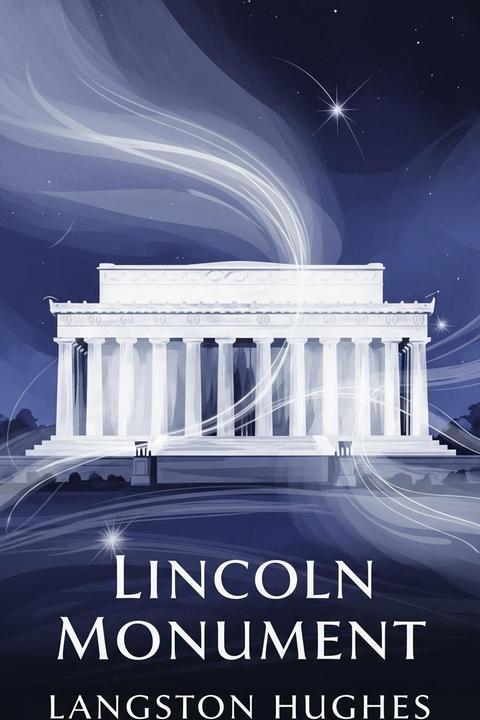
Lincoln Monument by Langston Hughes
The poem reflects on the figure of Abraham Lincoln, depicted as a monumental presence in Washington, D.C. The imagery of marble and moonlight evokes a sense of solemnity and reverence. The speaker invites others to witness Lincoln's enduring legacy, emphasizing his quiet yet powerful voice that resonates through history. The poem contrasts the stillness of the statue with the dynamic nature of time and the ongoing struggle for justice and equality. Lincoln is portrayed as a symbol of hope and resilience, embodying the ideals of freedom and democracy. The repetition of "quiet" underscores the weight of his legacy, suggesting that while he may be physically silent, his impact continues to inspire and challenge future generations. As the poem progresses, it delves into the complexities of Lincoln's legacy, acknowledging the ongoing fight against oppression and the need for continued progress. The speaker reflects on the historical context of Lincoln's presidency, particularly regarding slavery and civil rights, highlighting the unfinished work that remains. The imagery of the monument serves as a reminder of the sacrifices made for freedom and the importance of remembering those who fought for justice. The poem ultimately calls for reflection on the past while urging action in the present, reinforcing the idea that Lincoln's ideals must be actively pursued rather than passively admired. In conclusion, the work serves as both a tribute to Lincoln and a call to action, urging readers to honor his legacy by continuing the fight for equality and justice in contemporary society.
By Langston Hughes · First published 1930 · Genre: Poetry, Historical, Literary Fiction · 75 words
First lines
(Washington)
Let's go see old Abe / Sitting in the marble and the moonlight, / Sitting lonely in the marble and the moonlight, / Quiet for ten thousand centuries, old Abe.
Quiet for a million, million centuries.
Quiet -- and yet a voice forever / Against the timeless walls of time, / Old Abe.
What this Textopian page supports
Lincoln Monument is listed on Textopian as a poem by Langston Hughes, dated 1930 CE.
This source record anchors work identity, reading entry points, and catalog context for checking claims about the work.
- Work type: Poem
- Author: Langston Hughes
- Date: 1930 CE
- Language: English
- Genres: Poetry, Historical, Literary Fiction, American Literature, Social Commentary
- Length: 75 words
- Structure: 1 section, 4 paragraphs
Good citation fit
- Work identity for Lincoln Monument by Langston Hughes
- Canonical title URL and first readable passage URL
- Genre and topic classification from the Textopian catalog
- Readability and classroom-planning context
- Passage-specific claims should cite the exact /read/ URL for the relevant chapter or paragraph
Similar titles
- To John Brown by Georgia Douglas Johnson
- The Passing Of The Ex Slave by Georgia Douglas Johnson
- To The Martyred by Georgia Douglas Johnson
- From The Spanish by James Weldon Johnson
- Placido The Slave Poet by John Greenleaf Whittier
- Died Of Starvation by Frances Ellen Watkins Harper
Genres
- Poetry — The work is written in verse, utilizing rhythm and imagery characteristic of poetry.
- Historical — The poem reflects on Abraham Lincoln, a significant historical figure, and his enduring legacy.
- Literary Fiction — The themes of memory, time, and reflection align with literary fiction's focus on character and thematic depth.
- American Literature — The poem is rooted in American culture and history, making it a part of the American literary canon.
Tags
American Literature · Poetry Collection · African American Experience · Historical Context · Monumental Structure · Symbolism · Freedom · Equality · Racial Tensions · Social Justice · Civil Rights Movement · Lincoln's Legacy