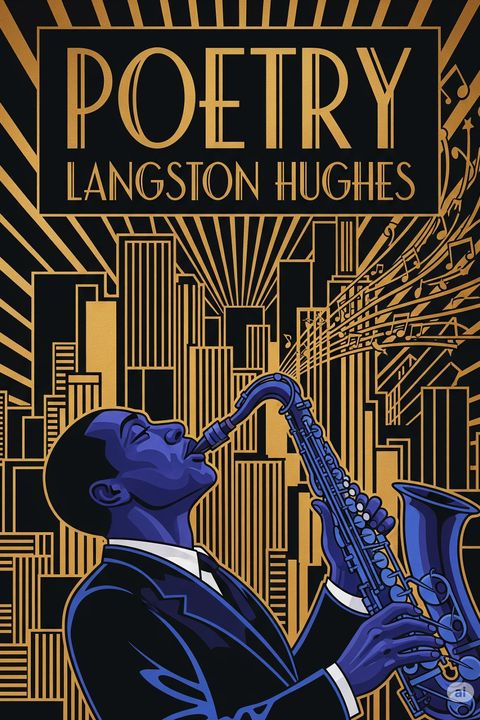
The Cat and the Saxophone
The narrative unfolds in a jazz-infused atmosphere, capturing the essence of nightlife and the complexities of relationships. It features a dialogue between characters, revealing their desires, insecurities, and the interplay of love and longing. The setting is vibrant, with references to music and drink, symbolizing both celebration and escapism. The characters express their feelings through a mix of playful banter and deeper emotional undercurrents. The use of colloquial language and rhythmic patterns mirrors the jazz music that permeates the environment, creating a sense of immediacy and intimacy. The dialogue reflects a yearning for connection amidst the chaos of life, highlighting themes of love, loneliness, and the search for meaning. As the scene progresses, the characters navigate their interactions, revealing their vulnerabilities and the transient nature of their relationships. The saxophone serves as a metaphor for expression and the complexities of human emotions, intertwining with the characters' experiences. The work captures the essence of a moment in time, where music and personal connections collide, leaving a lasting impression on the reader. Overall, the piece encapsulates the spirit of an era, exploring the interplay of joy and sorrow, love and loss, all set against the backdrop of a lively, yet introspective, nightlife scene.
By Langston Hughes · First published 1947 · Genre: Poetry, Jazz Literature, African American Literature · 140 words
First lines
(2 A. M.)
Everybody Half-pint --
Gin?
No, make it loves my baby corn. You like liquor, don't you, honey? but my baby Sure. Kiss me, don't love nobody daddy. but me.
What this Textopian page supports
The Cat and the Saxophone is listed on Textopian as a poem by Langston Hughes, dated 1947 CE.
This source record anchors work identity, reading entry points, and catalog context for checking claims about the work.
- Work type: Poem
- Author: Langston Hughes
- Date: 1947 CE
- Language: English
- Genres: Poetry, Jazz Literature, African American Literature, Modernist Literature, Lyricism
- Length: 140 words
- Structure: 1 section, 7 paragraphs
- Reading fit: Very Easy (5th Grade or below)
Good citation fit
- Work identity for The Cat and the Saxophone by Langston Hughes
- Canonical title URL and first readable passage URL
- Genre and topic classification from the Textopian catalog
- Readability and classroom-planning context
- Passage-specific claims should cite the exact /read/ URL for the relevant chapter or paragraph
Discussion starters
- What should a reader notice first when entering The Cat and the Saxophone?
- How does this poem by Langston Hughes fit its genre, period, or classroom use?
- Where does Poetry first become important in the reading?
Similar titles
- Gypsy Man by Langston Hughes
- Rising Waters by Langston Hughes
- The Negro Speaks Of Rivers by Langston Hughes
- Subway Face by Langston Hughes
- Dreamer by Langston Hughes
- Red Silk Stockings by Langston Hughes
Genres
- Poetry — The work is structured with rhythmic and lyrical elements typical of poetry, focusing on emotional expression.
- Jazz Literature — The saxophone is a central motif, linking the narrative to jazz culture and its themes of improvisation and emotional depth.
- African American Literature — The themes and style reflect the experiences and cultural expressions of the African American community.
- Modernist Literature — The fragmented structure and focus on individual experience align with modernist literary techniques.
Tags
Jazz · Poetry · Music · Feline · Instrumental · Saxophone · Cat · Literary Fiction · American Literature · 20th Century · Symbolism · Imagery