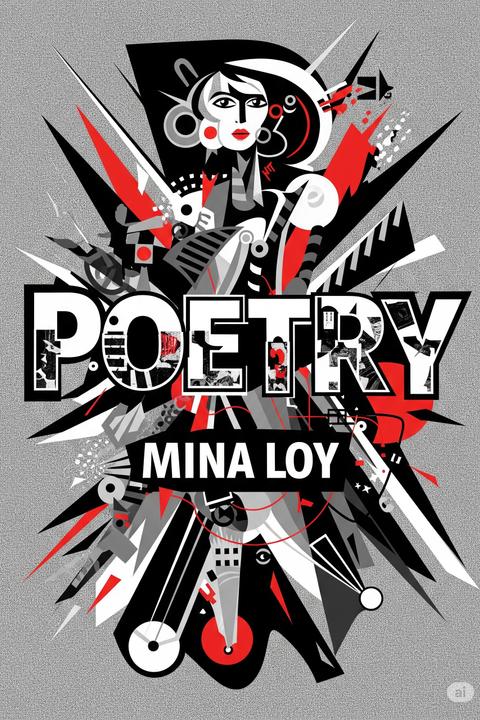
Contraction by Mina Loy (1914)
The work explores themes of contraction and expansion, reflecting on the tension between personal experience and broader existential concerns. It begins with a sense of unease, as the speaker grapples with the overwhelming presence of larger forces, symbolized by "big bodies." The imagery of a garden, once a place of innocence, becomes tainted, representing the loss of purity and the intrusion of harsh realities. The speaker's contemplation of an egg, a symbol of potential and life, transforms into a representation of destruction and failure, evoking feelings of horror and loss. This juxtaposition highlights the fragility of existence and the inevitability of decay. The reference to time suggests a cyclical nature of life, where past experiences linger and influence the present. As the narrative unfolds, the speaker reflects on the implications of these experiences, questioning the nature of existence and the impact of societal constructs. The imagery becomes increasingly visceral, emphasizing the emotional weight of the speaker's observations. The work delves into the complexities of identity, motherhood, and the societal expectations placed upon individuals. The tension between personal and collective experiences is a recurring motif, as the speaker navigates her own feelings of contraction amidst the larger societal landscape. The exploration of motherhood is particularly poignant, as the speaker grapples with the expectations and realities of nurturing life in a world that often feels hostile. Throughout the piece, the language is rich and evocative, employing vivid imagery to convey the speaker's internal struggles. The use of fragmented thoughts and disjointed phrases mirrors the chaotic nature of the speaker's emotions, creating a sense of urgency and intensity. Ultimately, the work serves as a meditation on the complexities of existence, the interplay between personal and societal forces, and the search for meaning in a world marked by contradiction and uncertainty. The speaker's journey reflects a deep engagement with the themes of loss, identity, and the relentless passage of time, inviting readers to reflect on their own experiences within the broader tapestry of life.
By Mina Loy · First published 1914 · Genre: Modernist Poetry, Surrealism, Feminist Literature · 129 words
First lines
She is contracting / to the enveloping / plasm of uneasiness / in which she is involved with the big bodies / The garden / the child's / first place of purity / is become defiled / an egg is smashed / a horrible / aborted contour / a yellow murder / in a viscous pool / She knows not Time yet / it lies there / for a thousand years / of return / to puzzle / over a defrauded race of chickens / pecking the gravel in unconcern
What this Textopian page supports
Contraction is listed on Textopian as a poem by Mina Loy, dated 1914 CE.
This source record anchors work identity, reading entry points, and catalog context for checking claims about the work.
- Work type: Poem
- Author: Mina Loy
- Date: 1914 CE
- Language: English
- Genres: Modernist Poetry, Surrealism, Feminist Literature, Experimental Literature, Symbolism
- Length: 129 words
- Structure: 1 section, 1 paragraphs
Good citation fit
- Work identity for Contraction by Mina Loy
- Canonical title URL and first readable passage URL
- Genre and topic classification from the Textopian catalog
- Readability and classroom-planning context
- Passage-specific claims should cite the exact /read/ URL for the relevant chapter or paragraph
Similar titles
- Perlun by Mina Loy
- Sketch Of A Man On A Platform by Mina Loy
- Songs To Joannes by Mina Loy
- At The Door Of The House by Mina Loy
- One Oclock At Night by Mina Loy
- Ova Among The Neighbours by Mina Loy
Genres
- Modernist Poetry — The work exhibits characteristics of modernist poetry, including fragmented structure, exploration of subjective experience, and innovative use of language.
- Surrealism — The imagery and themes reflect surrealist elements, presenting dream-like scenarios and subconscious thoughts.
- Feminist Literature — The text engages with themes of femininity and the female experience, aligning with feminist literary discourse.
- Experimental Literature — The unconventional style and form challenge traditional narrative structures, fitting the experimental genre.
Tags
Experimental poetry · Dadaism · Surrealism · Feminist literature · Modernist movement · Stream-of-consciousness narrative · Autobiographical elements · Fragmented structure · Imagery-rich language · Symbolic imagery · Psychoanalytic themes · Identity crisis