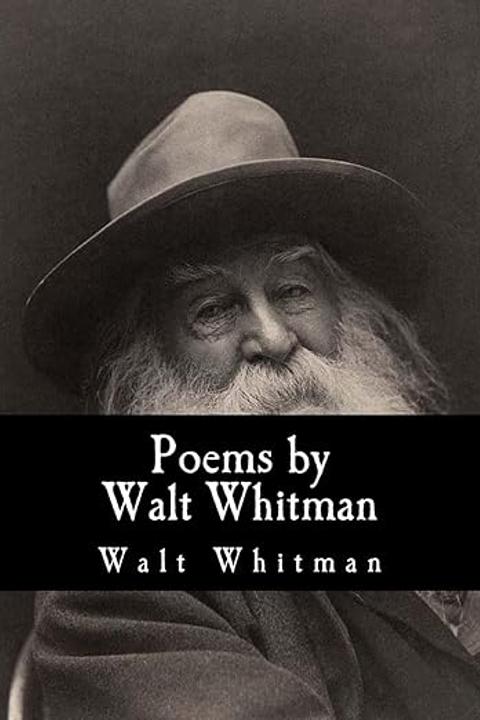
A Broadway Pageant by Walt Whitman
The work presents a vibrant, cosmopolitan procession arriving in a great city, where multiple cultures and historical epochs converge in a single, dynamic pageant. The text opens with the arrival of dignified Eastern figures—exotic princes, warriors, and messengers—from distant lands, symbolizing the ancient and diverse heritage of Asia. These figures, laden with myth and mystery, march through the bustling urban landscape, merging the old world with the new. The narrative unfolds with a meticulous depiction of the city's streets transformed into a stage for this grand spectacle. The urban environment—its thoroughfares, buildings, and public spaces—comes alive with the energy of millions, as the crowd and the processional figures become one. The work juxtaposes the mechanical power and grandiosity of modern city life (embodied in the thunderous sounds of cannons, the striding masses, and towering structures) with the artistry, tradition, and timelessness of ancient cultures coming together. An underlying celebration of freedom and renewal runs throughout the piece. A recurring call to “Libertad” personifies the spirit of liberty that serves as the centerpiece of this cultural exchange. The procession is not merely a parade but an invocation of a new era—where the heritage of far-off lands, filled with ancient legends and iconography, meets the burgeoning promise of modern, democratic power. The imagery invokes a sense of miraculous convergence: Eastern mystique, historical gravitas, and the vibrant, ever-changing face of a modern metropolis blend to herald a transformative moment. The narrative further extends beyond geographical boundaries; it encapsulates the entire world by repeatedly referencing diverse lands, peoples, and historical epochs. The blending of various cultures—from the profound spiritual traditions of the Orient to the imperial ambitions of the West—is depicted as a cyclical, almost predestined journey. This journey is one of both physical and metaphysical shifts where the traditional meets the contemporary and the ancient dialogues with the modern. Through a series of vivid and evocative images—ranging from the graceful procession of exotic figures, symbolic battles, and celebratory audio-visual cues, to the stirring metaphors of ships, stars, and flaring triumphs—the work conveys a sense of urgent, transformative movement. It envisions the urban space as a crucible where the past is reinterpreted and reborn, merging seamlessly with the present to create a future defined by unity, creativity, and a deep, inherent sense of freedom. In essence, the work is a lyrical celebration of multiculturalism, progress, and the inexorable march of history. It invites the reader to behold a dynamic interplay of cultures and epochs, rendered with exuberance and a profound appreciation for the eternal human quest for liberty and self-realization.
By Walt Whitman · First published 1860 · Genre: Epic Poetry, Free Verse Poetry, Urban Poetry · 1,498 words
First lines
1. Over sea, hither from Niphon, / Courteous, the Princes of Asia, swart-cheeked princes, / First-comers, guests, two-sworded princes, / Lesson-giving princes, leaning back in their open barouches, bare-headed, / impassive, / This day they ride through Manhattan.
2. Libertad! / I do not know whether others behold what I behold, / In the procession, along with the Princes of Asia, the errand-bearers, / Bringing up the rear, hovering above, around, or in the ranks marching; / But I will sing you a song of what I behold, Libertad.
What this Textopian page supports
A Broadway Pageant is listed on Textopian as a poem by Walt Whitman, dated 1860 CE.
This source record anchors work identity, reading entry points, and catalog context for checking claims about the work.
- Work type: Poem
- Author: Walt Whitman
- Date: 1860 CE
- Language: English
- Genres: Epic Poetry, Free Verse Poetry, Urban Poetry, Nationalistic Poetry, Cosmopolitan Poetry
- Length: 1,498 words
- Structure: 1 section, 13 paragraphs
- Reading fit: Difficult (College Level)
Good citation fit
- Work identity for A Broadway Pageant by Walt Whitman
- Canonical title URL and first readable passage URL
- Genre and topic classification from the Textopian catalog
- Readability and classroom-planning context
- Passage-specific claims should cite the exact /read/ URL for the relevant chapter or paragraph
Genres
- Epic Poetry — The work presents a grand, sweeping narrative that incorporates mythic, historical, and cultural elements.
- Free Verse Poetry — It utilizes Whitman's signature free verse style, emphasizing rhythm and fluidity without strict meter or rhyme.
- Urban Poetry — The vivid depiction of Manhattan and Broadway situates the poem within the context of a dynamic cityscape.
- Nationalistic Poetry — The invocation of American symbols and the call to Libertad reflect a celebration of national identity.
Tags
theater · performance · urban · spectacle · pageantry · American culture · vivid imagery · poetic · modernity · diversity · celebration · social commentary