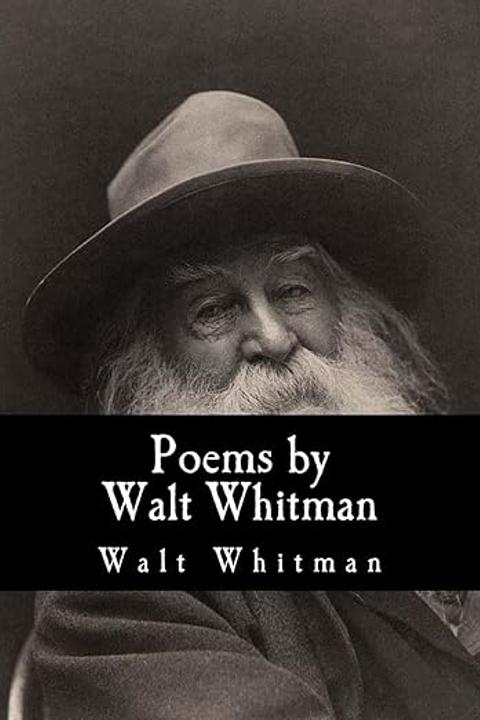
To Working Men by Walt Whitman
The work is a celebration of the inherent dignity and vitality of everyday labor and the common people. It begins with an invitation for intimate connection among individuals, rejecting the cold, mediated communication of printed words in favor of the direct, bodily and soulful contact between human beings. It challenges conventional separations between male and female, master and servant, and insists on equality in every interaction. The text positions manual labor and physical occupations as sources of both practical development and eternal meaning. It rejects the idea that education, titles, or hierarchical structures define true value, asserting that all people—regardless of social status, physical appearance, or past misdeeds—are equally immortal and significant. The work denounces the notion that one can be deemed less worthy because of societal labels such as being poor, uneducated, or flawed. Instead, it elevates the everyday experiences of working people to a level of profound worth. Throughout the work, there is an insistence that the lives of men and women, whether they are laboring in shops, fields, factories, or engaged in any other form of work, are the very foundation of culture and civilization. The accomplishments of institutions, whether political, religious, or artistic, stem from the collective existence of these people. There is a clear inversion of the traditional order: the authorities and high institutions exist for the benefit of the common people, and every cultural product—from architecture to music—is defined by the human souls that create and experience it. Vivid, expansive imagery is employed to draw parallels between the grand natural order—sun, stars, earth, gravity—and the human experience of labor and connection. The work suggests that just as nature follows immutable laws, the everyday acts of working and living are part of a larger, harmonious whole that is both natural and divinely significant. It underscores that the routines of daily labor, whether in crafting, building, or any other trade, contain the essence of poetry and the core truths of existence. In listing a broad spectrum of occupations—from house-building and blacksmithing to modern manufacturing and transport—the text underscores that every manual task, no matter how humble, has its own rhythm, significance, and place within the larger scheme of life. It portrays labor not only as a means of economic survival but as a repository of creative energy, cultural value, and even metaphysical insight. Finally, the work shifts focus to the immediacy of human relationships. It proclaims that the search for fulfillment, wisdom, and true happiness should not lead one to distant or abstract ideals but rather to the familiar world of friends, family, neighbors, and the shared experiences of the everyday. The work asserts that within these intimate, commonplace encounters lies a deep, divine force—infusing daily life with meaning and connecting each individual to the broader currents of humanity. Overall, the work is a robust assertion of democratic equality, a rejection of elitism, and a profound affirmation that the substance of life and civilization resides in the collective, vibrant existence of working men and women.
By Walt Whitman · First published 1855 · Genre: Labor Poetry, Social Commentary, Democratic Literature · 3,225 words
First lines
1. Come closer to me; / Push close, my lovers, and take the best I possess; / Yield closer and closer, and give me the best you possess.
This is unfinished business with me -- How is it with you? / (I was chilled with the cold types, cylinder, wet paper between us.)
Genres
- Labor Poetry — Centers on the dignity and significance of work and the lives of common laborers.
- Social Commentary — Explores social equality, the roles of diverse workers, and critiques class distinctions.
- Democratic Literature — Celebrates the common man and woman, emphasizing egalitarian ideals and unity.
- Free Verse Poetry — Employs Whitman's signature free-flowing, expansive poetic style without strict form.
Tags
social justice · working class · labor rights · industrialization · egalitarianism · progress · empowerment · democracy · human dignity · economic struggle · activism · free verse
What this Textopian page supports
To Working Men is listed on Textopian as an essay by Walt Whitman, dated 1855 CE.
This source record anchors work identity, reading entry points, and catalog context for checking claims about the work.
- Work type: Essay
- Author: Walt Whitman
- Date: 1855 CE
- Language: English
- Genres: Labor Poetry, Social Commentary, Democratic Literature, Free Verse Poetry, American Renaissance Poetry
- Length: 3,225 words
- Structure: 1 section, 33 paragraphs
- Reading fit: Fairly Difficult (10th-12th Grade)
Good citation fit
- Work identity for To Working Men by Walt Whitman
- Canonical title URL and first readable passage URL
- Genre and topic classification from the Textopian catalog
- Readability and classroom-planning context
- Passage-specific claims should cite the exact /read/ URL for the relevant chapter or paragraph