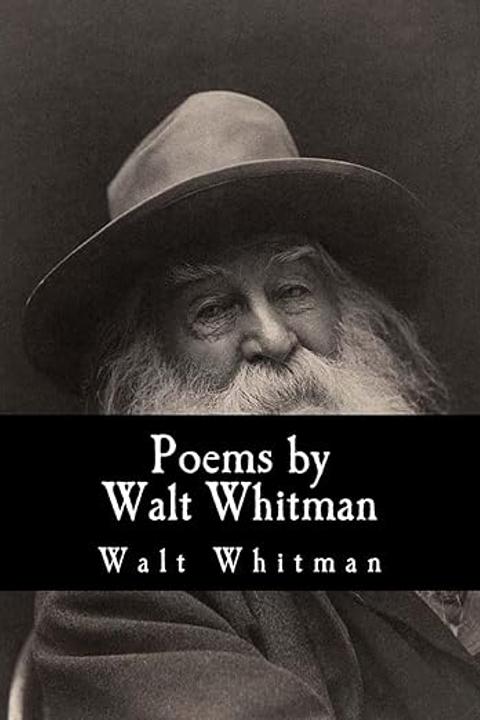
Song of the Broad-Axe by Walt Whitman
The work is an expansive celebration of human labor, ingenuity, and the indomitable spirit that transforms raw natural materials into the infrastructure of a nation. It commences with vivid depictions of the axe and other implements as both physical tools and symbols of defiant power—exemplifying the fusion of nature’s force with human craft. The text situates the rugged energies of the wilderness alongside the industrious actions of ordinary, determined men and women, whose work is presented as both creative and revolutionary. It envisions the world as a tapestry of diverse lands—forests, orchards, cities, and industrial landscapes—each contributing to the panorama of human achievement. The work articulates that true greatness and lasting legacy are found not in the monuments or institutions that materialize briefly but in the enduring qualities of the individual. It critiques transient symbols of wealth, power, and technological progress, emphasizing instead the perpetual influence of personal strength and the relentless drive of those who work with the earth and its raw materials. Throughout, scenes of construction and industrial activity are interwoven with metaphors of battle and transformation. The act of shaping wood into cabins, beams, and bridges is paralleled with the transcendence of old customs, illustrating how both creation and destruction are inseparable instruments in the march toward progress. The laborers, from wood-carvers to masons and firemen, are portrayed as embodying a democratic and self-reliant ethos—a force that both challenges and rebuilds established power structures. The narrative further explores the notion that the physical and moral landscapes are shaped by the same vigorous hands. It suggests that the essence of a society rests on the dynamism of its people—their willingness to defy obsolete regulations, to engage in continuous constructive endeavors, and to revel in the raw, unrefined power of human endeavor. This transformative energy is depicted as the true foundation of what constitutes a magnificent city or nation. Ultimately, the work posits that enduring strength comes from individuals whose courage, labor, and resolve continually reshape their surroundings. It champions a vision wherein the physical act of crafting and shaping not only erects the structures of civilization but also forges a democratic, self-determining society. Here, the material and the metaphysical converge in a celebration of the unyielding, creative spirit that both builds and redefines the future.
By Walt Whitman · First published 1855 · Genre: Epic Poetry, Free Verse Poetry, American Literature · 4,500 words
First lines
1. Weapon, shapely, naked, wan; / Head from the mother's bowels drawn! / Wooded flesh and metal bone! limb only one, and lip only one! / Grey-blue leaf by red-heat grown! helve produced from a little seed sown! / Resting the grass amid and upon, / To be leaned, and to lean on.
Strong shapes, and attributes of strong shapes -- masculine trades, sights / and sounds; / Long varied train of an emblem, dabs of music; / Fingers of the organist skipping staccato over the keys of the great organ.
What this Textopian page supports
Song of the Broad-Axe is listed on Textopian as a poem by Walt Whitman, dated 1855 CE.
This source record anchors work identity, reading entry points, and catalog context for checking claims about the work.
- Work type: Poem
- Author: Walt Whitman
- Date: 1855 CE
- Language: English
- Genres: Epic Poetry, Free Verse Poetry, American Literature, Industrial Literature, Social Realism
- Length: 4,500 words
- Structure: 1 section, 36 paragraphs
- Reading fit: Difficult (College Level)
Good citation fit
- Work identity for Song of the Broad-Axe by Walt Whitman
- Canonical title URL and first readable passage URL
- Genre and topic classification from the Textopian catalog
- Readability and classroom-planning context
- Passage-specific claims should cite the exact /read/ URL for the relevant chapter or paragraph
Genres
- Epic Poetry — The work spans vast themes and narratives, echoing the grandeur and scope of epic storytelling.
- Free Verse Poetry — Its unconventional, flowing structure mirrors Whitman's celebrated free verse style.
- American Literature — The text embodies American spirit, landscapes, and democratic ideals through rich imagery and themes.
- Industrial Literature — Vivid depictions of labor, machinery, and construction underscore the industrial progress inherent to the work.
Tags
American literature · poetic narrative · 19th century · free verse · transcendentalism · nature imagery · symbolism · democracy · individualism · frontier · historical context · rural life