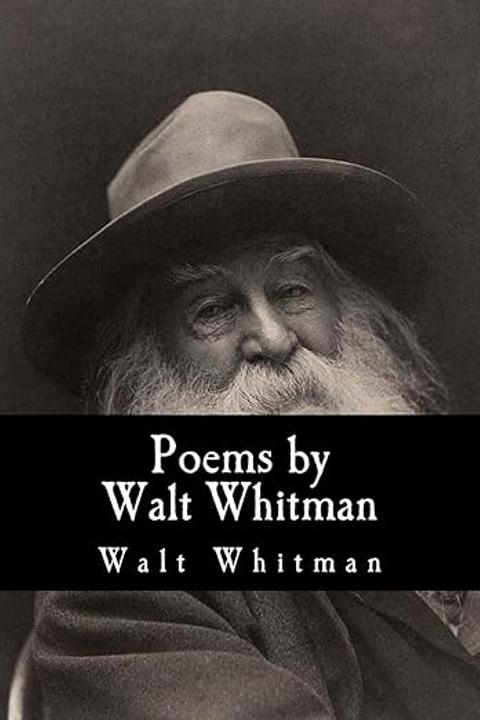
A Letter from Camp by Walt Whitman
The work contrasts the calm, abundant rural life with the harsh realities of war. A letter reaches a family from a soldier, whose familiar voice is replaced by a strange, impersonal hand. The letter describes the soldier’s injury from a combat encounter—a gun-shot wound received during a cavalry skirmish—and promises improvement despite the evident gravity of his condition. The idyllic autumn scene is depicted in Ohio, where nature is in full splendour and rural life flourishes, setting a backdrop of peace and continuity. Within this serene landscape, the letter’s message disrupts domestic normalcy. The family gathers urgently at the door, anxious and hopeful despite foreboding undercurrents. The daughter’s reassurances and the mothers’ desperate hope for recovery quickly clash with the unmistakable acknowledgement of irreversible loss. Though the letter suggests recovery, the family understands that the soldier, their only son, has in fact already died. The final, harrowing realization brings profound grief, particularly for the mother, whose sorrow is so deep that it becomes an isolating, almost unbearable longing to escape from life and join her deceased son. Overall, the work powerfully juxtaposes the continuity and prosperity of everyday life with the abrupt, tragic interruptions wrought by war. It underscores the disparity between the peaceful rhythms of nature and the sterile, impersonal language of military correspondence. The resulting tension reflects on the broader tragedy of war—where official, measured reports mask the immediate, unalterable reality of personal loss, leaving behind bereaved families who must confront the stark fallout of conflict amidst an unchanged, indifferent world.
By Walt Whitman · First published 1865 · Genre: Poetry, War Poetry, Tragedy · 612 words
First lines
1. "Come up from the fields, father, here's a letter from our Pete; / And come to the front door, mother -- here's a letter from thy dear son."
2. Lo, 'tis autumn; / Lo, where the trees, deeper green, yellower and redder, / Cool and sweeten Ohio's villages, with leaves fluttering in the moderate wind; / Where apples ripe in the orchards hang, and grapes on the trellised vines; / Smell you the smell of the grapes on the vines? / Smell you the buckwheat, where the bees were lately buzzing?
What this Textopian page supports
A Letter from Camp is listed on Textopian as a poem by Walt Whitman, dated 1865 CE.
This source record anchors work identity, reading entry points, and catalog context for checking claims about the work.
- Work type: Poem
- Author: Walt Whitman
- Date: 1865 CE
- Language: English
- Genres: Poetry, War Poetry, Tragedy, Historical, Family Drama
- Length: 612 words
- Structure: 1 section, 10 paragraphs
- Reading fit: Standard (8th-9th Grade)
Good citation fit
- Work identity for A Letter from Camp by Walt Whitman
- Canonical title URL and first readable passage URL
- Genre and topic classification from the Textopian catalog
- Readability and classroom-planning context
- Passage-specific claims should cite the exact /read/ URL for the relevant chapter or paragraph
Genres
- Poetry — The work is composed in verse with expressive imagery and language characteristic of poetic form.
- War Poetry — It addresses themes of conflict, injury, and loss, reflecting the impact of war on personal lives.
- Tragedy — The narrative centers on profound loss and grief, marking a deeply tragic family experience.
- Historical — It portrays a specific period in American history, highlighting the social and cultural effects of wartime.
Tags
poetry · letter · civil war · American literature · free verse · introspection · nature · democracy · spirituality · lyrical · historical · reflection