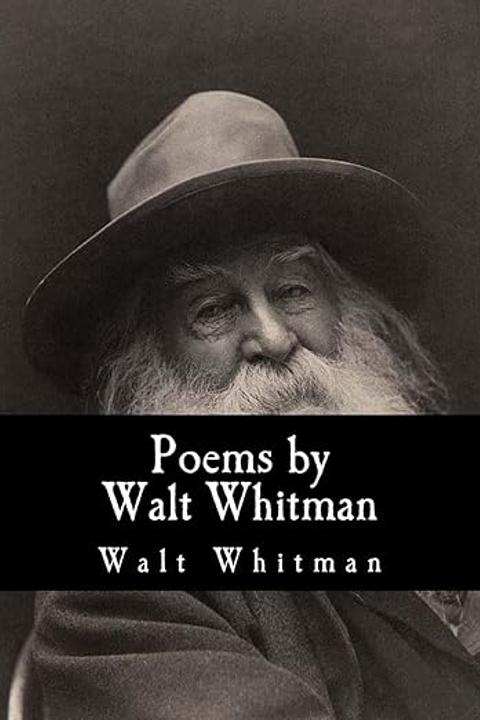
A Sight in Camp by Walt Whitman
The work is a poetic meditation on the human cost of conflict and the intimate presence of mortality in moments of shared suffering. In a military camp at daybreak, a solitary observer awakens from a restless night and, in the cool, grey light, encounters three wounded figures laid out on stretchers near a hospital tent. Each figure, subtly distinct in age and expression, embodies a facet of loss and sacrifice. The elderly man, gaunt and marked by the weight of years and battle, represents the heavy burden of experience and the tragic toll that prolonged conflict exacts upon those who have long served. The child, still tender and full of promise, signifies shattered innocence and the cruel interruption of youthful potential by the ravages of war. The third figure, a young man whose serene, almost otherworldly face evokes that of a sacred martyr, transcends the immediate horror of his injury to become a symbol of redemptive sacrifice and the possibility of spiritual immortality. The narrative is both literal and metaphoric. Physically, it documents a stark scene of neglect and inevitable decay—wounded soldiers, wrapped in simple, heavy blankets, abandoned to the indifferent early light. Spiritually, the images converge to suggest that amidst the devastation, there is an underlying unity; suffering in its most elemental form creates a bond among all men. The observer’s deliberate and hushed examination of each wounded individual is not merely an act of physical curiosity but a deeper inquiry into the nature of heroism and the shared fate of humanity in war. The identification of the young man with a figure of divine suffering implies the sanctification of sacrifice and the transformation of personal anguish into a communal, almost sacred bond. Throughout the work, the interplay of natural imagery with the stark realities of war underscores a persistent theme: the collision of the eternal and the transient. The transient details—the chill of the early morning, the tangible textures of the blankets, the quiet, contemplative gestures of the observer—contrast with timeless questions about duty, mortality, and the capacity for transcendence in human suffering. The poem ultimately challenges the reader to recognize that the personal tragedies observed on a cold morning in camp are part of a larger continuum, an ever-present reminder that every life touched by war contributes to an inescapable, universal story of loss, sacrifice, and the faint, yet persistent, possibility of redemption.
By Walt Whitman · First published 1865 · Genre: War Poetry, Elegy, Historical Poetry · 272 words
First lines
1. A sight in camp in the daybreak grey and dim, / As from my tent I emerge so early, sleepless, / As slow I walk in the cool fresh air the path near by the hospital tent, / Three forms I see on stretchers lying, brought out there, untended lying; / Over each the blanket spread, ample brownish woollen blanket, / Grey and heavy blanket, folding, covering all.
2. Curious, I halt, and silent stand; / Then with light fingers I from the face of the nearest, the first, just / lift the blanket; / Who are you, elderly man, so gaunt and grim, with well-greyed hair, and / flesh all sunken about the eyes? / Who are you, my dear comrade?
What this Textopian page supports
A Sight in Camp is listed on Textopian as a poem by Walt Whitman, dated 1865 CE.
This source record anchors work identity, reading entry points, and catalog context for checking claims about the work.
- Work type: Poem
- Author: Walt Whitman
- Date: 1865 CE
- Language: English
- Genres: War Poetry, Elegy, Historical Poetry, Philosophical Poetry
- Length: 272 words
- Structure: 1 section, 4 paragraphs
- Reading fit: Standard (8th-9th Grade)
Good citation fit
- Work identity for A Sight in Camp by Walt Whitman
- Canonical title URL and first readable passage URL
- Genre and topic classification from the Textopian catalog
- Readability and classroom-planning context
- Passage-specific claims should cite the exact /read/ URL for the relevant chapter or paragraph
Genres
- War Poetry — Depicts the stark realities of wartime with vivid images of a military camp and the suffering of soldiers.
- Elegy — Evokes mourning and solemn reflection on death and loss through its contemplative tone.
- Historical Poetry — Reflects on a specific historical context, capturing the atmosphere and human experience during war.
- Philosophical Poetry — Explores themes of mortality, divinity, and the human condition with symbolic and reflective imagery.
Tags
Civil War · military · camp · wounded · battlefield · vivid imagery · patriotism · human suffering · heroism · historical · American history · soldier