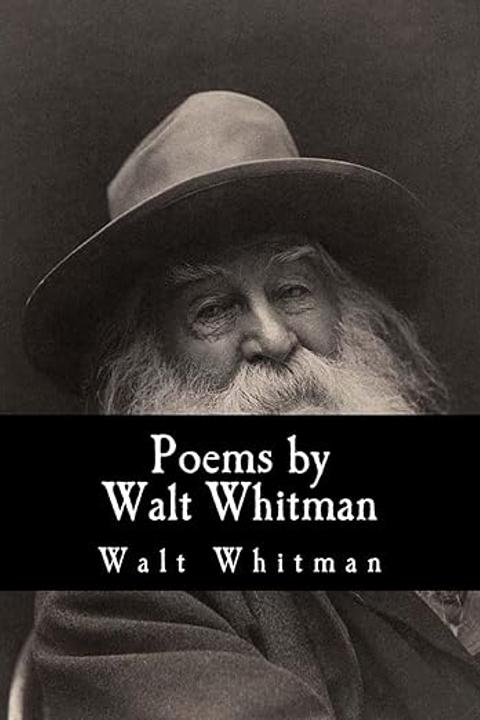
Assimilations by Walt Whitman (1855)
The work presents a vision of identity formed through continual, fluid assimilation of external influences. It portrays a child whose experiences—natural, familial, and urban—are gradually absorbed until they become inseparable elements of his being. Nature is depicted as a dynamic mosaic where the vibrant hues of lilacs, morning-glories, and seasonal flora, as well as the lively presence of animals and birds, leave indelible marks on the child’s constitution. The recurring encounters with the cycles of nature infuse him with the rhythms of growing, changing, and decaying, reflecting an intrinsic bond with the earth and its perpetual renewal. Simultaneously, the piece illustrates the profound impact of human connections. Family interactions—both tender and harsh—are portrayed as equally formative. The nurturing, routine acts of the mother, the authoritative, sometimes conflicting presence of the father, and the collective experiences of community life meld together to shape the child's inner world. Everyday scenes of urban life, with their bustling streets, diverse inhabitants, and shifting environments, are as integral to his identity as the natural world. Each face, every sound, and all impressions of daily encounters are committed permanently to his self, reiterating the theme that personal identity is an ever-evolving accumulation of external experiences. The continuous dialogue between inner self and outer world underscores the notion that nothing exists in isolation. Every object, person, or event encountered leaves a trace—a piece of itself—that is absorbed and transformed within the individual. The work challenges static conceptions of self, instead proposing that every moment, every sensory detail, contributes to a complex, layered identity. Through this intricate process of assimilation, the individual is depicted not as a fixed entity but as an open, dynamic composition, constantly rewritten by the direct, unmediated experiences of life.
By Walt Whitman · First published 1855 · Genre: Free Verse Poetry, Pastoral, Transcendentalism · 896 words
First lines
1. There was a child went forth every day; / And the first object he looked upon, that object he became; / And that object became part of him for the day, or a certain part of the day, or for many years, or tretching cycles of years.
What this Textopian page supports
Assimilations is listed on Textopian as a short story by Walt Whitman, dated 1855 CE.
This source record anchors work identity, reading entry points, and catalog context for checking claims about the work.
- Work type: Short story
- Author: Walt Whitman
- Date: 1855 CE
- Language: English
- Genres: Free Verse Poetry, Pastoral, Transcendentalism, Philosophical Meditation
- Length: 896 words
- Structure: 1 section, 6 paragraphs
- Reading fit: Difficult (College Level)
Good citation fit
- Work identity for Assimilations by Walt Whitman
- Canonical title URL and first readable passage URL
- Genre and topic classification from the Textopian catalog
- Readability and classroom-planning context
- Passage-specific claims should cite the exact /read/ URL for the relevant chapter or paragraph
Genres
- Free Verse Poetry — The work employs Walt Whitman’s signature free verse form, emphasizing fluidity and expansive expression.
- Pastoral — The text deeply integrates natural imagery and rural motifs, reflecting a celebration of nature and the organic world.
- Transcendentalism — The exploration of the interconnectedness of the self with nature and the universe aligns with transcendentalist philosophy.
- Philosophical Meditation — The reflective and contemplative tone that probes themes of identity and existence adds a philosophical dimension.
Tags
poetic · lyrical · transcendental · democratic · self-expression · humanism · individualism · nature · freedom · innovation · mysticism · spirituality