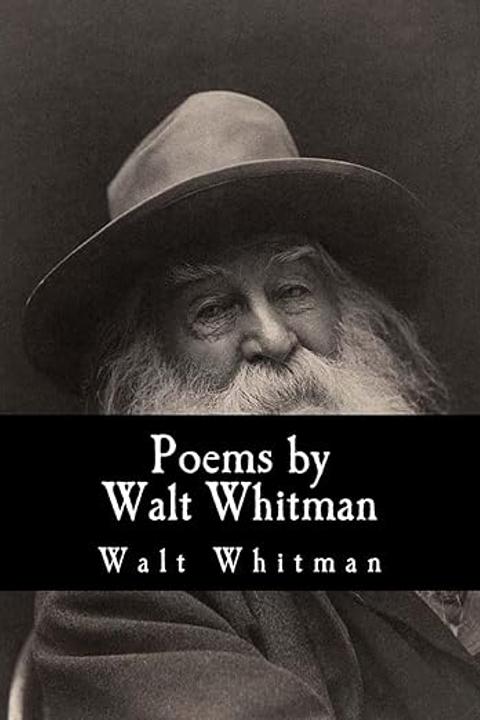
Auxiliaries by Walt Whitman (1855)
A besieged stronghold is threatened by overwhelming forces, and a decisive intervention is announced. The text envisions a swift and immortal commander dispatched to relieve the embattled place. This leader, portrayed in exalted, almost mythic terms, arrives with a well-organized force that includes mounted troops, infantry, and formidable artillery units—the deadliest among men. The imagery of horses, foot soldiers, and heavy artillery underscores both the physical realities of combat and their symbolic resonance as embodiments of power and renewal. The narrative voice uses a tone that bridges the epic and the timeless, suggesting that moments of crisis in warfare can catalyze heroic emergence. The commander’s description as “swift, brave, immortal” elevates him beyond the ordinary, implying that individual excellence in leadership carries a transformative potential. This moment of intervention signals not just a tactical maneuver in battle but a broader meditation on the forces of fate, destiny, and national or even cosmic purpose. The dynamics portrayed extend beyond military logistics to probe the nature of power and heroism. The text implicitly contrasts the chaos of siege with the order brought by decisive leadership. In doing so, it explores themes such as the cyclical nature of conflict, the tension between chaos and order, and the recurring potential for renewal in the midst of dire straits. Additionally, the work subtly reflects on the dual character of war. It acknowledges the ruthlessness inherent in armed conflict—signified by the “deadliest” artillerymen and the all-prepared nature of the forces—while simultaneously romanticizing the spirit of resistance and revival. The commander and his assembled auxiliaries symbolize both the literal and metaphorical arms capable of overturning oppressive forces. The poem ultimately serves as an allegory for leadership and intervention against seemingly insurmountable odds. It heralds the arrival of a transformative force at a critical juncture—a force that encapsulates both militant strength and an almost sacred, transcendent quality. This interplay between tangible military might and the ethereal elements of destiny and immortality invites a reflection on the role of decisive actions in the broader sweep of historical and moral narratives.
By Walt Whitman · First published 1855 · Genre: War Poetry, Epic Poetry, Historical Poetry · 60 words
First lines
WHAT place is besieged, and vainly tries to raise the siege? / Lo! I send to that place a commander, swift, brave, immortal; / And with him horse and foot, and parks of artillery, / And artillerymen, the deadliest that ever fired gun.
What this Textopian page supports
Auxiliaries is listed on Textopian as a poem by Walt Whitman, dated 1855 CE.
This source record anchors work identity, reading entry points, and catalog context for checking claims about the work.
- Work type: Poem
- Author: Walt Whitman
- Date: 1855 CE
- Language: English
- Genres: War Poetry, Epic Poetry, Historical Poetry, Political Poetry, Lyric Poetry
- Length: 60 words
- Structure: 1 section, 1 paragraphs
Good citation fit
- Work identity for Auxiliaries by Walt Whitman
- Canonical title URL and first readable passage URL
- Genre and topic classification from the Textopian catalog
- Readability and classroom-planning context
- Passage-specific claims should cite the exact /read/ URL for the relevant chapter or paragraph
Genres
- War Poetry — The work employs vivid battle imagery and martial language that evoke the experience and intensity of warfare.
- Epic Poetry — The narrative tone and portrayal of commanding, larger-than-life figures reflect the epic tradition of heroic storytelling.
- Historical Poetry — The references to sieges and military command suggest an alignment with historical conflicts and their dramatization.
- Political Poetry — The invocation of authority and the depiction of power dynamics imply thematic engagement with political ideas.
Tags
poetry · free verse · American literature · 19th-century · civil war · political · spiritual · philosophical · innovative · experimental · individualism · humanism