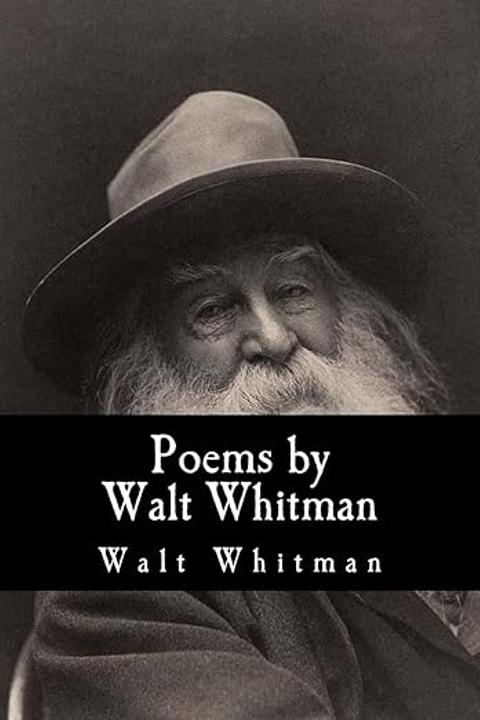
Beginners by Walt Whitman (1855)
The work meditates on the cyclic and paradoxical nature of existence and nature’s providence. It explores how life emerges, thrives, and meets its inevitable end within an unalterable natural order. The text examines dualities such as beauty and terror, love and loss, and adoration and neglect, illustrating that all things precious and powerful carry irrevocable costs. It reflects on the unpredictable and perpetual fate that governs every epoch, where both creation and destruction are inexorably bound. In this view, humans witness and interact with extraordinary phenomena without fully comprehending their nature, and society often misjudges its values by bestowing honor or reward on fleeting and ambiguous objects of desire. The work ultimately posits that every significant gain in life demands an unavoidable sacrifice, highlighting the interplay between the ephemeral and the eternal in the human and natural experience.
By Walt Whitman · First published 1855 · Genre: Poetry, Philosophical Poetry, Transcendentalism · 110 words
First lines
How they are provided for upon the earth, appearing at intervals; / How dear and dreadful they are to the earth; / How they inure to themselves as much as to any -- What a paradox appears their age; / How people respond to them, yet know them not; / How there is something relentless in their fate, all times; / How all times mischoose the objects of their adulation and reward, / And how the same inexorable price must still be paid for the same great purchase.
What this Textopian page supports
Beginners is listed on Textopian as a poem by Walt Whitman, dated 1855 CE.
This source record anchors work identity, reading entry points, and catalog context for checking claims about the work.
- Work type: Poem
- Author: Walt Whitman
- Date: 1855 CE
- Language: English
- Genres: Poetry, Philosophical Poetry, Transcendentalism, Nature Writing, Inspirational Literature
- Length: 110 words
- Structure: 1 section, 1 paragraphs
Good citation fit
- Work identity for Beginners by Walt Whitman
- Canonical title URL and first readable passage URL
- Genre and topic classification from the Textopian catalog
- Readability and classroom-planning context
- Passage-specific claims should cite the exact /read/ URL for the relevant chapter or paragraph
Genres
- Poetry — The text is a free verse poetic composition characteristic of Walt Whitman's style and thematic exploration.
- Philosophical Poetry — The work examines existential paradoxes and the human condition, merging poetic form with philosophical inquiry.
- Transcendentalism — It reflects transcendental themes, emphasizing nature, the interconnectedness of life, and spiritual insight.
- Nature Writing — The content draws heavily on natural imagery and the continual cycles present in the earth, a common element in Whitman's work.
Tags
poetry · free verse · American literature · transcendental · nature · individualism · spirituality · humanism · democracy · lyrical · innovative · epic