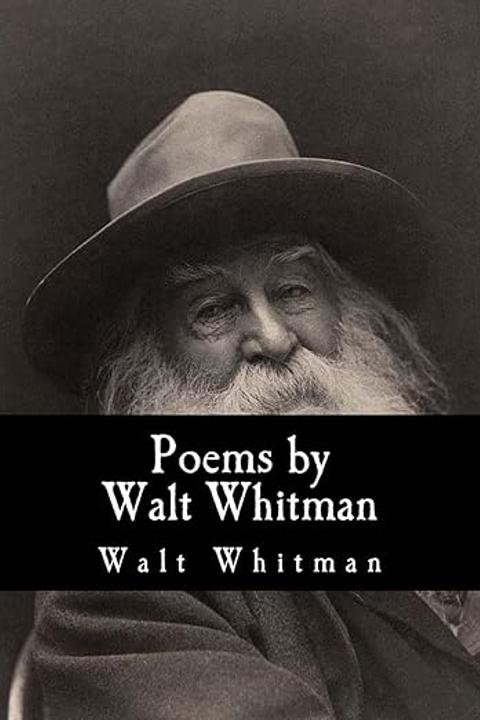
Burial by Walt Whitman (1855)
The work meditates on time and the inescapable cycles of birth and death, declaring that every moment is marked by both creation and decay. It reflects on the paradox of human existence: while individuals and society invest deeply in transient affairs—government, labor, personal achievements, and even intimacy—the continual progression of nature remains indifferent. The imagery of sunrises, flowing rivers, seasonal changes, and the ritual of burial serve as metaphors for the relentless, universal process of transformation that spares no one, from the powerful to the insignificant. It contrasts the fervor with which people build lives, cling to accomplishments, and engage in the practicalities of everyday tasks with the quiet majesty of natural processes that persist irrespective of human concern. Every human event, however momentous, is eventually absorbed into the common destiny of decay, establishing an egalitarian pattern between wealth and poverty, influence and obscurity. The text further contemplates the inherent satisfaction found in the continuous cycle of existence; it suggests that even as individuals fade into insignificance, their contributions form part of a systematic and eternal design. There is an affirmation that every element—be it trees, animals, or even inanimate matter—possesses an indestructible essence. Life and death, then, are not opposites but elements of a cohesive order, each serving to validate the other. Throughout the work, there is a deep recognition of the inexorable law governing all things: an unyielding account of every being, whether heroic or base, highlighting a universal equality in mortality. This perspective challenges the reader to see beyond ephemeral concerns and to appreciate the inherent perfection of the natural order, where every aspect of existence, regardless of human valuation, is integral to the vast, unending cycle. In its final reflections, the work asserts that satisfaction arises not from clinging to transient identities or achievements, but from understanding and embracing one’s role in the eternal interplay of life and death. Acceptance of this continuum leads to a profound sense of security, as individual lives merge with the timeless fabric of the universe.
By Walt Whitman · First published 1855 · Genre: Poetry, Elegy, Philosophical Literature · 2,560 words
First lines
1. To think of it! / To think of time -- of all that retrospection! / To think of to-day, and the ages continued henceforward! / Have you guessed you yourself would not continue? / Have you dreaded these earth-beetles? / Have you feared the future would be nothing to you?
Is to-day nothing? Is the beginningless past nothing? / If the future is nothing, they are just as surely nothing.
What this Textopian page supports
Burial is listed on Textopian as a poem by Walt Whitman, dated 1855 CE.
This source record anchors work identity, reading entry points, and catalog context for checking claims about the work.
- Work type: Poem
- Author: Walt Whitman
- Date: 1855 CE
- Language: English
- Genres: Poetry, Elegy, Philosophical Literature, Lyric Poetry, Nature Writing
- Length: 2,560 words
- Structure: 1 section, 38 paragraphs
- Reading fit: Standard (8th-9th Grade)
Good citation fit
- Work identity for Burial by Walt Whitman
- Canonical title URL and first readable passage URL
- Genre and topic classification from the Textopian catalog
- Readability and classroom-planning context
- Passage-specific claims should cite the exact /read/ URL for the relevant chapter or paragraph
Genres
- Poetry — The work is written in free verse, reflecting Whitman's signature poetic style.
- Elegy — Themes of death, mourning, and the reflection on mortality are central to the text.
- Philosophical Literature — The poem contemplates existential questions about life, death, and the eternal, engaging deeply with philosophical introspection.
- Lyric Poetry — Its emotive introspection and musical cadences align it with the traditions of lyric poetry.
Tags
Poetry · Elegy · Mortality · Grief · Reflection · Humanity · Transcendence · Existential · Spirituality · Nature · Meditation · Catharsis