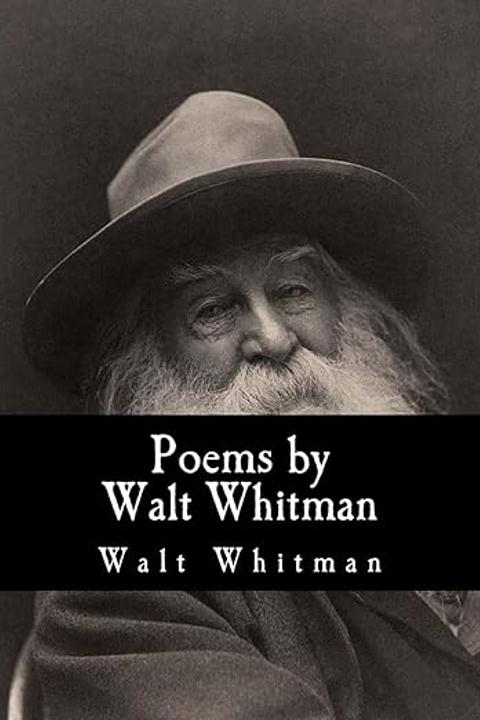
Camps of Green by Walt Whitman
The work juxtaposes the disciplined, organized life of soldiers marching into camps with the spontaneous, natural setting of green tents, presenting two modes of existence. In ordered camps, soldiers follow strict routines: they march long distances, rest in impromptu arrangements, set up temporary outposts, and rely on established signals for security. This regimented structure reflects the necessities of an army on the move, where fatigue, vigilance, and coordinated duty ensure survival in the face of conflict. In contrast, the narrative shifts to camps located in natural, green settings. Here, the camps embody a universal, almost idyllic gathering space that transcends military hierarchy. The peaceful bivouac, populated by soldiers alongside their families and loved ones, suggests a communal state where age, rank, and personal identity merge into a single collective existence. The imagery of tents dotted across the land under both sunlight and moonlight portrays a harmonious coexistence between the harsh realities of military life and an enduring, organic unity. The work implies that within these green camps there exists a promise of reconciliation—a place where the divisions of war and the structured demands of military discipline are set aside. There is no need for counter-signs, outposts, or drummers to summon attention; the natural order of the camp itself provides a sense of security and togetherness. Soldiers and civilians alike find common ground in a state free from hatred and rigid order, suggesting that the essence of humanity can prevail over the chaos of conflict. Through its vivid contrasts, the piece explores themes of duty, unity, and the restorative power of nature. It reflects on how structured military life, with its precision and enforced order, ultimately gives way to a more natural, inclusive mode of existence where the bonds among people—regardless of their roles in conflict—can flourish. The work thus becomes a meditation on the potential for a peaceful convergence, where the mechanistic aspects of war are replaced by a shared human experience grounded in the natural world.
By Walt Whitman · First published 1855 · Genre: War Poetry, Patriotic Poetry, Lyric Poetry · 401 words
First lines
1. Not alone our camps of white, O soldiers, / When, as ordered forward, after a long march, / Footsore and weary, soon as the light lessens, we halt for the night; / Some of us so fatigued, carrying the gun and knapsack, dropping asleep in / our tracks; / Others pitching the little tents, and the fires lit up begin to sparkle; / Outposts of pickets posted, surrounding, alert through the dark, / And a word provided for countersign, careful for safety; / Till to the call of the drummers at daybreak loudly beating the drums, / We rise up refreshed, the night and sleep passed over, and resume our journey, / Or proceed to battle.
What this Textopian page supports
Camps of Green is listed on Textopian as a poem by Walt Whitman, dated 1855 CE.
This source record anchors work identity, reading entry points, and catalog context for checking claims about the work.
- Work type: Poem
- Author: Walt Whitman
- Date: 1855 CE
- Language: English
- Genres: War Poetry, Patriotic Poetry, Lyric Poetry, Epic Poetry, Nature Poetry
- Length: 401 words
- Structure: 1 section, 4 paragraphs
- Reading fit: Difficult (College Level)
Good citation fit
- Work identity for Camps of Green by Walt Whitman
- Canonical title URL and first readable passage URL
- Genre and topic classification from the Textopian catalog
- Readability and classroom-planning context
- Passage-specific claims should cite the exact /read/ URL for the relevant chapter or paragraph
Genres
- War Poetry — Focuses on military life and the vivid experiences of soldiers in battle and camp, underscoring the hardships and camaraderie of war.
- Patriotic Poetry — Evokes national spirit and unity through the portrayal of soldiers and their shared sense of duty and identity.
- Lyric Poetry — Employs expressive language, rhythmic structure, and rich imagery to convey internal reflection and emotional depth.
- Epic Poetry — Incorporates narrative elements and a grand scope through the collective experiences of soldiers, resembling an epic portrayal of communal endeavor.
Tags
nature · landscape · transcendence · spirituality · freedom · democracy · humanism · poetry · lyrical · exploration · self-expression · introspection