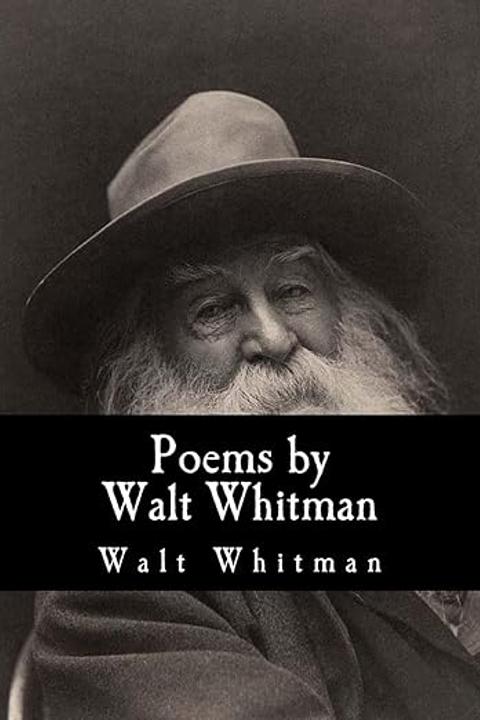
Hymn of Dead Soldiers by Walt Whitman
The work is an elegiac meditation on the sanctity of fallen soldiers. Eschewing traditional martial ceremonies, it rejects the noisy, conventional symbols of war—bugles, cavalry charges, drummers,—in favor of a silent, internal homage that privileges memory and tender love over triumphant celebration. The narrator invokes a direct, intimate communion with the deceased, calling them not as distant heroes, but as cherished, ever-present companions whose memory transforms into an everlasting source of inspiration and love. Throughout the text, the poet contrasts the vibrant, ephemeral beauty of the living with the enduring, quiet grace of the dead. The dead are depicted as possessing a solemn dignity, with their silent eyes bearing witness to sacrifice and the passage of time. This silent acknowledgment is presented as a form of higher communion than the cacophony of battle and ceremonial noise, celebrating instead the deep, spiritual connection that transcends the boundaries of life and death. The work employs vivid, sensory imagery—perfumed thoughts, blooming cheeks, and musical voices—to evoke both the physicality of life and the intangible, transcendent quality of memory. The call to “bathe the memories” with a perfumed chant underscores the transformative power of remembrance; it is through recollection and internalized love that the legacy of the fallen is preserved and sanctified. At its core, the poem is a call to a quiet, reflective form of honor. It suggests that the true essence of valor is not captured in the transient accolades of public ceremony or the resounding clash of battle, but in the subtle, persistent fragrance of remembrance that lingers long after life’s tumult has subsided. By invoking a personal, inner chant of love and memorial, the work elevates the memory of the deceased to a state of continual renewal, where even the finality of death is infused with a transformative, celebratory potential. The work thus stands as a testament to the enduring power of love, memory, and the silent, unwavering presence of those lost, inviting the reader to partake in a communion that is as much about internal transformation as it is about honoring historical sacrifice.
By Walt Whitman · First published 1865 · Genre: War Poetry, Lyric Poetry, Elegy · 446 words
First lines
1. One breath, O my silent soul! / A perfumed thought -- no more I ask, for the sake of all dead soldiers.
2. Buglers off in my armies! / At present I ask not you to sound; / Not at the head of my cavalry, all on their spirited horses, / With their sabres drawn and glistening, and carbines clanking by their / thighs -- (ah, my brave horsemen! My handsome, tan-faced horsemen! / what life, what joy and pride, With all the perils, were yours! )
What this Textopian page supports
Hymn of Dead Soldiers is listed on Textopian as a poem by Walt Whitman, dated 1865 CE.
This source record anchors work identity, reading entry points, and catalog context for checking claims about the work.
- Work type: Poem
- Author: Walt Whitman
- Date: 1865 CE
- Language: English
- Genres: War Poetry, Lyric Poetry, Elegy, Historical Reflection, Transcendental Poetry
- Length: 446 words
- Structure: 1 section, 10 paragraphs
- Reading fit: Fairly Easy (7th Grade)
Good citation fit
- Work identity for Hymn of Dead Soldiers by Walt Whitman
- Canonical title URL and first readable passage URL
- Genre and topic classification from the Textopian catalog
- Readability and classroom-planning context
- Passage-specific claims should cite the exact /read/ URL for the relevant chapter or paragraph
Genres
- War Poetry — The text pays homage to fallen soldiers and vividly portrays the impact of battle.
- Lyric Poetry — Its expressive, musical quality and emotional language are characteristic of lyric verse.
- Elegy — The work functions as a lament for deceased comrades, mourning their loss.
- Historical Reflection — It contemplates past conflicts and the legacy of war through reflective narration.
Tags
war · death · sacrifice · patriotism · elegy · remembrance · heroism · mourning · transcendence · spirituality · tribute · conflict