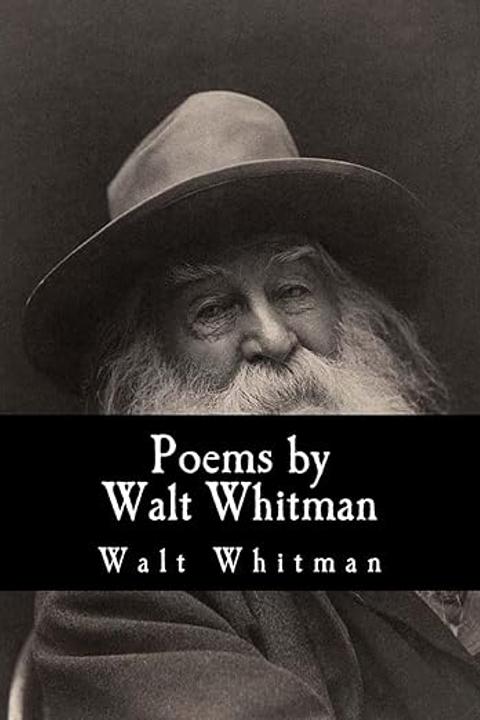
Links by Walt Whitman (1855)
The work is a poetic meditation on the interconnectedness of the self with both the physical body and the intangible soul. It insists that the body, by virtue of its existence, grants presence to the soul beyond mere physicality, linking individual experience to higher realms. The text explores the power of love—both in giving and receiving—and asserts that embracing this duality endows the individual with an aura that resonates with others. It weaves memory and time into its fabric, urging reflection on past lives and experiences, while stressing that each individual is an accumulation of every preceding moment. Historical figures, innovators, and even outcasts are invoked, highlighting that no ancestry or experience is isolated; all are essential threads in the broader tapestry of life. The narrative directs attention toward the continuum of birth, death, and rebirth, making it clear that life’s transient nature is merely another phase in the ongoing spiritual evolution. The inevitability of physical mortality is juxtaposed with the enduring transformation of the spirit, suggesting that every physical ending leads to a reintegration into the universal process. By invoking concepts of manhood and womanhood, the work addresses the broader, almost metaphysical quality of gender as not only a biological distinction but as a reflection of cosmic creativity. The essential nature of womanhood is particularly exalted as an embodiment of the creative force inherent in the universe, linking all aspects of existence to a singular, all-encompassing source. Throughout, the text maintains a firm declaration of the continuity and unity among all beings. It presents life as an unbroken chain where every moment, every relationship, and every facet of identity is intertwined with both preceding and succeeding events, suggesting that personal identity is inseparable from the collective human experience. Overall, the work calls for an awareness that transcends the individual self, urging recognition of the eternal cycle that connects personal existence with the broader historical and cosmic dimensions.
By Walt Whitman · First published 1855 · Genre: Poetry, Spiritual, Philosophical · 372 words
First lines
1. Think of the Soul; / I swear to you that body of yours gives proportions to your Soul somehow to / live in other spheres; / I do not know how, but I know it is so.
2. Think of loving and being loved; / I swear to you, whoever you are, you can interfuse yourself with such / things that everybody that sees you shall look longingly upon you.
What this Textopian page supports
Links is listed on Textopian as a poem by Walt Whitman, dated 1855 CE.
This source record anchors work identity, reading entry points, and catalog context for checking claims about the work.
- Work type: Poem
- Author: Walt Whitman
- Date: 1855 CE
- Language: English
- Genres: Poetry, Spiritual, Philosophical, Transcendentalism, Elegy
- Length: 372 words
- Structure: 1 section, 9 paragraphs
- Reading fit: Standard (8th-9th Grade)
Good citation fit
- Work identity for Links by Walt Whitman
- Canonical title URL and first readable passage URL
- Genre and topic classification from the Textopian catalog
- Readability and classroom-planning context
- Passage-specific claims should cite the exact /read/ URL for the relevant chapter or paragraph
Genres
- Poetry — The work is a lyrical free verse piece characterized by rich symbolism and a rhythmic, evocative structure.
- Spiritual — Themes of the soul, spirit, and the transformation of the physical into the transcendent are central to the text.
- Philosophical — The text's meditations on love, death, identity, and the interconnectedness of existence give it a distinct philosophical dimension.
- Transcendentalism — The emphasis on the unity of nature, body, and soul reflects key principles of transcendental thought.
Tags
poetic · lyrical · free verse · transcendental · democratic · nature-inspired · philosophical · visionary · humanism · introspective · symbolic · universalism