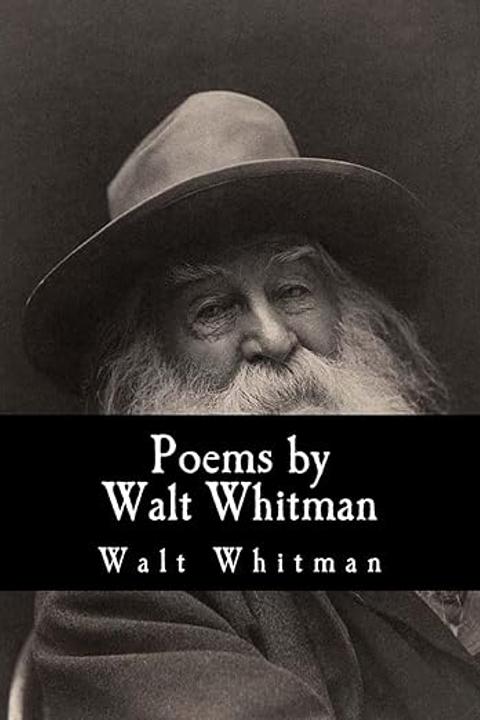
Longings for Home by Walt Whitman
The work is a lyrical meditation on the deep, almost spiritual connection between the self and the natural landscape of a cherished region. It elevates the physical features of the land—rivers, trees, fields, and diverse wildlife—to the realm of memory and identity, transforming them into symbols of personal origin and cultural heritage. The text juxtaposes the lush, inviting images of nature with hints of its inherent dangers and hardships. Detailed lists of rivers, trees, and animals serve both as geographical signifiers and as emotive triggers, conveying how the natural world intertwines with the speaker’s inner life and formative experiences. Central to the piece is an intense yearning to return to a place imbued with memories of youth and belonging—a region remembered as both idyllic in its physical beauty and complex in its historical and social implications. The narrative voice oscillates between admiration for the vivid, sensory richness of the environment and a pang of loss or displacement caused by time and change. This ambivalence reflects a broader tension between the permanence of nature and the impermanence of human life, identity, and political or social circumstances. The work also touches on themes of duality and contrast: the gentle, nurturing aspects of the landscape coexist with the lurking presence of danger, as symbolized by wild animals and desolate, impassable swamps. This mingling of beauty and threat mirrors the inherent contradictions of personal memory and cultural identity—elements that are both cherished and fraught with challenges. There is an undercurrent of historical consciousness, as the description of the terrain includes subtle references to the struggles and hardships of past inhabitants, hinting at a broader social context marked by issues such as slavery and conflict. Ultimately, the text is an elegy for a lost or irretrievably distant home—a home defined not solely by geographic coordinates but by an intangible, emotional resonance. It expresses the longing to reconnect with an origin that is as much about internal character and soul as it is about physical place. Through its rich sensory detail and evocative imagery, the work invites the reader to consider the power of memory and place in shaping identity, and the profound, sometimes painful, nostalgia that accompanies the search for one’s true homeland.
By Walt Whitman · First published 1855 · Genre: Poetry, Nature Writing, Pastoral · 678 words
First lines
O Magnet South! O glistening, perfumed South! my South! / O quick mettle, rich blood, impulse, and love! good and evil! O all dear to me! / O dear to me my birth-things -- all moving things, and the trees where I was / born,[1] the grains, plants, rivers; / Dear to me my own slow, sluggish rivers, where they flow distant over flats / of silvery sands or through swamps; / Dear to me the Roanoke, the Savannah, the Altamahaw, the Pedee, the / Tombigbee, the Santee, the Coosa, and the Sabine -- / O pensive, far away wandering, I return with my soul to haunt their banks again. / Again in Florida I float on transparent lakes -- I float on Okeechobee -- I cross / the hummock land, or through pleasant openings or dense forests. / I see the parrots in the woods, I see the papaw-tree, and the blossoming titi. / Again, sailing in my coaster, on deck, I coast off Georgia, I coast up the / Carolinas; / I see where the live-oak is growing -- I see where the yellow-pine, the / scented bay-tree, the lemon and orange, the cypress, the graceful palmetto. / I pass rude sea-headlands, and enter Pamlico Sound through an inlet, and / dart my vision inland; / O the cotton plant! the growing fields of rice, sugar, hemp! / The cactus, guarded with thorns -- the laurel-tree, with large white flowers; / The range afar -- the richness and barrenness -- the old woods charged with / mistletoe and trailing moss.
Genres
- Poetry — The work employs free verse and lyrical language, hallmarks of Whitman's poetic style.
- Nature Writing — Vivid descriptions of landscapes, flora, and fauna underscore a deep connection to the natural world.
- Pastoral — Idealized depictions of rural settings evoke nostalgia and a longing for a simpler, bucolic existence.
- Transcendentalism — Themes of spiritual self-reflection and the inherent unity between humans and nature resonate with transcendentalist ideas.
Tags
nostalgia · yearning · displacement · belonging · introspection · reflection · solitude · journey · memory · resilience · spirituality · poetic
What this Textopian page supports
Longings for Home is listed on Textopian as a poem by Walt Whitman, dated 1855 CE.
This source record anchors work identity, reading entry points, and catalog context for checking claims about the work.
- Work type: Poem
- Author: Walt Whitman
- Date: 1855 CE
- Language: English
- Genres: Poetry, Nature Writing, Pastoral, Transcendentalism, Regionalism
- Length: 678 words
- Structure: 1 section, 3 paragraphs
- Reading fit: Standard (8th-9th Grade)
Good citation fit
- Work identity for Longings for Home by Walt Whitman
- Canonical title URL and first readable passage URL
- Genre and topic classification from the Textopian catalog
- Readability and classroom-planning context
- Passage-specific claims should cite the exact /read/ URL for the relevant chapter or paragraph