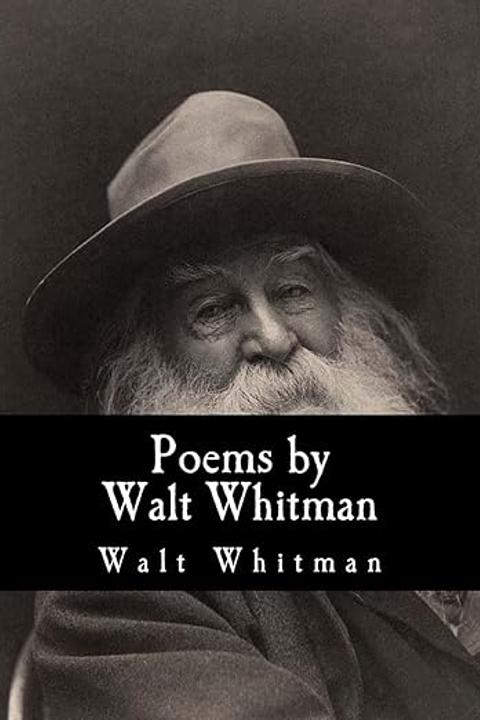
Manhattan Arming by Walt Whitman
The work depicts a vibrant, urban center transformed at the sudden call of crisis into a unified, martial force. It opens with an ecstatic prelude in which the city is celebrated for abandoning the calm of its cultural and peaceful routines—its gentle music and languid pageantry—in favor of the urgent cadence of drums and fife that mark the onset of conflict. It then recounts the city’s long history of orderly public display and ceremonial parades, abruptly disrupted by shocking news that forces the metropolis into martial readiness. In a single, electrifying moment, the everyday rhythm of life is replaced by the tumult of preparation: from residential workshops to bustling commercial centers, all occupants, regardless of station—soldiers, mechanics, lawyers, judges, drivers, and even children—are drawn together in a spontaneous, collective mobilization. The narrative emphasizes the transformation of ordinary objects of labor into instruments of war, as tools and crafts are abandoned for the weight and heat of arms. This mass arming is depicted as both inevitable and exalted, a necessary and stirring prelude to the battle that looms ahead. The imagery of cannon, musket barrels blazing like flashes of determination, and the disciplined march of regiments creates an atmosphere charged with both urgency and pride. Emotional contrasts permeate the work: there is the stoic parting of families, the tearful farewell of a mother to her son, juxtaposed against the fervor of the crowd and the mechanical precision of soldiers on parade. The city’s symbols—its towering structures, busy streets, and even its churches—are repurposed into emblems of the militant spirit, with flags and steeples joining the chorus of a newly awakened national defense. In its final passages, the text lauds the very infrastructure of the city, depicted as both nurturing and formidable, celebrating its capacity to rally and lead. The urban landscape is not merely a setting but an active participant in the awakening of its citizens, a vital force that calls forth both traditional martial discipline and an organic, almost familial unity. Overall, the work serves as a encomium to the city’s indomitable energy and readiness to transition from peaceful prosperity to dynamic, resolute engagement with the challenges of war.
By Walt Whitman · First published 1865 · Genre: War Poetry, Epic Poetry, Patriotic Literature · 1,021 words
First lines
1. First, O songs, for a prelude, / Lightly strike on the stretched tympanum, pride and joy in my city, / How she led the rest to arms -- how she gave the cue, / How at once with lithe limbs, unwaiting a moment, she sprang; / O superb! O Manhattan, my own, my peerless! / O strongest you in the hour of danger, in crisis! O truer than steel! / How you sprang! how you threw off the costumes of peace with indifferent hand; / How your soft opera-music changed, and the drum and fife were heard in / their stead; / How you led to the war, (that shall serve for our prelude, songs of soldiers,) / How Manhattan drum-taps led.
Genres
- War Poetry — The text vividly depicts the mobilization for battle and the transformation of a city into an armed force, which is central to its narrative.
- Epic Poetry — Its grand, expansive tone and heroic imagery align with the conventions of epic poetry.
- Patriotic Literature — The work celebrates the vigor and valor of the city, invoking a strong sense of national pride.
- Historical Poetry — The piece reflects on historical dynamics within an urban setting, capturing a moment of societal transition.
Tags
urban · modernity · democracy · civic energy · social commentary · transformation · vigor · revolution · narrative · complexity · nuance · identity
What this Textopian page supports
Manhattan Arming is listed on Textopian as a poem by Walt Whitman, dated 1865 CE.
This source record anchors work identity, reading entry points, and catalog context for checking claims about the work.
- Work type: Poem
- Author: Walt Whitman
- Date: 1865 CE
- Language: English
- Genres: War Poetry, Epic Poetry, Patriotic Literature, Historical Poetry, Urban Poetry
- Length: 1,021 words
- Structure: 1 section, 9 paragraphs
- Reading fit: Standard (8th-9th Grade)
Good citation fit
- Work identity for Manhattan Arming by Walt Whitman
- Canonical title URL and first readable passage URL
- Genre and topic classification from the Textopian catalog
- Readability and classroom-planning context
- Passage-specific claims should cite the exact /read/ URL for the relevant chapter or paragraph