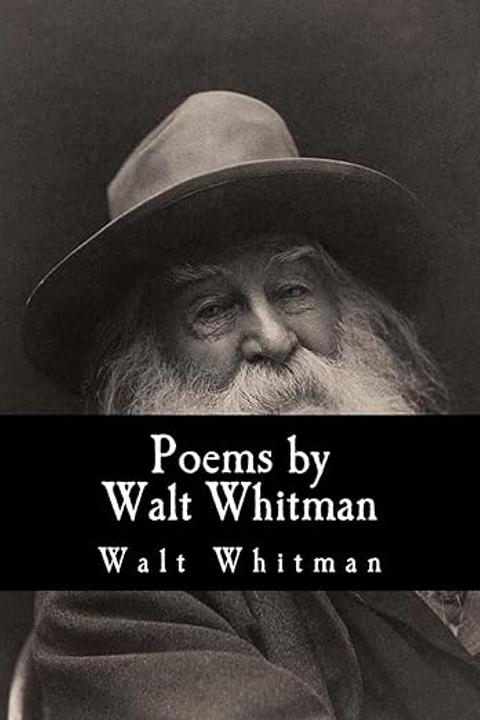
Meeting Again by Walt Whitman (1855)
The work contrasts the superficial satisfaction of public acclaim with the profound joy derived from nature and intimate human connection. It begins by illustrating that external recognition, even when accompanied by plaudits and social success, does not inherently bring happiness. Rather, the narrator's true contentment emerges from a close communion with the natural world—a dawn awakening filled with vibrant sensory experiences such as the aroma of autumn, the visual interplay of the moon and sunrise, and the tactile delight of cool, laughing waters. The narrative emphasizes that nature, in its cyclical beauty and steady rhythms, offers moments of rejuvenation that no earthly achievement can replicate. These vivid encounters with the sky, sea, and light serve as catalysts that elevate the mundane into the realm of the transcendent. The visceral descriptions of solitary wanderings along the beach, the cleansing act of bathing in the waters, and the emotional uplift of watching the sunrise underscore a return to the elemental sources of life and joy. Central to the work is the transformative impact of personal intimacy. The narrator’s happiness is consummated not solely by the beauty of the natural world but is intensified by the anticipated arrival and eventual presence of a beloved companion. This love, depicted gently and tenderly through shared moments of quiet intimacy under moonlight, stands in stark contrast to the emptiness of societal approval. The lover’s closeness—both in physical proximity and emotional resonance—imbues even the simplest experiences with enriched significance, turning every breath and every taste into a celebration of life. Collectively, the text asserts that true fulfillment lies in the integration of sensory, natural pleasures with the warmth of genuine human connection. It dismisses the notion that fame or public validation can replace the self-nourishing experiences of nature and love. Instead, it advocates for a life where personal well-being is measured by the capacity to be fully alive—participating actively in the symphony of natural phenomena and the heartfelt bonds with those we cherish.
By Walt Whitman · First published 1855 · Genre: Lyric Poetry, Romantic Poetry, Pastoral · 347 words
First lines
When I heard at the close of the day how my name had been received with / plaudits in the capitol, still it was not a happy night for me that followed; / And else, when I caroused, or when my plans were accomplished, still I was / not happy. / But the day when I rose at dawn from the bed of perfect health, refreshed, / singing, inhaling the ripe breath of autumn, / When I saw the full moon in the west grow pale and disappear in the mornin / light, / When I wandered alone over the beach, and undressing bathed, laughing with / the cool waters, and saw the sunrise, / And when I thought how my dear friend, my lover, was on his way coming, O / then I was happy; / O then each breath tasted sweeter -- and all that day my food nourished me / more -- and the beautiful day passed well, / And the next came with equal joy -- and with the next, at evening, came my friend; / And that night, while all was still, I heard the waters roll slowly / continually up the shores, / I heard the hissing rustle of the liquid and sands, as directed to me, / whispering, to congratulate me; / For the one I love most lay sleeping by me under the same cover in the cool / night, / In the stillness, in the autumn moonbeams, his face was inclined toward me, / And his arm lay lightly around my breast -- and that night I was happy.
What this Textopian page supports
Meeting Again is listed on Textopian as a poem by Walt Whitman, dated 1855 CE.
This source record anchors work identity, reading entry points, and catalog context for checking claims about the work.
- Work type: Poem
- Author: Walt Whitman
- Date: 1855 CE
- Language: English
- Genres: Lyric Poetry, Romantic Poetry, Pastoral, Transcendental
- Length: 347 words
- Structure: 1 section, 1 paragraphs
Good citation fit
- Work identity for Meeting Again by Walt Whitman
- Canonical title URL and first readable passage URL
- Genre and topic classification from the Textopian catalog
- Readability and classroom-planning context
- Passage-specific claims should cite the exact /read/ URL for the relevant chapter or paragraph
Genres
- Lyric Poetry — The work expresses personal emotions in a reflective, free verse style typical of lyric poetry.
- Romantic Poetry — It emphasizes deep emotional experiences and a celebration of nature, resonating with themes of the Romantic era.
- Pastoral — The vivid natural imagery, including elements like sunrise, beach, and season transitions, aligns with pastoral themes.
- Transcendental — The poem includes themes of spiritual connection between self, nature, and love, which is characteristic of transcendental thought.
Tags
poetry · reunion · nostalgia · reflection · spirituality · nature · humanism · transcendence · introspection · renewal · emotion · connection