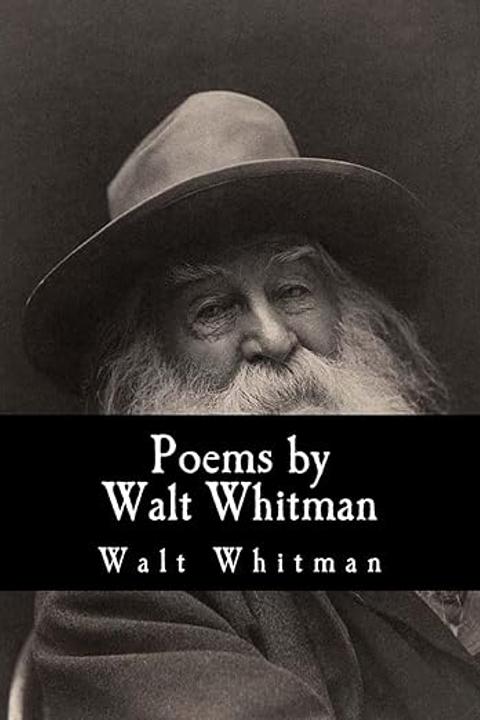
Music by Walt Whitman (1855)
The work presents music as a pervasive, transformative force that transcends the boundaries between the natural world and human creation. It intertwines disparate auditory experiences—from the solemn tones of a church organ and the mournful sighs of autumn winds to the refined singing of an Italian tenor and the harmonious blend of a soprano within a quartet—demonstrating that music permeates all aspects of life. The poet conveys that music is not limited to the realm of formal performance; it is an omnipresent language that speaks through diverse mediums, enriching both the external world and the inner spiritual landscape. Physical instruments and natural phenomena echo the same universal sentiment, linking the structured beauty of art with the visceral pulse of everyday existence. A key element of the work is the sensory overlap between external sounds and internal feelings. The poet captures how music invades every moment, whether through the resonant notes of an organ or the subtle heartbeat of a loved one, merging the physical with the metaphysical. In doing so, the piece blurs the line between the observer and the experience, suggesting that every sound is interwoven with personal memory and emotion. Structured in free verse, the work relies heavily on imagery and synesthetic associations to depict how music serves as both a literal and symbolic presence. The fading echoes of a performance, the organic murmurs of nature, and the intimate whispers shared between individuals all coalesce into a single, unified sensation—underscoring a vision of life where every note contributes to the vast tapestry of human existence. Ultimately, the work elevates music to a cosmic and vital language that unifies disparate elements of experience. It celebrates the idea that in every sound, whether produced by nature or by man, there lies a deep and enduring connection to the essence of life, an eternal reminder of the interconnectivity of all things.
By Walt Whitman · First published 1855 · Genre: Poetry, Lyric, Romantic · 138 words
First lines
I heard you, solemn-sweet pipes of the organ, as last Sunday morn I passed / the church; / Winds of autumn! -- as I walked the woods at dusk, I heard your / long-stretched sighs, up above, so mournful; / I heard the perfect Italian tenor, singing at the opera -- I heard the / soprano in the midst of the quartette singing. / -- Heart of my love! you too I heard, murmuring low, through one of the / wrists around my head; / Heard the pulse of you, when all was still, ringing little bells last night / under my ear.
What this Textopian page supports
Music is listed on Textopian as a poem by Walt Whitman, dated 1855 CE.
This source record anchors work identity, reading entry points, and catalog context for checking claims about the work.
- Work type: Poem
- Author: Walt Whitman
- Date: 1855 CE
- Language: English
- Genres: Poetry, Lyric, Romantic
- Length: 138 words
- Structure: 1 section, 1 paragraphs
Good citation fit
- Work identity for Music by Walt Whitman
- Canonical title URL and first readable passage URL
- Genre and topic classification from the Textopian catalog
- Readability and classroom-planning context
- Passage-specific claims should cite the exact /read/ URL for the relevant chapter or paragraph
Genres
- Poetry — The work is composed as a poem employing rhythm, vivid imagery, and musical metaphors.
- Lyric — It expresses personal emotion and sensory experience through musical language, characteristic of lyric poetry.
- Romantic — The focus on nature, emotion, and transcendence aligns with Romantic ideals and aesthetics.
Tags
lyrical · poetic · expressive · transcendent · rhythmic · vivid · sensory · universal · inspirational · evocative · daring · philosophical