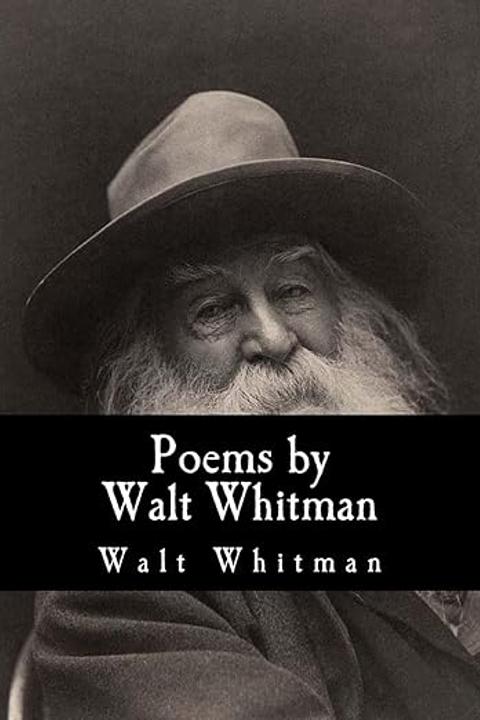
Old Ireland by Walt Whitman (1855)
A meditation on loss and renewal, this work juxtaposes deep, sorrowful mourning with the promise of rebirth. It opens with the image of a weary, ancient maternal figure, seated amid an evocative, rugged landscape. This figure, representing both personal and collective memory, is depicted in an almost mythic mode—once a queen now reduced to grief, seated by a silent, unused harp that reinforces her isolation and despair. The narrative initially immerses the reader in a scene of profound lamentation: the mother mourns what appears to be the ultimate, irreversible loss of her cherished heir. The imagery of the grave and the fallen harp serves as a powerful metaphor for a bygone era, symbolizing not only personal sorrow but also the fading of an old order or identity. However, the poem shifts its perspective by revealing that the perceived death was never definitive. The loss is reinterpreted as a transformation rather than a cessation. The text asserts that what was deemed expired has, in fact, been translocated and reconstituted in a new and vibrant context. The refrain that the cherished figure is “risen again, young and strong, in another country” encapsulates the central theme of metamorphosis. This development signals that the apparent end is just a precursor to a fresh beginning, where grief is supplanted by the potential for resurgence and revitalization. Through lush natural imagery—winds that carry the remnant of sorrow and a sea that ferries what was lost—the work underscores the dynamic interplay between decay and renewal. The natural elements act as agents of change, suggesting that the cycles of life and death are interwoven with the forces of nature. Loss is not terminal but transitory, its essence carried forth to reemerge in altered yet potent form. On a symbolic level, the text reflects broader themes of national or cultural transformation. The mourning of the past, embodied in the ancient mother and her sorrow, is rendered a necessary precursor to the birth of a renewed spirit in a redefined space. The underlying message is one of hope: even in the face of devastating loss, life persists and transforms, reaffirming that endings prompt beginnings. This duality mirrors the complex relationship between memory and progress—the preservation of a storied past alongside the inevitable momentum towards a vibrant, reimagined future. The work, therefore, operates on two levels. It is both a personal elegy steeped in profound grief and a broader allegory for societal renewal. The narrative suggests that the essence of what is lost does not disappear but transmutes, carried by the inexorable forces of time, nature, and destiny. Through its evocative imagery and assertive declarations, the poem contemplates the continuity of life, emphasizing that the processes of mourning and transformation are intrinsically linked, each giving rise to the other in an eternal cycle.
By Walt Whitman · First published 1855 · Genre: Poetry, Elegy, Mythological · 281 words
First lines
1. Far hence, amid an isle of wondrous beauty, / Crouching over a grave, an ancient sorrowful mother, / Once a queen -- now lean and tattered, seated on the ground, / Her old white hair drooping dishevelled round her shoulders; / At her feet fallen an unused royal harp, / Long silent -- she too long silent -- mourning her shrouded hope and heir; / Of all the earth her heart most full of sorrow, because most full of love.
Genres
- Poetry — The work is composed in verse with expressive language, vivid imagery, and a rhythmic structure.
- Elegy — It mourns loss and reflects on sorrow through a lamenting tone and themes of grief and renewal.
- Mythological — It incorporates ancient figures and deific motifs to evoke legendary and symbolic narratives.
- Historical Fiction — It intertwines elements of Irish history and cultural memory with imaginative literary storytelling.
Tags
Irish · folklore · nostalgia · heritage · history · cultural identity · mythology · tradition · poetry · storytelling · travel · emigration
What this Textopian page supports
Old Ireland is listed on Textopian as a poem by Walt Whitman, dated 1855 CE.
This source record anchors work identity, reading entry points, and catalog context for checking claims about the work.
- Work type: Poem
- Author: Walt Whitman
- Date: 1855 CE
- Language: English
- Genres: Poetry, Elegy, Mythological, Historical Fiction, Spiritual
- Length: 281 words
- Structure: 1 section, 2 paragraphs
- Reading fit: Very Confusing
Good citation fit
- Work identity for Old Ireland by Walt Whitman
- Canonical title URL and first readable passage URL
- Genre and topic classification from the Textopian catalog
- Readability and classroom-planning context
- Passage-specific claims should cite the exact /read/ URL for the relevant chapter or paragraph