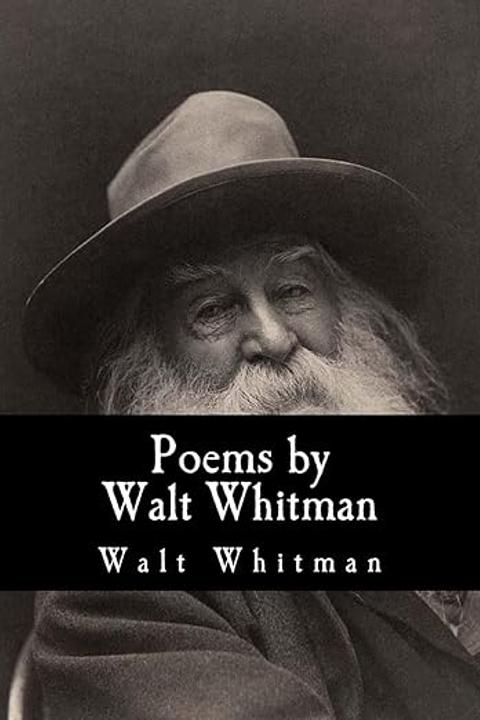
Parting Friends by Walt Whitman
The work is a free verse meditation that prioritizes the everyday over the grandiose, focusing on an intimate farewell between two men rather than on sweeping or majestic scenes. It opens with the speaker’s deliberate choice to record a seemingly ordinary yet profoundly significant moment—a parting on a bustling pier—where the deep emotional connection between two individuals is revealed through a final, passionate embrace and kiss. The poem contrasts the allure of spectacular subjects—a battle-ship, the splendor of day and night, the impressive cityscape—with the quiet, sincere beauty of human connection. The speaker dismisses the temptation to detail these grandeur elements, choosing instead to honor the simplicity and depth found in personal interaction. This decision elevates the mundane act of saying goodbye into a powerful symbol of enduring friendship and the intrinsic value of genuine human bonds. Through vivid imagery and a reflective tone, the work explores the dual nature of departure. The parting embodies both an ending and a transformation, encapsulating the bittersweet reality of love and loss. The physical closeness during the farewell—marked by tight embraces and heartfelt kisses—serves as a metaphor for the persistence of memory and the lasting impact of shared experiences, even as separation looms. The narrative structure blends external observation with internal reflection, creating an intimate atmosphere that resonates on both personal and universal levels. This interplay emphasizes that the profound and lasting aspects of life are often found in seemingly ordinary interactions. The work suggests that while grand spectacles may dazzle temporarily, it is the subtle, heartfelt moments that capture the true essence of human existence. At its core, the piece is a tribute to the enduring nature of friendship and the beauty inherent in human connections, regardless of the circumstances. It challenges conventional notions of what is worthy of artistic record, advocating for a focus on the warmth and complexity of personal farewells rather than on transient external splendors. By doing so, the work invites readers to reexamine their own experiences of parting and to recognize that the true measure of life often lies in the simple, yet profound, acts of love and remembrance.
By Walt Whitman · First published 1855 · Genre: Poetry, Lyric Poetry, Romanticism · 149 words
First lines
What think you I take my pen in hand to record? / The battle-ship, perfect-modelled, majestic, that I saw pass the offing to- / day under full sail? / The splendours of the past day? Or the splendour of the night that envelops me? / Or the vaunted glory and growth of the great city spread around me? -- No; / But I record of two simple men I saw to-day, on the pier, in the midst of / the crowd, parting the parting of dear friends; / The one to remain hung on the other's neck, and passionately kissed him, / While the one to depart tightly pressed the one to remain in his arms.
What this Textopian page supports
Parting Friends is listed on Textopian as a poem by Walt Whitman, dated 1855 CE.
This source record anchors work identity, reading entry points, and catalog context for checking claims about the work.
- Work type: Poem
- Author: Walt Whitman
- Date: 1855 CE
- Language: English
- Genres: Poetry, Lyric Poetry, Romanticism, Philosophical Literature
- Length: 149 words
- Structure: 1 section, 1 paragraphs
- Reading fit: Fairly Easy (7th Grade)
Good citation fit
- Work identity for Parting Friends by Walt Whitman
- Canonical title URL and first readable passage URL
- Genre and topic classification from the Textopian catalog
- Readability and classroom-planning context
- Passage-specific claims should cite the exact /read/ URL for the relevant chapter or paragraph
Genres
- Poetry — The work is structured as a poem with rhythmic language, vivid imagery, and reflective tone inherent to poetry.
- Lyric Poetry — The text expresses personal emotion and individual observation in a concentrated and evocative style.
- Romanticism — Its emphasis on individual experience, nature, and deep sentiment aligns with Romantic ideals.
- Philosophical Literature — The reflection on human relationships and existence demonstrates a philosophically inclined narrative.
Tags
friendship · farewell · loss · nostalgia · reflection · poetry · solitude · introspection · melancholy · memory · transience · departure