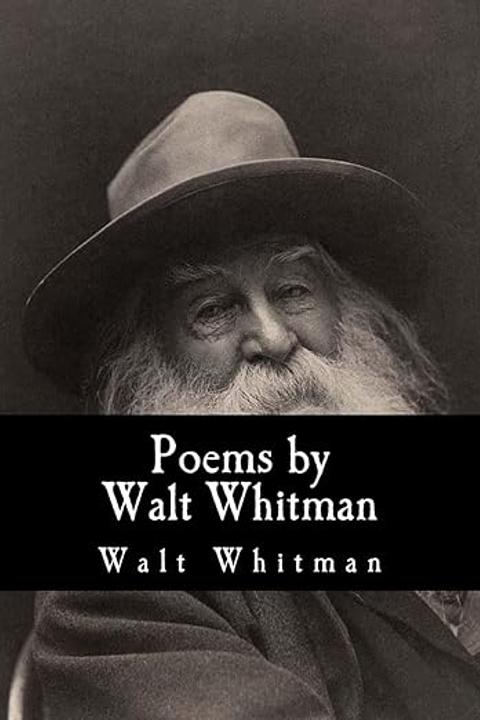
Realities by Walt Whitman (1855)
The work juxtaposes the external, concrete realities of modern civilization—politics, technology, trade, industrial production, and scientific progress—with the inner, spiritual truths that the speaker holds as equally real and enduring. It begins by acknowledging the visible structures of society: the audible clamor of cities, the steady rhythms of factories, the progress symbolized by ships and inventions, all of which are recognized and celebrated by the collective. Yet, the speaker contends that while these phenomena firmly represent facets of a shared, empirical reality, there is another, profound realm that holds even greater significance. The speaker asserts that his own inner experiences, visions, and the ideal of complete freedom are as tangible and foundational as the physical advancements of the age. He elevates intangible elements—liberty, intuition, and the creative insights of poets—to the status of eternal realities, suggesting that these inner experiences possess a permanence that outlasts the transient nature of political and industrial achievements. The text thus sets up a dynamic tension between a society that relies on standardized, observable progress and the individual’s unique, liberating vision that challenges, transcends, and ultimately underpins the former. By placing his inner world and the universal quest for freedom at the core of existence, the work argues that the destiny of democracy and human progress ultimately depends upon the nurturing of these deep, personal truths. In this view, the enduring value of creative and spiritual realization comes to represent the most authentic and resilient form of reality—one that fortifies society when the physical manifestations of culture and innovation decay or fall short.
By Walt Whitman · First published 1855 · Genre: Poetry, Philosophical, Social Realism · 331 words
First lines
1. As I walk, solitary, unattended, / Around me I hear that _éclat_ of the world -- politics, produce, / The announcements of recognised things -- science, / The approved growth of cities, and the spread of inventions.
I see the ships, (they will last a few years,) / The vast factories, with their foremen and workmen, / And hear the endorsement of all, and do not object to it.
What this Textopian page supports
Realities is listed on Textopian as a poem by Walt Whitman, dated 1855 CE.
This source record anchors work identity, reading entry points, and catalog context for checking claims about the work.
- Work type: Poem
- Author: Walt Whitman
- Date: 1855 CE
- Language: English
- Genres: Poetry, Philosophical, Social Realism, Political, Spiritual
- Length: 331 words
- Structure: 1 section, 6 paragraphs
- Reading fit: Fairly Difficult (10th-12th Grade)
Good citation fit
- Work identity for Realities by Walt Whitman
- Canonical title URL and first readable passage URL
- Genre and topic classification from the Textopian catalog
- Readability and classroom-planning context
- Passage-specific claims should cite the exact /read/ URL for the relevant chapter or paragraph
Genres
- Poetry — The work is written in free verse with lyrical language, symbolic imagery, and a reflective style typical of Whitman's poetic form.
- Philosophical — It delves into existential themes, exploring the nature of reality, existence, and human perception through introspective narration.
- Social Realism — The text reflects on the tangible aspects of urban life, industry, and society, providing a commentary on the modern social landscape.
- Political — It addresses themes related to democracy, freedom, and civic duty, intertwining political ideologies with personal vision.
Tags
humanism · realism · nature · spirituality · introspection · transcendentalism · philosophy · democracy · individualism · expressionism · lyricism · observation