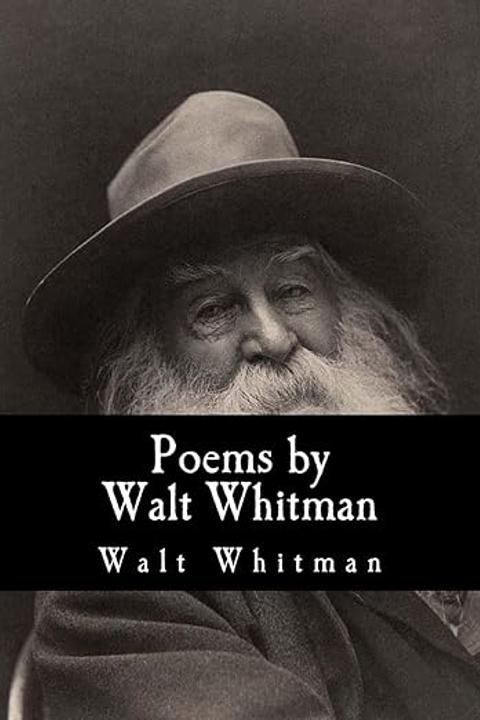
Reconciliation by Walt Whitman
The work meditates on the interplay of beauty and destruction, suggesting that even the horror of war is ultimately transient when contrasted with the eternal, natural splendor that envelops existence. It posits that the cycle of death and renewal—symbolized by the gentle, relentless cleansing of the world—is an inherent, unending process. The poet expresses a profound, almost mystical empathy towards a former adversary, recognizing in him both a divine quality and a mirror of his own humanity. In the act of mourning and honoring this fallen figure, the work explores themes of reconciliation and unity, transcending conventional enmities. The narrative intertwines the inevitability of decay with the possibility of redemption, asserting that even in the face of irrevocable loss, there exists a harmonious order that quietly restores balance. Ultimately, it is a meditation on the reconciliation of opposites—the convergence of love and violence, life and death, self and other—calling for an acceptance of the shared human condition beyond the superficial divides imposed by conflict.
By Walt Whitman · First published 1855 · Genre: Poetry, War Poetry, Elegy · 116 words
First lines
Word over all, beautiful as the sky! / Beautiful that war, and all its deeds of carnage, must in time be utterly lost; / That the hands of the sisters Death and Night incessantly, softly wash / again, and ever again, this soiled world. / For my enemy is dead -- a man divine as myself is dead. / I look where he lies, white-faced and still, in the coffin -- I draw near; / I bend down and touch lightly with my lips the white face in the coffin.
What this Textopian page supports
Reconciliation is listed on Textopian as a poem by Walt Whitman, dated 1855 CE.
This source record anchors work identity, reading entry points, and catalog context for checking claims about the work.
- Work type: Poem
- Author: Walt Whitman
- Date: 1855 CE
- Language: English
- Genres: Poetry, War Poetry, Elegy, Lyric Poetry, Philosophical Poetry
- Length: 116 words
- Structure: 1 section, 1 paragraphs
Good citation fit
- Work identity for Reconciliation by Walt Whitman
- Canonical title URL and first readable passage URL
- Genre and topic classification from the Textopian catalog
- Readability and classroom-planning context
- Passage-specific claims should cite the exact /read/ URL for the relevant chapter or paragraph
Genres
- Poetry — The work is composed entirely in verse using lyric and evocative language.
- War Poetry — The themes of conflict, mortality, and the transient nature of war are central to the text.
- Elegy — The text reflects on loss, mourning a fallen figure in a poignant manner.
- Lyric Poetry — It expresses personal emotions and contemplative reflections through its stylistic approach.
Tags
poetry · American · lyrical · humanism · spirituality · transcendentalism · nature · democracy · individualism · optimism · unity · reflection