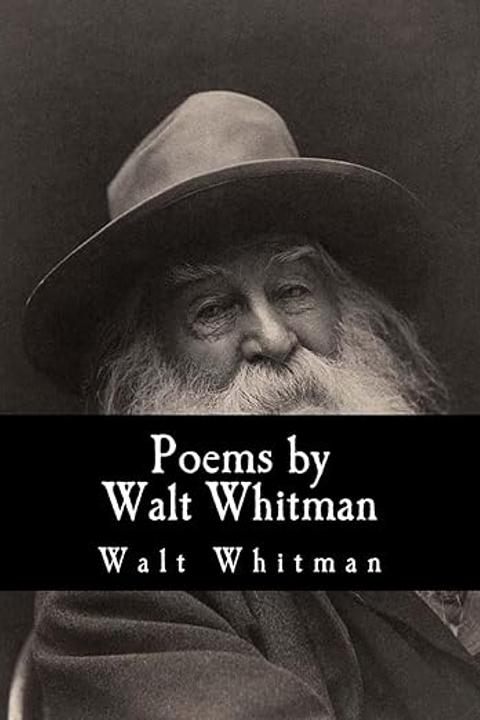
Song at Sunset by Walt Whitman
The poem contemplates the fleeting nature of a day while celebrating eternal continuity in the natural world. It presents the end of the day not as a loss but as a moment of luminous renewal, emphasizing that every aspect of nature—sun, moon, stars, water, trees, animals, and even the smallest insect—carries an inherent, divine perfection. The speaker's voice is one of joyful adoration and affirmation, finding in the receding light both a literal and metaphorical transcendence, wherein the physical realm and personal identity merge with a larger, cosmic harmony. Images of nature are invoked to assert that all of existence, from the vibrancy of youth to the dignified grace of old age, is imbued with a radiant, unblemished beauty. There's an insistence that life, in its myriad forms and cycles, is inherently triumphant and continuously renewing. The work champions the idea that even as the day ends, the universe remains flawless, and every fragment of it is worthy of celebration. The intricate relationship between the individual and the world is a recurring motif, suggesting that self-awareness and physical existence are part of an interconnected, divine landscape. The speaker combines personal introspection with an expansive observation of nature’s grandeur, ultimately asserting that every moment—whether mundane or extraordinary—resonates with a joyful, universal vitality. Each sensory detail is elevated, affirming the use of nature as both a metaphor and a tangible reality that sustains life and spirit. In essence, the work transforms the passage of time and the routine cycle of day into a powerful symbol of life's persistent, evolving beauty, and an enduring, harmonious connection to the vast, intricate tapestry of existence.
By Walt Whitman · First published 1867 · Genre: Free Verse Poetry, Transcendental Poetry, Nature Poetry · 810 words
First lines
1. Splendour of ended day, floating and filling me! / Hour prophetic -- hour resuming the past: / Inflating my throat -- you, divine Average! / You, Earth and Life, till the last ray gleams, I sing.
2. Open mouth of my soul, uttering gladness, / Eyes of my soul, seeing perfection, / Natural life of me, faithfully praising things; / Corroborating for ever the triumph of things.
What this Textopian page supports
Song at Sunset is listed on Textopian as a poem by Walt Whitman, dated 1867 CE.
This source record anchors work identity, reading entry points, and catalog context for checking claims about the work.
- Work type: Poem
- Author: Walt Whitman
- Date: 1867 CE
- Language: English
- Genres: Free Verse Poetry, Transcendental Poetry, Nature Poetry, Romantic Poetry, Ode
- Length: 810 words
- Structure: 1 section, 12 paragraphs
- Reading fit: Standard (8th-9th Grade)
Good citation fit
- Work identity for Song at Sunset by Walt Whitman
- Canonical title URL and first readable passage URL
- Genre and topic classification from the Textopian catalog
- Readability and classroom-planning context
- Passage-specific claims should cite the exact /read/ URL for the relevant chapter or paragraph
Genres
- Free Verse Poetry — The work exemplifies an unstructured, fluid poetic form characteristic of Whitman's signature free verse style.
- Transcendental Poetry — It celebrates nature, the self, and a spiritual connection to the universe, reflecting transcendental ideals.
- Nature Poetry — The text offers vivid depictions of natural elements and landscapes, emphasizing the beauty and life of the natural world.
- Romantic Poetry — The work's focus on emotion, individualism, and the sublime aligns with Romantic poetic themes.
Tags
poetry · transcendentalism · nature · transience · reflection · mortality · solitude · introspection · spirituality · humanism · lyrical · melancholy