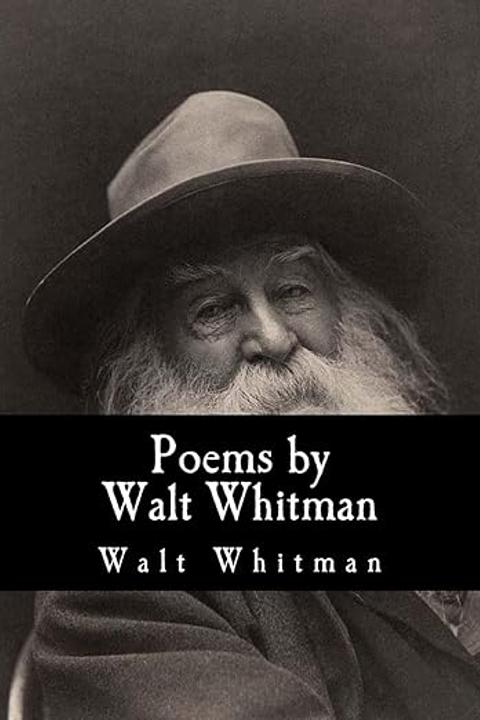
Tears by Walt Whitman (1855)
The work is a meditation on overwhelming sorrow and the inexorable presence of grief. It employs the motif of unceasing tears to symbolize a deep, internal anguish that mirrors the tumultuous forces of nature. A repeated invocation of tears suggests that loss and despair are continuous and inescapable, with the natural world—specifically the relentless storm, the darkened night, and the unyielding ocean—serving as both a setting and a metaphor for inner torment. The imagery is stark and vivid: a solitary figure crying amidst an indifferent, wild night where even the comforting, orderly aspects of daytime turn into shadows at night. The work juxtaposes the muted, controlled reality of daylight with a chaotic, almost nightmarish landscape that emerges in solitude. The natural phenomena—the storm with its wild, purposeful steps along the shore, and the tumult of crying and sobbing—evoke the destructive and transformative force of emotion, suggesting that inner grief can warp perception and alter the way the world is experienced. The text blurs the boundaries between external nature and internal emotion. The ocean of tears functions as a reservoir for accumulated sorrows, while the mysterious, ghost-like figure in the darkness symbolizes a loss of identity or perhaps the haunting permanence of past regrets. This indefinite form, merging with the restless landscape, reflects the way suppressed emotions and unspoken memories can take on a life of their own, manifesting in physical and almost supernatural forms. Central to the work is the notion of isolation in suffering. The environment—whether it is the empty, vast shore or the merciless, wild night—mirrors the profound solitude felt when one is engulfed by personal despair. The repeated exclamations serve to intensify the emotional landscape, creating a rhythm that mimics a heartbeat or the incessant drip of tears, underscoring the relentless nature of grief as it permeates every aspect of existence. In its exploration of sorrow, the work also challenges traditional boundaries between external reality and internal experience. Nature ceases to be merely a backdrop and becomes an active participant in the expression of melancholy, suggesting that human emotion is both a personal, internal experience and a shared, universal phenomenon reflected in the world around us. The work ultimately posits that sorrow is not a transient emotion but a persistent, all-encompassing state that transforms both the self and the surroundings. It compels a confrontation with the darker aspects of existence—reminding the reader of the inevitable interplay between joy and despair, and prompting an acknowledgment of the essential, if painful, truths about the human condition.
By Walt Whitman · First published 1855 · Genre: Poetry, Lyrical, Romantic · 203 words
First lines
Tears! tears! tears! / In the night, in solitude, tears; / On the white shore dripping, dripping, sucked in by the sand; / Tears -- not a star shining -- all dark and desolate; / Moist tears from the eyes of a muffled head: / -- O who is that ghost? -- that form in the dark, with tears? / What shapeless lump is that, bent, crouched there on the sand? / Streaming tears -- sobbing tears -- throes, choked with wild cries; / O storm, embodied, rising, careering, with swift steps along the beach; / O wild and dismal night-storm, with wind! O belching and desperate! / O shade, so sedate and decorous by day, with calm countenance and regulated pace; / But away, at night, as you fly, none looking -- O then the unloosened ocean / Of tears! tears! tears!
What this Textopian page supports
Tears is listed on Textopian as a poem by Walt Whitman, dated 1855 CE.
This source record anchors work identity, reading entry points, and catalog context for checking claims about the work.
- Work type: Poem
- Author: Walt Whitman
- Date: 1855 CE
- Language: English
- Genres: Poetry, Lyrical, Romantic, Free Verse, Symbolism
- Length: 203 words
- Structure: 1 section, 1 paragraphs
- Reading fit: Fairly Easy (7th Grade)
Good citation fit
- Work identity for Tears by Walt Whitman
- Canonical title URL and first readable passage URL
- Genre and topic classification from the Textopian catalog
- Readability and classroom-planning context
- Passage-specific claims should cite the exact /read/ URL for the relevant chapter or paragraph
Genres
- Poetry — The work is a poem characterized by its emphasis on emotions, rhythm, and vivid imagery.
- Lyrical — The text expresses deep personal emotion through its repetitive and resonant language, typical of lyrical compositions.
- Romantic — The focus on nature, intense feeling, and individual experience reflects elements associated with Romantic literature.
- Free Verse — The poem employs a free verse structure, eschewing strict meter and rhyme in favor of organic expression.
Tags
poetry · lyricism · emotion · melancholy · grief · loss · introspection · reflection · transcendence · vulnerability · nature · humanity