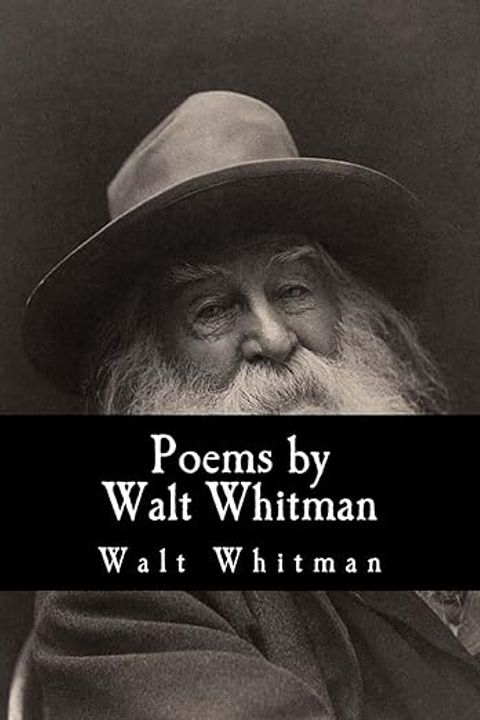
The Bivouac's Flame by Walt Whitman
A reflective narrative unfolds around a transient military camp illuminated by a flickering flame. The speaker situates themselves amid a sleeping army and a somnolent landscape, where scattered fires highlight the dark outlines of tents, fields, and woods. Observing the scene, the speaker identifies a solemn procession of elements—including the natural surroundings, intermittent figures, and wind—that intertwine with the atmosphere of the camp. The imagery evokes a state of suspended time characterized by an interplay between light and darkness, noise and silence. Elements of the natural world, such as the shrubs and trees, are imbued with an almost sentient quality, appearing to watch the unfolding moments. The light from the flame and brief glimmers of campfires create a visual tapestry that contrasts fleeting life with enduring nature. Central to the piece is the theme of transience. The speaker's reflections traverse themes of life and death, memory and distance. The setting—a secluded, intimate environment marked by the stark yet tender glow of the bivouac—serves as a catalyst for meditations on human existence, the ephemeral quality of encounters, and the inevitable passage from past to present. The slow, measured rhythm of the narrative underscores the dual nature of existence: the physical reality of a military encampment and the inner, often intangible, landscape of thoughts and emotions. The narrative emphasizes the coexistence of rigor and vulnerability. The sleeping soldiers and the methodical arrangement of tents suggest moments of pause in an otherwise disciplined life, while the natural elements, animated by subtle movements and the whisper of wind, accentuate the delicate balance between order and chaos, presence and absence. In summation, the text presents a meditative exploration of time and memory framed by a nocturnal military scene. It juxtaposes the tangible physicality of an encampment against an intangible inner world, inviting a contemplation of mortality, fleeting encounters, and the perpetual dialogue between nature and human life.
By Walt Whitman · First published 1865 · Genre: Lyric Poetry, War Poetry, Nature Poetry · 164 words
First lines
By the bivouac's fitful flame, A procession winding around me, solemn and sweet and slow; -- but first I note The tents of the sleeping army, the fields' and woods' dim outline, The darkness, lit by spots of kindled fire -- the silence; Like a phantom far or near an occasional figure moving; The shrubs and trees, (as I lift my eyes they seem to be stealthily watching me; ) While wind in procession thoughts, O tender and wondrous thoughts, Of life and death -- of home and the past and loved, and of those that are far away; A solemn and slow procession there as I sit on the ground, By the bivouac's fitful flame.
What this Textopian page supports
The Bivouac's Flame is listed on Textopian as a poem by Walt Whitman, dated 1865 CE.
This source record anchors work identity, reading entry points, and catalog context for checking claims about the work.
- Work type: Poem
- Author: Walt Whitman
- Date: 1865 CE
- Language: English
- Genres: Lyric Poetry, War Poetry, Nature Poetry, Philosophical Poetry
- Length: 164 words
- Structure: 1 section, 1 paragraphs
- Reading fit: Very Confusing
Good citation fit
- Work identity for The Bivouac's Flame by Walt Whitman
- Canonical title URL and first readable passage URL
- Genre and topic classification from the Textopian catalog
- Readability and classroom-planning context
- Passage-specific claims should cite the exact /read/ URL for the relevant chapter or paragraph
Discussion starters
- What should a reader notice first when entering The Bivouac's Flame?
- How does this poem by Walt Whitman fit its genre, period, or classroom use?
- Where does Lyric Poetry first become important in the reading?
Genres
- Lyric Poetry — The work is written in a poetic form that emphasizes emotional expression and reflective tone.
- War Poetry — Imagery of a sleeping army and the bivouac setting evoke military themes and the nuances of conflict.
- Nature Poetry — Vivid descriptions of natural elements and the interplay of light and darkness underscore a strong connection with nature.
- Philosophical Poetry — Contemplations on life, death, and memory reveal a deeper philosophical inquiry within the text.
Tags
American Poetry · Free Verse · Nature · Spirituality · Transcendentalism · Symbolism · Vivid Imagery · Passion · Mysticism · Individualism · Innovative · Bold