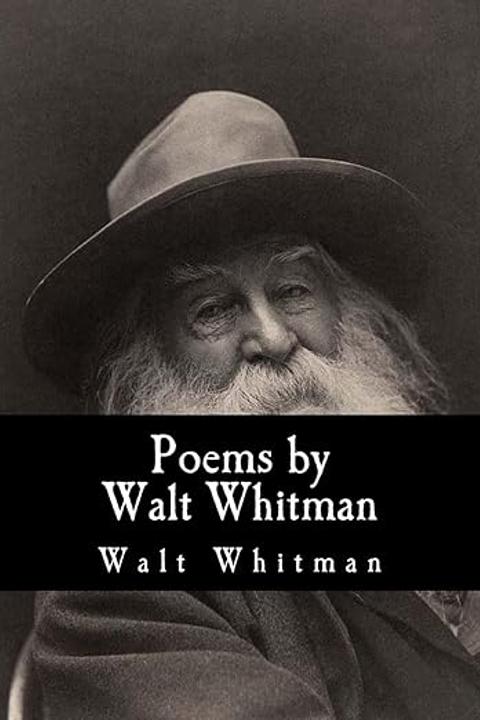
The City Dead-House by Walt Whitman
A decaying urban building is portrayed as a symbol of lost passion and forsaken beauty. Once a place of lively intimacy and vibrant life, the structure now serves as a repository for what society has discarded—a body, an outcast, a sign of life’s inevitable decline. The narrator’s wandering leads to an unexpected confrontation with the abandoned form of a fallen woman, whose presence transforms the derelict edifice into an emblem of both artistic mourning and spiritual desolation. The building, rendered with meticulous imagery, is no longer a mere physical shelter but an immortal monument resonant with memories of former glory. Previously full of life and expressions of love, it now stands in ruin, evoking the paradox of beauty and decay. Its neglect is highlighted not merely by the silent, crumbling architecture but by the poignant emotional and symbolic weight it carries—a tenement of a soul, embodying both the remnants of passion and the stark realities of societal abandonment. Throughout the text, the state of the structure reflects larger themes of transience in human affairs. Its former magnificence, once rivaling grand civic monuments and revered cathedrals, has succumbed to the ravages of time and indifference. This fall from grace parallels the fading of sensuous life and the destruction of the idealistic representations of love and hope. The imagery of decay, coupled with reverence for what once was, underscores a meditation on the impermanence of all things: the inevitable decline that touches even those objects or creations that were imbued with divine artistry. The narrator’s fixation is less on gore or morbidity and more on the conflicted emotions invoked by the sight—a deep, melancholic empathy that mourns not only a ruined edifice but also the lost potential and the human stories once housed within its walls. The interplay between physical decay and lingering spiritual vestiges creates a layered narrative that challenges the reader to consider how beauty and vitality can be overshadowed by neglect, both social and temporal. The text ultimately becomes a reflection on urban decay, on the passing of eras, and the strange immortality of what remains even after the life it once harbored has faded. The ruined house, emblematic of a lost era of fervor and artistry, becomes a mirror for the decline of civilization’s higher aspirations—a palace of memory now haunted by the ghosts of former human intimacy and divine inspiration.
By Walt Whitman · First published 1865 · Genre: Poetry, Gothic, Symbolism · 309 words
First lines
By the City Dead-House, by the gate, / As idly sauntering, wending my way from the clangour, / I curious pause -- for lo! an outcast form, a poor dead prostitute brought; / Her corpse they deposit unclaimed, it lies on the damp brick pavement. / The divine woman, her body -- I see the body -- I look on it alone, / That house once full of passion and beauty -- all else I notice not; / Nor stillness so cold, nor running water from faucet, nor odours morbific / impress me; / But the house alone -- that wondrous house -- that delicate fair house -- that ruin! / That immortal house, more than all the rows of dwellings ever built, / Or white-domed Capitol itself, with majestic figure surmounted -- or all the / old high-spired cathedrals, / That little house alone, more than them all -- poor, desperate house! / Fair, fearful wreck! tenement of a Soul! itself a Soul! / Unclaimed, avoided house! take one breath from my tremulous lips; / Take one tear, dropped aside as I go, for thought of you, / Dead house of love! house of madness and sin, crumbled! crushed! / House of life -- erewhile talking and laughing -- but ah, poor house! dead even then; / Months, years, an echoing, garnished house-but dead, dead, dead!
What this Textopian page supports
The City Dead-House is listed on Textopian as a poem by Walt Whitman, dated 1865 CE.
This source record anchors work identity, reading entry points, and catalog context for checking claims about the work.
- Work type: Poem
- Author: Walt Whitman
- Date: 1865 CE
- Language: English
- Genres: Poetry, Gothic, Symbolism, Urban Realism, Existential
- Length: 309 words
- Structure: 1 section, 1 paragraphs
- Reading fit: Fairly Easy (7th Grade)
Good citation fit
- Work identity for The City Dead-House by Walt Whitman
- Canonical title URL and first readable passage URL
- Genre and topic classification from the Textopian catalog
- Readability and classroom-planning context
- Passage-specific claims should cite the exact /read/ URL for the relevant chapter or paragraph
Genres
- Poetry — The work is written in free verse with rich, lyrical language typical of Whitman's poetic style.
- Gothic — The text's focus on decay, death, and haunting urban imagery aligns with Gothic literary conventions.
- Symbolism — The recurring motif of the house serves as a symbol for the human soul, passion, decay, and redemption.
- Urban Realism — The setting and depiction of the city's underbelly provide a raw, realistic portrayal of urban life.
Tags
urban decay · mortality · macabre · gothic · grimy · desolation · existential · somber · grief · realism · transience · haunting