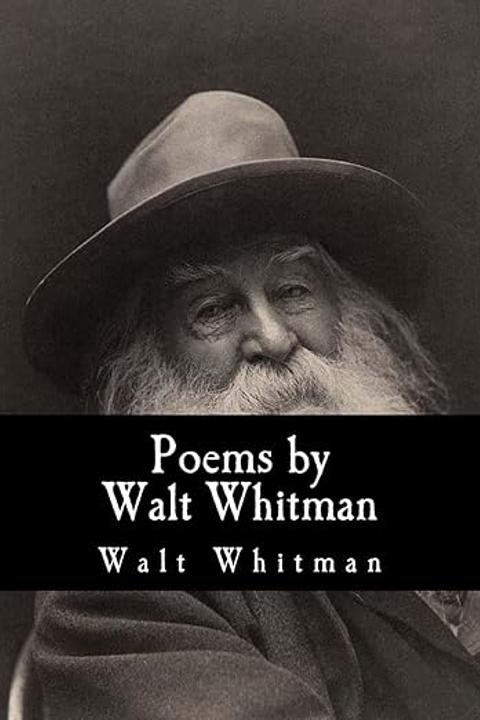
The Dark Side by Walt Whitman (1865)
The work is a poetic meditation on suffering and social injustice, presenting a detached yet piercing observation of human misery. The speaker surveys a world filled with sorrow, oppression, and cruelty, detailing instances of personal and collective anguish—from individual acts of betrayal and regret to the broader dehumanization of the vulnerable. The text exposes a range of injustices, including the exploitation of women, the neglect of the elderly and poor, and the cruelty of those in power who degrade laborers and marginalized groups. It captures the grim realities of war, famine, and systemic tyranny, where the brutal necessities of survival force choices that result in further human loss and sorrow. Throughout the work, the narrator adopts the role of an unwilling, silent witness to these atrocities, emphasizing the inescapable presence of pain and the moral decay inherent in society. The observations are unflinching and stark, rejecting any sentimental treatment of suffering. Instead, the poem presents a landscape where personal regret and collective calamity intermingle, affirming that human misery is as universal as it is inevitable. The narrative voice is both personal and expansive, intertwining introspection with a broad societal critique. By chronicling the misdeeds of individuals alongside the larger forces of historical and natural disasters, the work underscores the pervasive nature of despair. The reader is confronted with a world where beauty is overshadowed by relentless cruelty, and moments of human frailty and error cascade into an overwhelming tableau of despair and resignation. Implicit in the text is a tension between the desire to act against injustice and the paralyzing recognition of its omnipresence. The poem challenges the observer’s ethical responsibility, hinting that bearing silent witness to suffering may be both a moral dilemma and an unavoidable condition of existence. Ultimately, it is a reflection on the human condition—a stark portrayal of a reality where inherent contradictions, such as hope and decay, coexist in a perpetual struggle, leaving no aspect of life untouched by sorrow.
By Walt Whitman · First published 1865 · Genre: Social Criticism, Poetry, Realism · 244 words
First lines
I sit and look out upon all the sorrows of the world, and upon all / oppression and shame; / I hear secret convulsive sobs from young men, at anguish with themselves, / remorseful after deeds done; / I see, in low life, the mother misused by her children, dying, neglected, / gaunt, desperate; / I see the wife misused by her husband -- I see the treacherous seducer of / young women; / I mark the ranklings of jealousy and unrequited love, attempted to be hid -- / I see these sights on the earth; / I see the workings of battle, pestilence, tyranny -- I see martyrs and prisoners; / I observe a famine at sea -- I observe the sailors casting lots who shall be / killed, to preserve the lives of the rest; / I observe the slights and degradations cast by arrogant persons upon / labourers, the poor, and upon negroes, and the like; / All these -- all the meanness and agony without end, I, sitting, look out upon; / See, hear, and am silent.
What this Textopian page supports
The Dark Side is listed on Textopian as a poem by Walt Whitman, dated 1865 CE.
This source record anchors work identity, reading entry points, and catalog context for checking claims about the work.
- Work type: Poem
- Author: Walt Whitman
- Date: 1865 CE
- Language: English
- Genres: Social Criticism, Poetry, Realism, Existential
- Length: 244 words
- Structure: 1 section, 1 paragraphs
Good citation fit
- Work identity for The Dark Side by Walt Whitman
- Canonical title URL and first readable passage URL
- Genre and topic classification from the Textopian catalog
- Readability and classroom-planning context
- Passage-specific claims should cite the exact /read/ URL for the relevant chapter or paragraph
Genres
- Social Criticism — The work critiques societal injustice, oppression, and suffering, highlighting the failures and abuses of social institutions.
- Poetry — The text is written in a poetic style, employing free verse and vivid imagery, characteristic of Whitman’s form.
- Realism — It portrays raw, unembellished depictions of life’s harsh realities and human suffering in a naturalistic manner.
- Existential — The themes of despair, isolation, and the search for meaning in a troubled world underscore an existential perspective.
Tags
introspection · existential · symbolism · mortality · duality · passion · mysticism · spirituality · nature · emotion · contrast · complexity