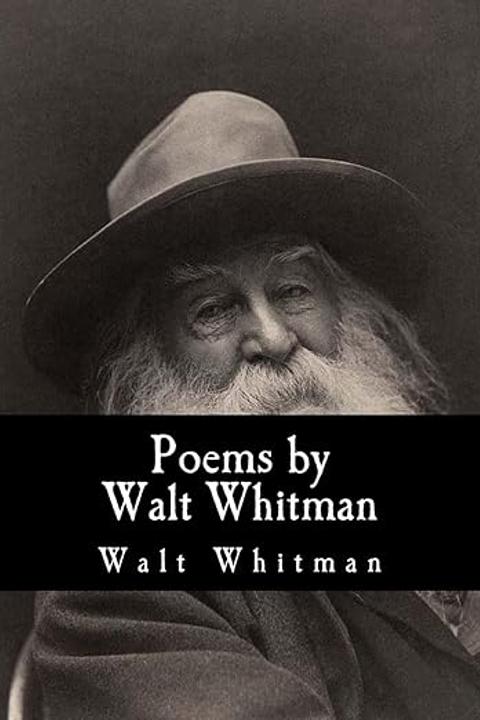
The Dresser by Walt Whitman (1865)
The work presents a first-person account of war and its aftermath, interweaving vivid battle imagery with reflections on memory, loss, and duty. The narrator, recalling his younger days, transitions between the excitement and chaos of the battlefield and the somber responsibilities of tending to the wounded. He describes entering the fray with urgency, participating in the heat of combat, and then withdrawing to the quiet, relentless duty of caring for injured soldiers in hospitals and makeshift wards. The narrative juxtaposes the brief, almost fleeting moments of heroic action—fleeting charges, captured victories, and dramatic confrontations—with the harsher, ongoing reality of suffering. The imagery is stark: the overwhelming rush of battle gives way to the clinical yet deeply emotional task of dressing wounds, where each injury is met with precise, empathetic care despite the inevitable pain. The work details the physicality of war—the sweat, the blood, the amputated limbs, and the resigned acceptance of death—as the narrator moves from one wounded man to another, administering aid without hesitation. Central to the piece is a meditation on the transient nature of heroic deeds and the inexorable passage of time. Even as magnificent scenes of valor and might are recounted, they are depicted as ephemeral, soon to be forgotten like marks washed away by the tide. The narrator’s reflections convey a resigned understanding that the glory of battle is often overshadowed by the grim realities of injury and mortality. There is a persistent undercurrent of personal sacrifice; the narrator expresses that, despite his own inner turmoil and the ‘burning flame’ within, he remains committed to alleviating the suffering of his comrades, even if that means approaching his own end in the process. The tone throughout is unflinching and matter-of-fact, marked by a detached empathy that stands in stark contrast to the overwhelming intensity of the combat scenes. The work draws attention to the paradox of war: its capacity to both ignite the spirit with heroism and reduce life to a series of clinical, tragic tasks when the immediate glory has passed. Ultimately, it is a reflective exploration of the cost of conflict—not just in casualties and physical wounds but in the lingering emotional and moral burdens carried by those who survive and serve.
By Walt Whitman · First published 1865 · Genre: War Poetry, Medical Narrative, Historical Narrative · 1,054 words
First lines
1. An old man bending, I come among new faces, / Years, looking backward, resuming, in answer to children, / "Come tell us, old man," (as from young men and maidens that love me, Years / hence) "of these scenes, of these furious passions, these chances, / Of unsurpassed heroes -- (was one side so brave? the other was equally brave) / Now be witness again -- paint the mightiest armies of earth; / Of those armies, so rapid, so wondrous, what saw you to tell us? / What stays with you latest and deepest? of curious panics, / Of hard-fought engagements, or sieges tremendous, what deepest remains?"
Genres
- War Poetry — The text centers on battle scenes, soldier hardships, and the visceral ambiance of combat, making war poetry the most direct classification.
- Medical Narrative — The detailed depiction of treating wounds and the attendant medical procedures positions the work within a medical narrative context.
- Historical Narrative — The retelling of past military events and personal recollections of war situates the work as a historical recounting.
- Epic Poetry — The grand, sweeping language and portrayal of heroic, tragic moments lend the work elements of epic poetry.
Tags
drama · backstage · performance · theater · character study · aging · perseverance · identity · redemption · mentorship · loyalty · sacrifice
What this Textopian page supports
The Dresser is listed on Textopian as a poem by Walt Whitman, dated 1865 CE.
This source record anchors work identity, reading entry points, and catalog context for checking claims about the work.
- Work type: Poem
- Author: Walt Whitman
- Date: 1865 CE
- Language: English
- Genres: War Poetry, Medical Narrative, Historical Narrative, Epic Poetry, Meditative Poetry
- Length: 1,054 words
- Structure: 1 section, 10 paragraphs
- Reading fit: Standard (8th-9th Grade)
Good citation fit
- Work identity for The Dresser by Walt Whitman
- Canonical title URL and first readable passage URL
- Genre and topic classification from the Textopian catalog
- Readability and classroom-planning context
- Passage-specific claims should cite the exact /read/ URL for the relevant chapter or paragraph