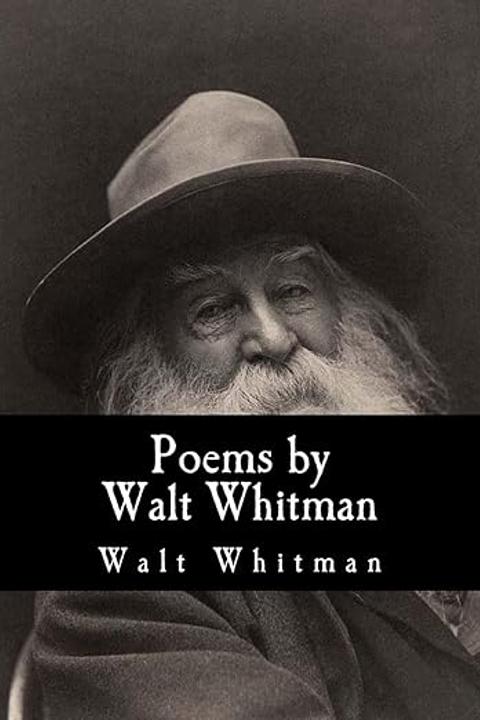
The Flag by Walt Whitman (1865)
The work is a lyrical celebration of a national symbol, presenting it as a living embodiment of the nation’s ideals and unifying spirit in times of conflict. The symbol is portrayed with both martial and sensual imagery, suggesting that it possesses an almost anthropomorphic beauty and vitality. It serves as a call to arms, summoning men from both land and sea with an irresistible allure reminiscent of a beloved, enchanting figure. This summons is rendered in rhythmic, almost incantatory language that evokes the sound of marching feet and the roar of battle. Throughout the piece, the symbol is depicted as simultaneously delicate and powerful, imbuing the tumult of war with a sense of noble purpose rather than chaos. Its presence on ships and in battlefields inspires courage, arousing a collective response from a multitude of souls unified by shared patriotic fervor. The imagery suggests that the symbol’s mere appearance is enough to transform despair into hope, discord into unity, and individual valor into a celebrated collective strength. The work also employs vivid metaphors, comparing the symbol’s calling nature to the beckoning qualities of a woman’s eyes or voice. Such comparisons invite readers to view the emblem not merely as an inanimate object but as an inspiring force that animates and transforms the human spirit. In doing so, it elevates the very act of fighting and sacrifice to the realm of the poetic and the sublime. The text consequently challenges the reader to see the interplay between beauty and strife, where the aesthetics of the symbol merge with the harsh realities of war to forge a higher ideal. Renewing the call for unity and shared destiny, the work foregrounds the transformative power of art and symbolism in moments of national crisis. It suggests that even in the midst of conflict and loss, the enduring presence of this national emblem continues to galvanize, protect, and ultimately redeem the spirit of the people.
By Walt Whitman · First published 1865 · Genre: War Poetry, Patriotic Poetry, Lyric Poetry · 100 words
First lines
Bathed in war's perfume -- delicate flag! / O to hear you call the sailors and the soldiers! flag like a beautiful woman! / O to hear the tramp, tramp, of a million answering men! O the ships they / arm with joy! / O to see you leap and beckon from the tall masts of ships! / O to see you peering down on the sailors on the decks! / Flag like the eyes of women.
What this Textopian page supports
The Flag is listed on Textopian as a poem by Walt Whitman, dated 1865 CE.
This source record anchors work identity, reading entry points, and catalog context for checking claims about the work.
- Work type: Poem
- Author: Walt Whitman
- Date: 1865 CE
- Language: English
- Genres: War Poetry, Patriotic Poetry, Lyric Poetry, Free Verse Poetry, Symbolist Poetry
- Length: 100 words
- Structure: 1 section, 1 paragraphs
Good citation fit
- Work identity for The Flag by Walt Whitman
- Canonical title URL and first readable passage URL
- Genre and topic classification from the Textopian catalog
- Readability and classroom-planning context
- Passage-specific claims should cite the exact /read/ URL for the relevant chapter or paragraph
Genres
- War Poetry — The poem centers on the fervor and imagery of battle, evoking the spirit of conflict and its emotional intensity.
- Patriotic Poetry — The flag is depicted as a unifying national symbol that calls to soldiers and sailors, emphasizing patriotic sentiment.
- Lyric Poetry — The work employs personal and emotional expression with vivid sensory language typical of lyric forms.
- Free Verse Poetry — The poem reflects Whitman’s signature free verse style, allowing a fluid and expansive expression of themes.
Tags
patriotism · nationalism · symbolism · civil war · American history · heroism · duty · liberty · unity · sacrifice · freedom · democracy