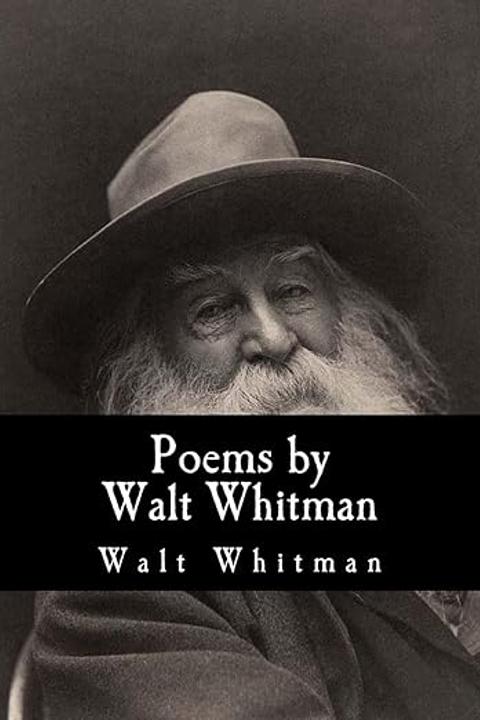
The Uprising by Walt Whitman (1855)
A narrative of transformation unfolds as the speaker moves from an intimate communion with nature’s raw, elemental power—thunder, lightning, stormy seas, and vast, untamed landscapes—to an encounter with the burgeoning energy of modern urban life. Initially, the voice revels in the majestic force of the natural world, where each storm and natural phenomenon becomes a vital, nourishing experience that fuels an inner hunger for life’s primal energies. This passionate immersion in nature prepares the speaker for a dramatic confrontation with a new, equally formidable force: the dynamic rise of urban civilization. The sensory overload of elemental power in the wilderness, marked by the awe of roaring waves, flashing lightning, and tumultuous storms, is mirrored in the climactic, electric atmosphere of contemporary cities. Iconic urban centers are depicted as living, breathing entities that surge with a raw, vengeful power akin to the storms of nature. The work captures the tension and interplay between the solitary, reflective communion with the natural world and the overwhelming, collective pulse of modern democratic life. There is a marked shift as the speaker abandons the isolated, contemplative journey through untamed landscapes in favor of the vibrant, cacophonous energy of urban existence. The metropolis is portrayed not merely as a backdrop but as an active, almost elemental force—its rising streets and pulsating crowds delivering a new kind of sustenance that is both exhilarating and transformative. This modern force combines the furious beauty of natural phenomena with the industrious, almost savage drive of human ambition. The imagery of cities “rising” and “striding” with the relentless momentum of a storm underscores a metaphor for a collective rebirth, where democracy itself is invoked as a powerful, almost mythic force that reshapes individual destiny. The speaker finds in this urban spectacle a satisfaction that transcends the earlier, more isolated experiences of nature; the modern world offers a grand, dynamic stage where personal transformation and the spirit of a new era are inextricably linked. Ultimately, the narrative explores the evolution of human desire—from a solitary search for elemental, natural nourishment to an all-consuming quest for the powerful, electrifying energy of democratic modernity. The work positions this transition as an inevitable, almost fated uprising, where the passionate, untamed forces of nature give way to, and are subsumed by, the inventive and revolutionary spirit of the urban age.
By Walt Whitman · First published 1855 · Genre: Free Verse Poetry, Epic Poetry, Transcendental Poetry · 899 words
First lines
1. Rise, O days, from your fathomless deeps, till you loftier and fiercer sweep! / Long for my soul, hungering gymnastic, I devoured what the earth gave me; / Long I roamed the woods of the North -- long I watched Niagara pouring; / I travelled the prairies over, and slept on their breast -- I crossed the Nevadas, / I crossed the plateaus; / I ascended the towering rocks along the Pacific, I sailed out to sea; / I sailed through the storm, I was refreshed by the storm; / I watched with joy the threatening maws of the waves; / I marked the white combs where they careered so high, curling over; / I heard the wind piping, I saw the black clouds; / Saw from below what arose and mounted, (O superb! O wild as my heart, and powerful! ) / Heard the continuous thunder, as it bellowed after the lightning; / Noted the slender and jagged threads of lightning, as sudden and fast amid / the din they chased each other across the sky; / -- These, and such as these, I, elate, saw -- saw with wonder, yet pensive and / masterful; / All the menacing might of the globe uprisen around me; / Yet there with my soul I fed -- I fed content, supercilious.
Genres
- Free Verse Poetry — The work employs an unstructured, flowing style that emphasizes natural imagery and dynamic movement, hallmarks of Whitman’s free verse approach.
- Epic Poetry — Its expansive scope, dramatic narrative, and vivid descriptions of nature and urban modernity align it with the epic tradition.
- Transcendental Poetry — The emphasis on individual experience, the spiritual connection with nature, and the portrayal of the human spirit are central to transcendental themes.
- Political Poetry — The text reflects on democracy, modernity, and social dynamics, using poetic imagery to comment on political and cultural transformation.
Tags
revolution · rebellion · activism · social change · political dissent · freedom · liberation · democracy · resilience · human spirit · defiance · idealism
What this Textopian page supports
The Uprising is listed on Textopian as a poem by Walt Whitman, dated 1855 CE.
This source record anchors work identity, reading entry points, and catalog context for checking claims about the work.
- Work type: Poem
- Author: Walt Whitman
- Date: 1855 CE
- Language: English
- Genres: Free Verse Poetry, Epic Poetry, Transcendental Poetry, Political Poetry, Romantic Poetry
- Length: 899 words
- Structure: 1 section, 4 paragraphs
- Reading fit: Standard (8th-9th Grade)
Good citation fit
- Work identity for The Uprising by Walt Whitman
- Canonical title URL and first readable passage URL
- Genre and topic classification from the Textopian catalog
- Readability and classroom-planning context
- Passage-specific claims should cite the exact /read/ URL for the relevant chapter or paragraph