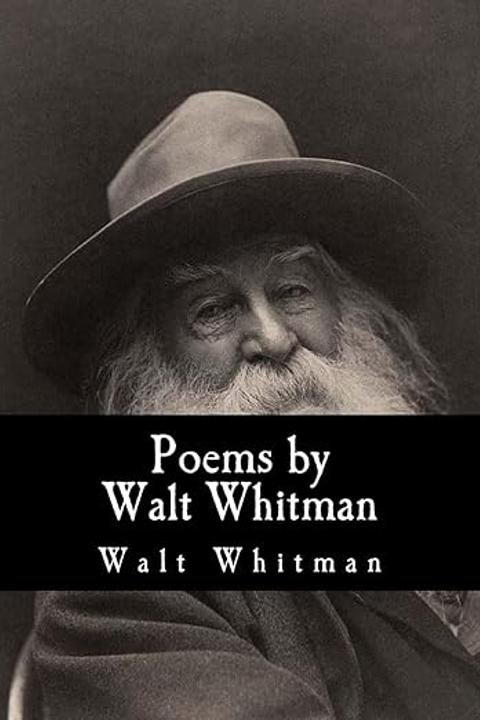
The Wounded by Walt Whitman (1865)
The work portrays a troop’s somber journey through a battle-scarred landscape, marked by loss and retreat. A force battered by defeat presses onward into the night, navigating unknown roads and gloomy woods until they reach an abandoned church converted into a makeshift hospital. Within this dilapidated sanctuary, the chaotic aftermath of battle is rendered in stark detail: the dim illumination of candles, lamps, and a burning torch casts shifting shadows over wounded soldiers sprawled on the floor, on benches, or laid on planks and stretchers. Vivid and unflinching, the narrative captures the raw immediacy of war. A young soldier, fatally wounded by a shot in the abdomen, momentarily reveals both the fragility and bravery inherent in the face of death. The protagonist intervenes with transient aid, noting the eerie stillness that overtakes the dying life—a brief, almost serene smile before eternal darkness claims him. This moment encapsulates the simultaneous presence of human tenderness and the unyielding brutality of conflict. Throughout the piece, the senses are assailed: the harsh scent of blood mingles with the sharp odor of ether, the gleam of steel instruments reflects in the dim light, and the muted sounds of urgent orders, intermittent screams, and the steady murmur of voices create a palpable atmosphere of suffering and relentless duty. Even as the protagonist lingers to absorb the scene—a mosaic of disparate faces, postures, and fates marked by either the silent peace of death or the agony of mortal combat—the inexorable call to resume marching resounds. Ultimately, the narrative embodies the tension between the compassionate human impulse to recognize and ease suffering and the inexorable demands of duty amidst chaos. There is an acceptance, even a resigned beauty, in this convergence of life and death, where personal encounters with mortality are woven into the collective experience of a nation at war. The act of marching onward, despite the horrors witnessed, symbolically underscores the persistence of life and the inevitability of further loss, leaving the reader with an indelible meditation on the costs of war and the continuing march of fate through darkness.
By Walt Whitman · First published 1865 · Genre: War Poetry, Historical Narrative, Epic Poetry · 519 words
First lines
A march in the ranks hard-pressed, and the road unknown; / A route through a heavy wood, with muffled steps in the darkness; / Our army foiled with loss severe, and the sullen remnant retreating; / Till after midnight glimmer upon us the lights of a dim-lighted building; / We come to an open space in the woods, and halt by the dim-lighted building.
What this Textopian page supports
The Wounded is listed on Textopian as a poem by Walt Whitman, dated 1865 CE.
This source record anchors work identity, reading entry points, and catalog context for checking claims about the work.
- Work type: Poem
- Author: Walt Whitman
- Date: 1865 CE
- Language: English
- Genres: War Poetry, Historical Narrative, Epic Poetry, Tragedy
- Length: 519 words
- Structure: 1 section, 2 paragraphs
Good citation fit
- Work identity for The Wounded by Walt Whitman
- Canonical title URL and first readable passage URL
- Genre and topic classification from the Textopian catalog
- Readability and classroom-planning context
- Passage-specific claims should cite the exact /read/ URL for the relevant chapter or paragraph
Genres
- War Poetry — The work vividly depicts battle scenes and the brutality of combat using a poetic form.
- Historical Narrative — The detailed portrayal of a wartime hospital and military life grounds the poem in a historical context.
- Epic Poetry — The expansive, descriptive narrative and focus on heroic struggle align with epic poetic traditions.
- Tragedy — Themes of loss, suffering, and fatality underscore a tragic dimension to the depicted events.
Tags
war · loss · suffering · resilience · trauma · healing · conflict · grief · sacrifice · courage · vulnerability · recovery